While North Carolina Democrats digest their stunning success on Election Day that gave the party control of the N.C. House and touching distance of taking over the N.C. Senate, supporters are wondering what the changes in the state legislature will mean in practice.
One of the issues top of mind for residents, and one that became a campaign issue in the bruising race between Sen. Michael Lee, R-New Hanover, and victorious Democratic challenger Jessica Bichler, was what the changes could mean for environmental enforcement − specifically when it comes to “forever chemicals.”
“We’re at the end of the river, that’s just geography, and we have some real nasty stuff in it,” NC Rep. Deb Butler said.
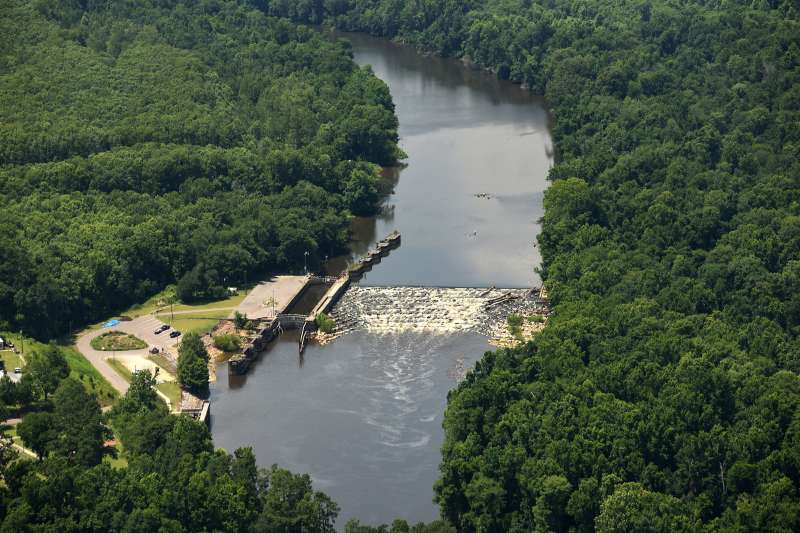
The Wilmington StarNews first broke the story in 2017 of the chemical discharges into the Cape Fear, which serves as the primary drinking water supply for nearly 500,000 people in Southeastern North Carolina, that couldn’t be filtered out by local utilities before the water reached homes and businesses. Since then, testing also has found extensive PFAS contamination in groundwater and the environment across the Cape Fear region.
Formally known as per-and poly-fluoroalkyl substances, PFAS are manmade substances used in a range of products from medical devices to nonstick cookware that don’t break down quickly − hence their name forever chemicals − and have been tied to a host of health problems, including several types of cancer, immune suppression issues and organ disruptions.
The GOP-dominated General Assembly has been seen by many as dragging its feet on going after Chemours and other PFAS polluters, in effect placing business interests ahead of the health of residents and the environment.
‘So far not done what’s necessary’
Republicans have disputed those claims, stating that there needs to be a balanced approach to fixing the problem. They also note that the 2026 budget, authored by the GOP, includes several provisions to help local utilities and funding to continue programs to help private well owners deal with polluted water and to research and remediate PFAS contamination at fire stations.
But environmental groups and grassroots organizations, especially those downstream of Chemours’ Fayetteville Works plant roughly 75 miles upstream of Wilmington, say federal and state officials have largely failed to hold the PFAS polluters’ feet to the fire and force them to take responsibility for the mess they’ve created. They’ve also failed to adopt strong rules that would reduce the contamination and potential future health risks associated with the continued release of forever chemicals into the environment.
“The status quo is not and has not been acceptable,” said Jean Zhuang, senior attorney with the Southern Environmental Law Center. “It’s clear our state legislature has so far not done what’s necessary to protect our communities.”
State Rep. Deb Butler said she expects there to be renewed focus on a host of issues, including the state’s environmental woes, once Democrats gain some of the levers of power in January 2027.
“People aren’t satisfied, and they showed that with their votes,” said the Wilmington Democrat who has served in the House for nearly a decade and is likely to have a leadership role in the new-look chamber.
‘Real nasty stuff in it’
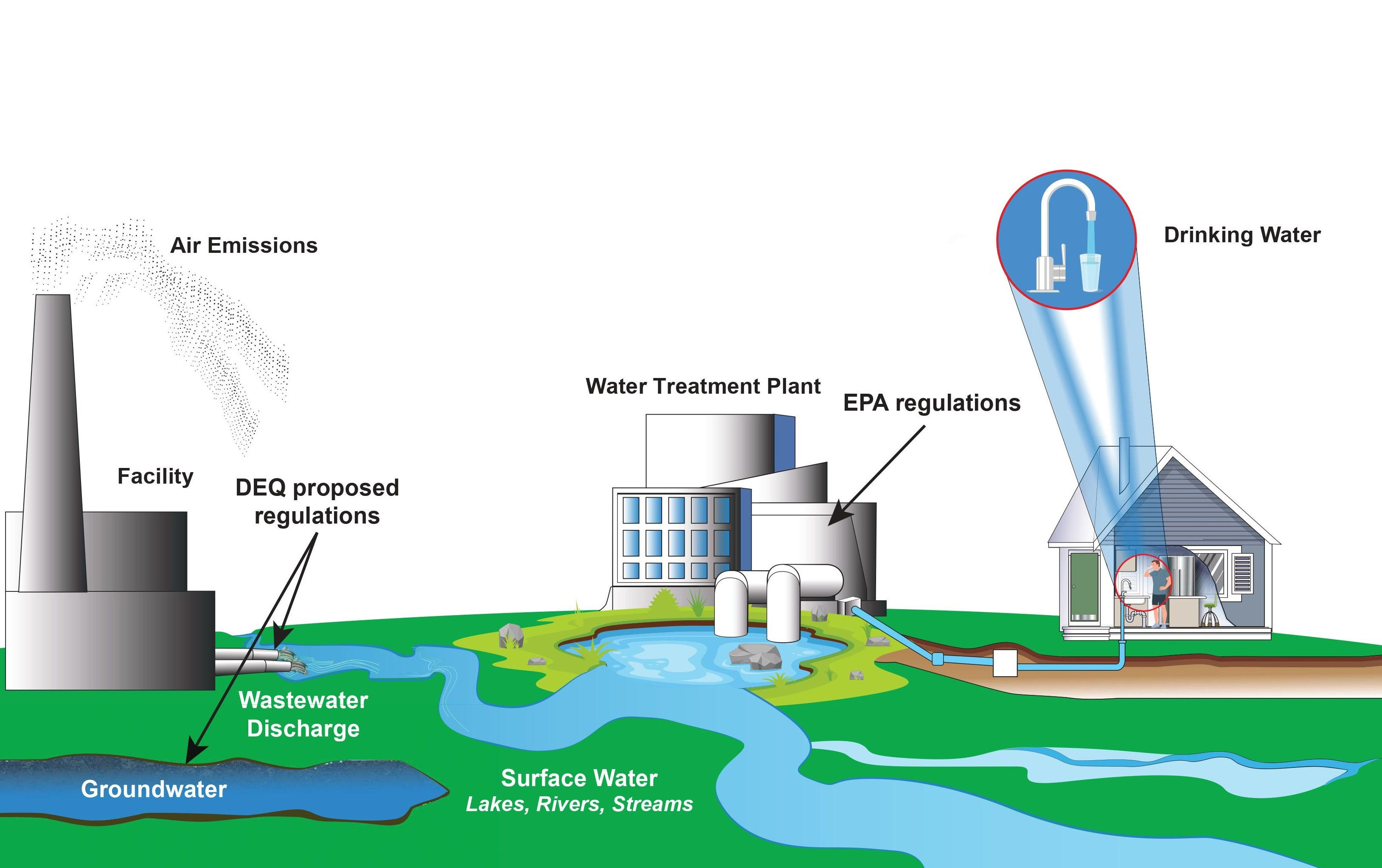
Steps Democrats in the N.C. House could take to strengthen PFAS enforcement include appointing new members to the state Environmental Management Commission, which has hobbled attempts by state regulators to adopt tougher water quality standards. Legislators also could pressure state officials to tighten discharge permits and requirements under existing rules for PFAS releases.
“Let’s keep this stuff out of the environment in the first place,” Butler said. “That just makes good common sense.”
In a press conference Wednesday, Nov. 4, Gov. Josh Stein, a Democrat, said he was excited about moving North Carolina forward after record voter turnout and was looking forward to working with leaders from both sides of the political aisle.
“Voters across North Carolina have made their voices heard, and together, we restored common sense to the General Assembly,” he said. “North Carolinians have sent a clear message: They want real action from their elected officials − leaders who are committed to serving them.
“I look forward to working on the issues that matter the most, from lowering the cost of living to keeping people safe and continuing to invest in the people who make North Carolina the best place to live, work, and raise a family.”
The Stein administration in early September 2026 announced a $600 million settlement with Chemours and DuPont over contamination tied to the decades-long production of forever chemicals at Fayetteville Works.
The legal fight to get the companies to pay for clean-up and mitigation efforts has dragged on for years, frustrating residents and local officials. State regulators have been more successful in stopping new discharges from Fayetteville Works by threatening to pull the facility’s permits if Chemours didn’t clean up its act, but even those actions haven’t moved quickly enough for many.
While the settlement represents a step in the right direction, environmental and clean water advocates have said there remains much work to be done to clean up the mess left behind by decades of unregulated dumping of manmade chemicals into North Carolina’s environment.
Advocates also say other lingering water quality woes, such as 1.4-dioxane getting discharged in the Piedmont and eventually reaching the Cape Fear River basin, remain to be tackled.
“We’re at the end of the river, that’s just geography, and we have some real nasty stuff in it,” Butler said.
Reporting by Gareth McGrath, USA TODAY NETWORK / Wilmington StarNews
USA TODAY Network via Reuters Connect