Economy
-
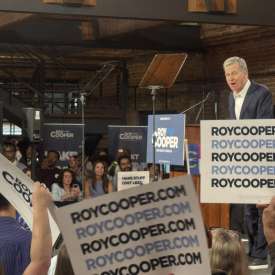
North Carolina’s 2026 election: Democrats’ big night keeps getting bigger
Democrats claimed big wins in the US Senate, US House, the courts, and won a majority in one chamber of the NC General Assembly.
-
SNAP: Trump’s tighter food assistance rules strain struggling North Carolinians
The effects of ‘One Big Beautiful Bill’ on SNAP and food insecurity ‘not even close’ to being fully felt in North Carolina.
-
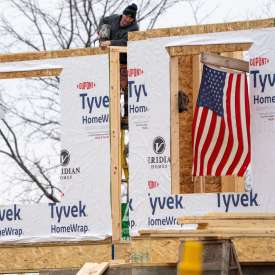
Here’s why toilet paper, lumber and other necessities may cost more in North Carolina
The key to the rising costs in certain North Carolina sectors is President Trump’s growing trade war with Canada.
-
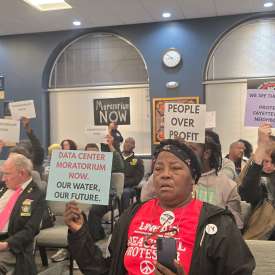
Fayetteville City Council approves data center rules amid heated meeting
Opponents say Fayetteville is moving too quickly and should focus on developing stronger protections through the moratorium process.
-
4 reasons North Carolina residents are pushing back on data centers
Read all the major concerns NC residents have about the development of data centers in the state.
-
It’s no longer the top crop, but tobacco still stars at the North Carolina State Fair
Although North Carolina remains the nation’s No. 1 tobacco producer, the leaf has fallen to the state’s third most valuable cash crop, behind corn and soybeans.
-
Opinion: Don’t be fooled by the tax amendments on your ballot, NC
The constitutional amendments on North Carolinians’ ballot on November 3 promise to lower taxes. They are really about a tax break for the wealthy — not for you, the author writes.
-
Raleigh could be forced to allow a new data center, despite moratorium
3 things happening in NC this week, including Raleigh’s data center headache, Charlotte’s jail problem, and Hart Square’s old-timey festival.
-
Will AI make workers obsolete? A new NC poll looks at what people think
Of those surveyed, 83% of adults in North Carolina expect AI to eliminate more jobs than it creates.
-
Federal hemp restrictions poised to upend North Carolina’ $3.2 billion industry
North Carolina hemp businesses are preparing for new federal rules in December that could force them to overhaul products, find new markets or close.