Good News Friday is Cardinal & Pine’s weekly roundup of positive news stories from around NC. We’re publishing this one a day early to give Cardinal & Pine’s team a well-deserved break. For past editions of Good News Friday, tap here.
Here’s what you’ll get in today’s edition:
- North Carolina voters delivered the highest midterm turnout since 1990
- Forest Service seed drop aims to repair Helene landslide damage in western NC
- Lumber River State Park just got bigger and prettier
Arguably, the blue wave that crashed over the country on Tuesday hit North Carolina the hardest (and I when I say arguably, I think Texans have a case to make).
Either way, the joyful feeling of victory has yet to recede among Democratic Party organizers, liberal voters, and anyone who felt they were being choked out by the stranglehold conservatives have had over the NC legislature and federal government.
Many of you have spent the past three days knee-deep in speculation, analysis, and celebratory memes. I’m not here to offer more of that; I will instead direct you to this impressively lengthy breakdown of North Carolina’s biggest wins that Billy Ball and Dylan Rhoney remarkably compiled while the votes were still rolling in.
While Cardinal & Pine will continue to bring you the latest news on close races, recounts, and the implications of Tuesday’s blue wave, I’d like to focus on the folks who made it all possible on this Good News Friday: the voters.
Record-high voter turnout drives blue wave in North Carolina
Disgusted by a meaningless war abroad that exacerbated an affordability crisis at home, unfazed by multiple attempts to suppress the vote statewide, North Carolina voters showed up for this year’s midterm election.
The 53.56% of registered voters across the state who cast a ballot in this year’s midterms is the highest percentage since 1990, when 61.8% of NC voters showed up to vote in a vitriolic US Senate race between Jesse Helms and Harvey B. Gantt.
Early voting drove the impressive total turnout in this year’s midterms, which provides context to the desperate attempts by right-wing organizers and lawmakers to limit polling places in the lead-up to the election.
Including mail-in ballots, more than 2.8 million people (36% of registered voters) cast their ballots early this year, shattering the record set for North Carolina midterms in 2022 when about 2 million votes were cast early, as reported by NC Newsline.
Black early voter turnout increased by 52% compared to 2022, according to the Southern Coalition for Social Justice, while Hispanic early turnout more than tripled (211% increase) and early turnout among Asian voters more than doubled (107% increase).
Forest Service seed drop aims to repair Helene landslide damage in western NC
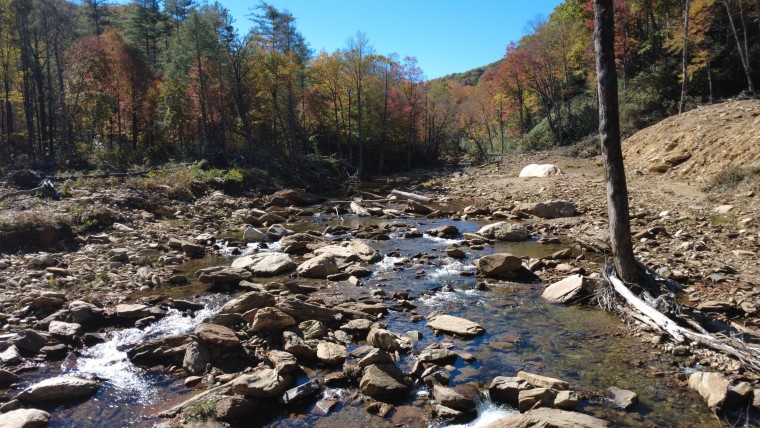
(Forest Service photo by Clayton Albrecht)
The US Forest Service (USFS) will soon begin dropping around 10 tons of native seed mix into the Pisgah National Forest from helicopters, according to a release published by the agency, to help repair landslide damage that remains two years after Hurricane Helene devastated the area.
Carried out in partnership with the National Forest Foundation, the seeding project is meant to inhibit invasive plant species, fight erosion, improve water quality, support aquatic species, and restore waterways, according to the release.
“Our efforts with this seed drop are designed to restore areas where Helene made unprecedented changes to the landscape, making a place for invasives to gain a foothold,” said Marietta Shattelroe, a USFS botanist based in North Carolina. “Over hundreds of acres of forest, we want to help native plants establish before non-native plant species invade. These native plants will help hold the soil in place, reducing the erosion that harms water quality.”
(National Park Service photo by JJ Prekop, Jr.)
Shattelroe helped formulate the two separate seed mixes that will be used—one designed for areas damaged by landslides and another to be dropped near river and stream banks.
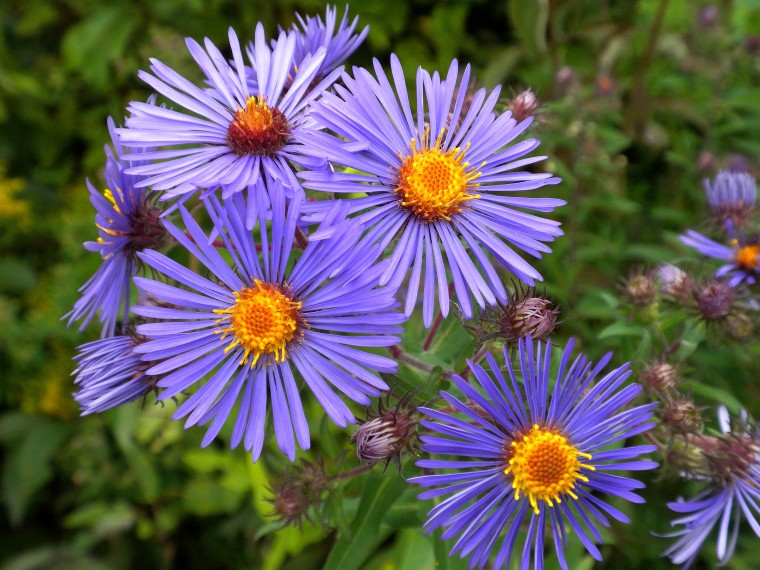
Together, the mixes comprise 29 species of trees, wildflowers, and native grasses.
Lumber River State Park just got bigger and prettier
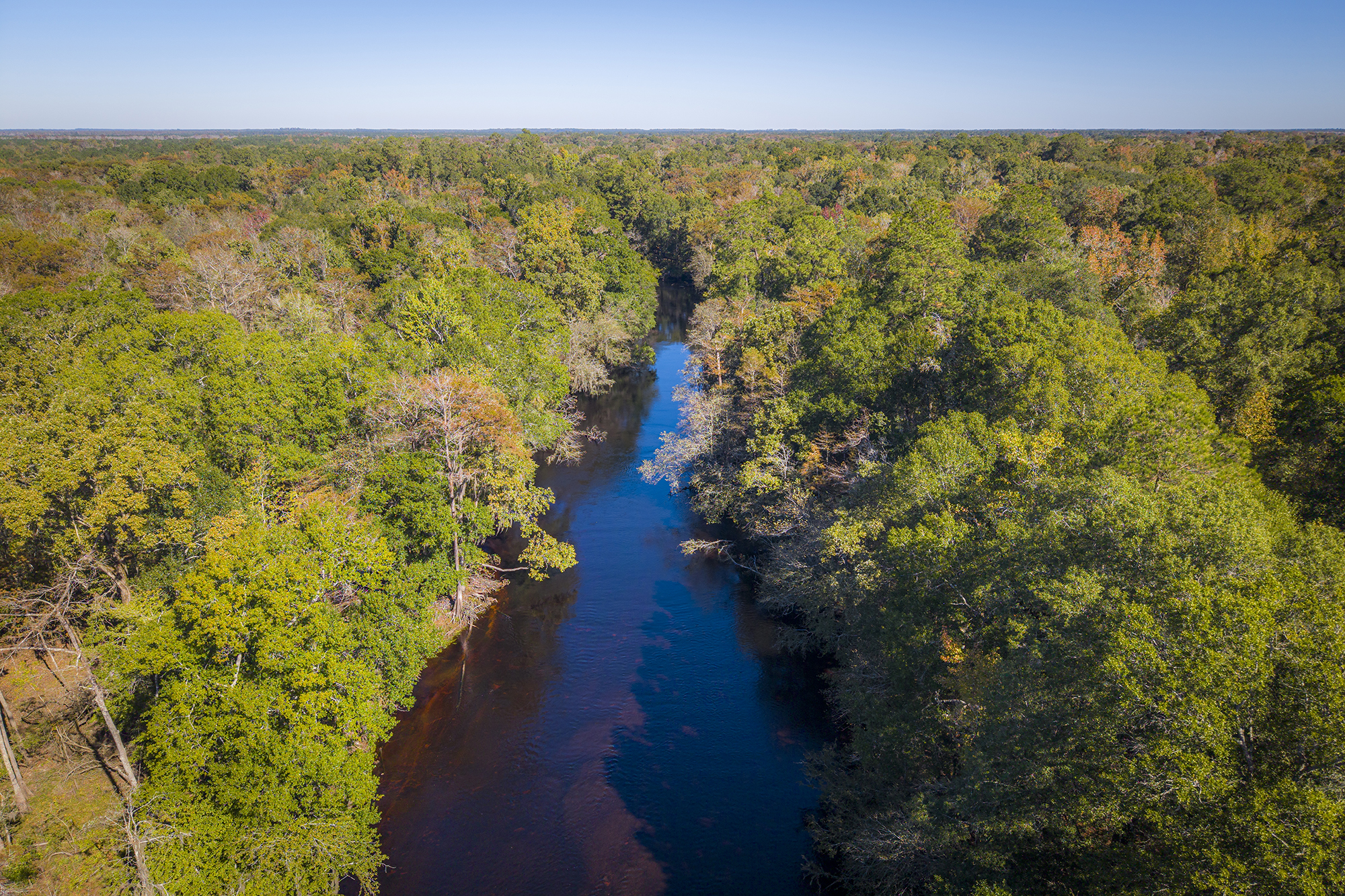
North Carolina State Parks announced on Oct. 30 that it has acquired a 3,005-acre tract along the South Carolina border to be added to Lumber River State Park, located in Robeson County.
The acquisition will protect the west banks of the Lumber River, providing public access to a scenic section near Fair Bluff that’s been federally recognized for its recreation opportunities and natural composition.
“Protection of this property along the Lumber River is an investment in the protection of water quality, outdoor recreation, and the long-term resilience of the area,” said Pam Cashwell, secretary of the Department of Natural and Cultural Resources.
The Conservation Fund coordinated the endeavor, purchasing the property from a private owner for just over $4 million before selling it to NC State Parks, which utilized a $3.6 million grant from the federal Land and Water Conservation Fund and supplemental funding from the NC Parks and Recreation Trust Fund.
The addition of the parcel will increase Lumber River State Park’s size to 16,594 acres, bringing it from the fourth largest property in the state parks system to the second, exceeded only by South Mountains State Park.
“Big conservation wins happen when the right people come together around a shared goal,” stated Guenevere Abernathy, North Carolina state director with The Conservation Fund. “It’s a win for the river, for wildlife, and for the people who live nearby. This remarkable place will be enjoyed by people from across the state for years to come.”