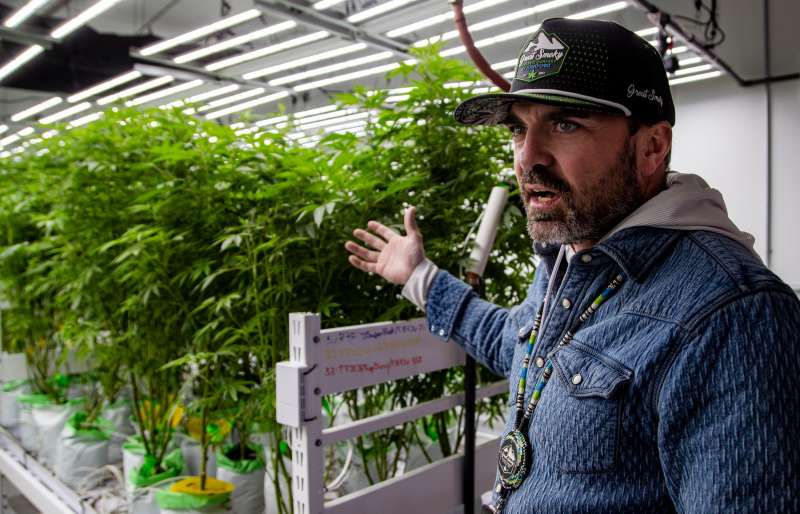
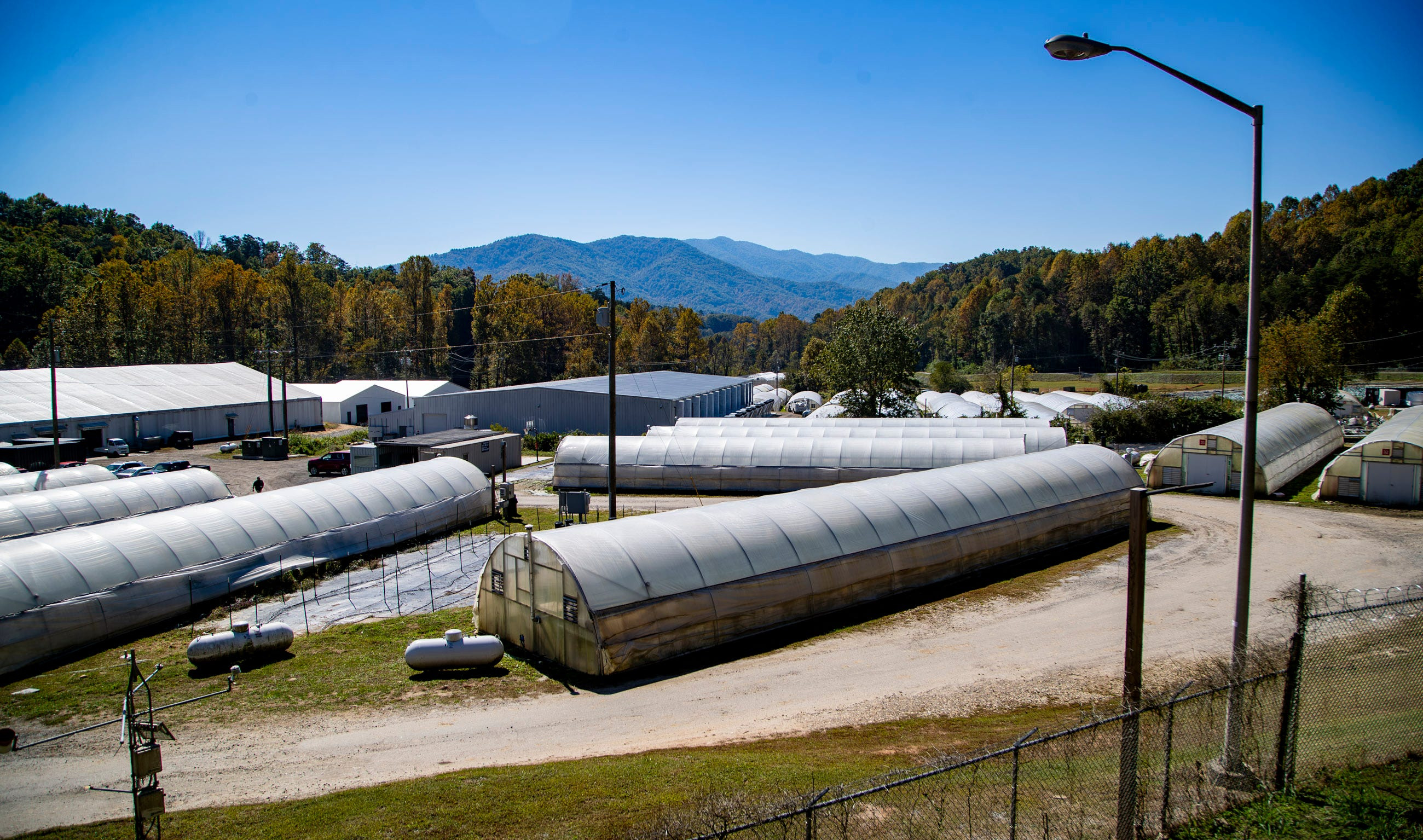
On a 15-acre parcel just outside of Birdtown on the Eastern Band of Cherokee Indians’ Qualla Boundary in rural Western North Carolina, rows of cannabis plants stretch beneath the translucent plastic canopies of outdoor hoop houses, their serrated leaves soaking up mountain sunlight in a lush, verdant landscape.
Inside, however, nature gives way to science. Brilliant artificial lights illuminate immaculate grow rooms where carefully controlled temperatures, automated irrigation systems and rigorous sanitation protocols turn an ancient agricultural crop into a precisely managed commercial product. From cultivation to packaging, everything is tracked, and virtually nothing is left to chance.
North Carolina is still debating whether to legalize marijuana. The Cherokee have already built an industry around it.
After two years of selling cannabis legally on tribal land, the Cherokee have something state lawmakers don’t — a functioning example of what a regulated marijuana market can look like, complete with cultivation facilities, manufacturing operations, retail sales, hundreds of employees and revenue flowing back into the community.
The contrast is particularly stark in a May report from the North Carolina Advisory Council on Cannabis. While Cherokee grows, tests, packages and sells marijuana under tribal regulation, the rest of the state is a $3 billion illegal marijuana market — second only to Texas — that operates without comprehensive state oversight.
Gov. Josh Stein established the cannabis council in June 2025 to recommend a comprehensive approach to cannabis regulation. Its co-chairs, State Health Director Dr. Lawrence Greenblatt and Robeson County District Attorney Matthew Scott, have since recommended legalizing adult-use marijuana with additional protections for medical consumers.
Forrest Parker, CEO of tribally owned Qualla Enterprises, which operates Great Smoky Cannabis Company, has one foot in both worlds.
Parker oversees Cherokee’s cannabis operation while serving on the cannabis council, giving him a perspective few other members can offer; he rejects the notion that Cherokee’s cannabis industry remains an experiment, arguing that its experience demonstrates how a regulated market can protect consumers while creating economic opportunities.
“The Eastern Band, we didn’t bring cannabis to North Carolina,” Parker said. “Our decision was to combat the black market and provide safe access to cannabis, and while doing so, provide jobs, prosperity and opportunity for our people.”
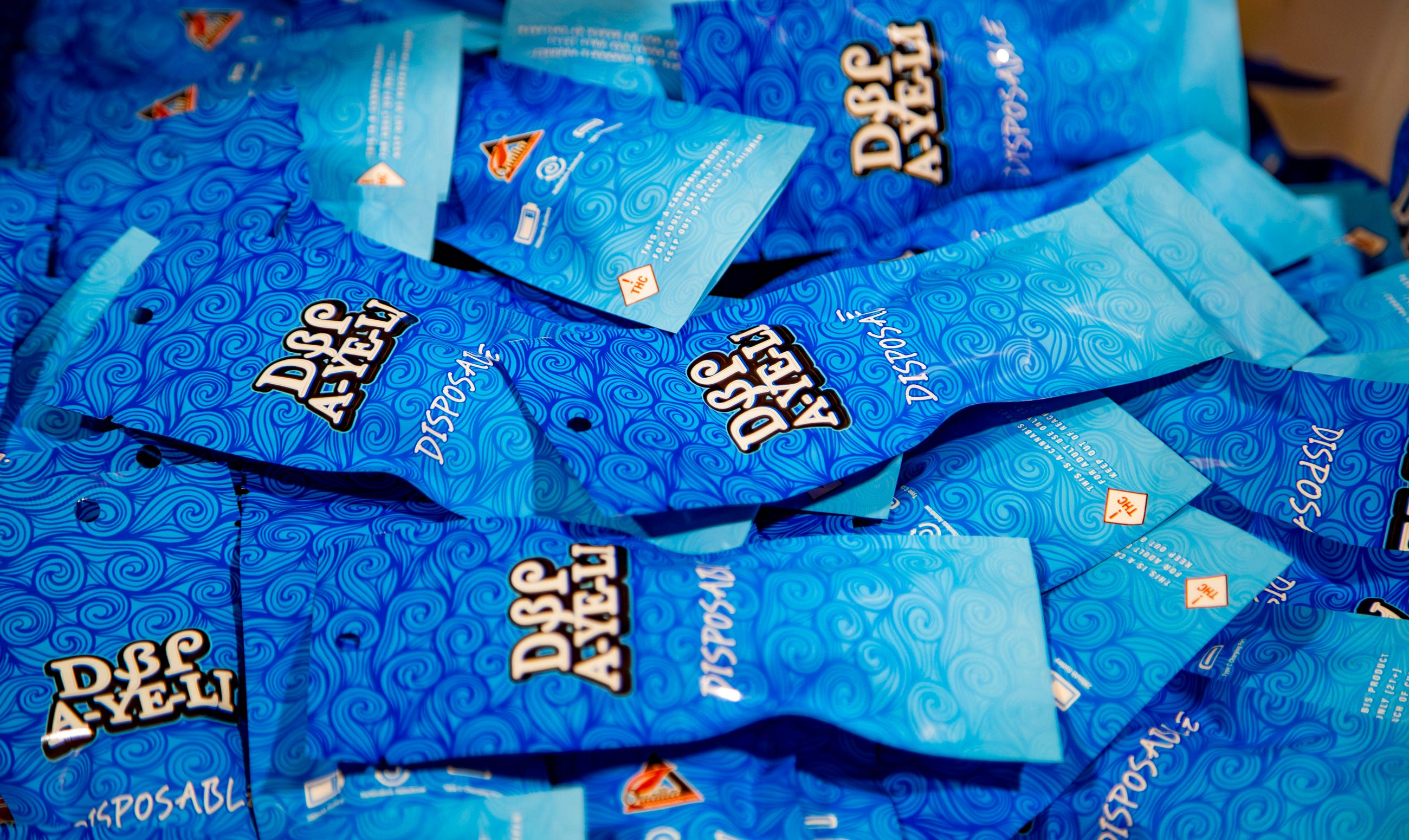
Cherokee cannabis operation generates jobs, revenue
In September 2023, tribal voters overwhelmingly approved a referendum supporting adult-use marijuana legalization, setting the stage for a commercial enterprise operating under tribal law — despite North Carolina’s prohibition, and despite subsequent threats from the tribe’s Republican Congressman Chuck Edwards, who considered withholding federal highway funds over the legalization.
Great Smoky Cannabis Company opened for medical marijuana sales in April 2024. Recreational sales were initially limited to enrolled members of federally recognized tribes before expanding to all adults 21 and older that September.
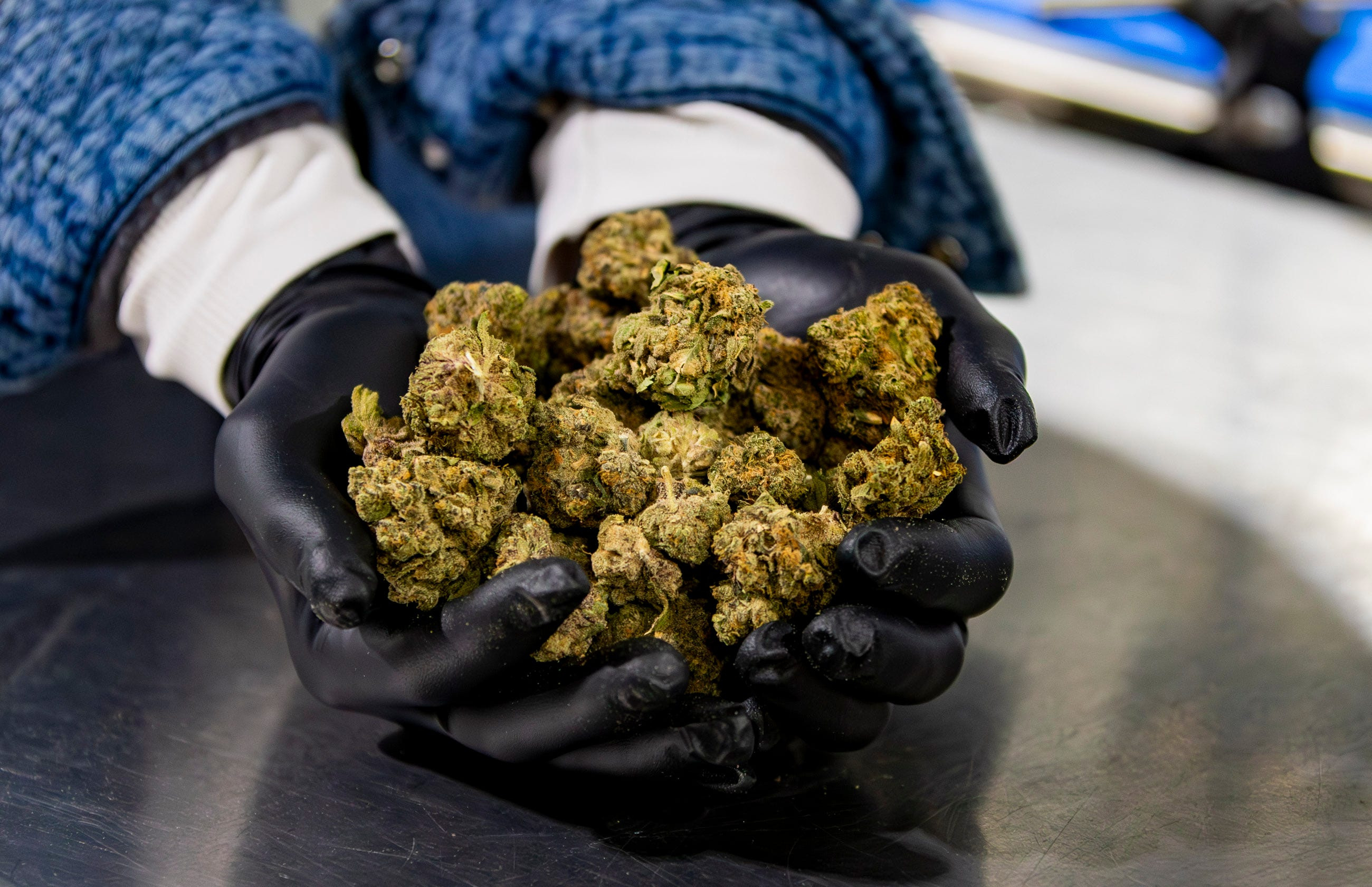
Located inside a former bingo facility, the dispensary offers marijuana flower, concentrates, edibles, vape products and other cannabis preparations. Its website advertises laboratory-tested products, tax-inclusive pricing, online ordering and drive-thru pickup. The dispensary also stocks locally crafted, artisanal glass smoking pieces supporting regional artists alongside the tribe’s growing cannabis industry.
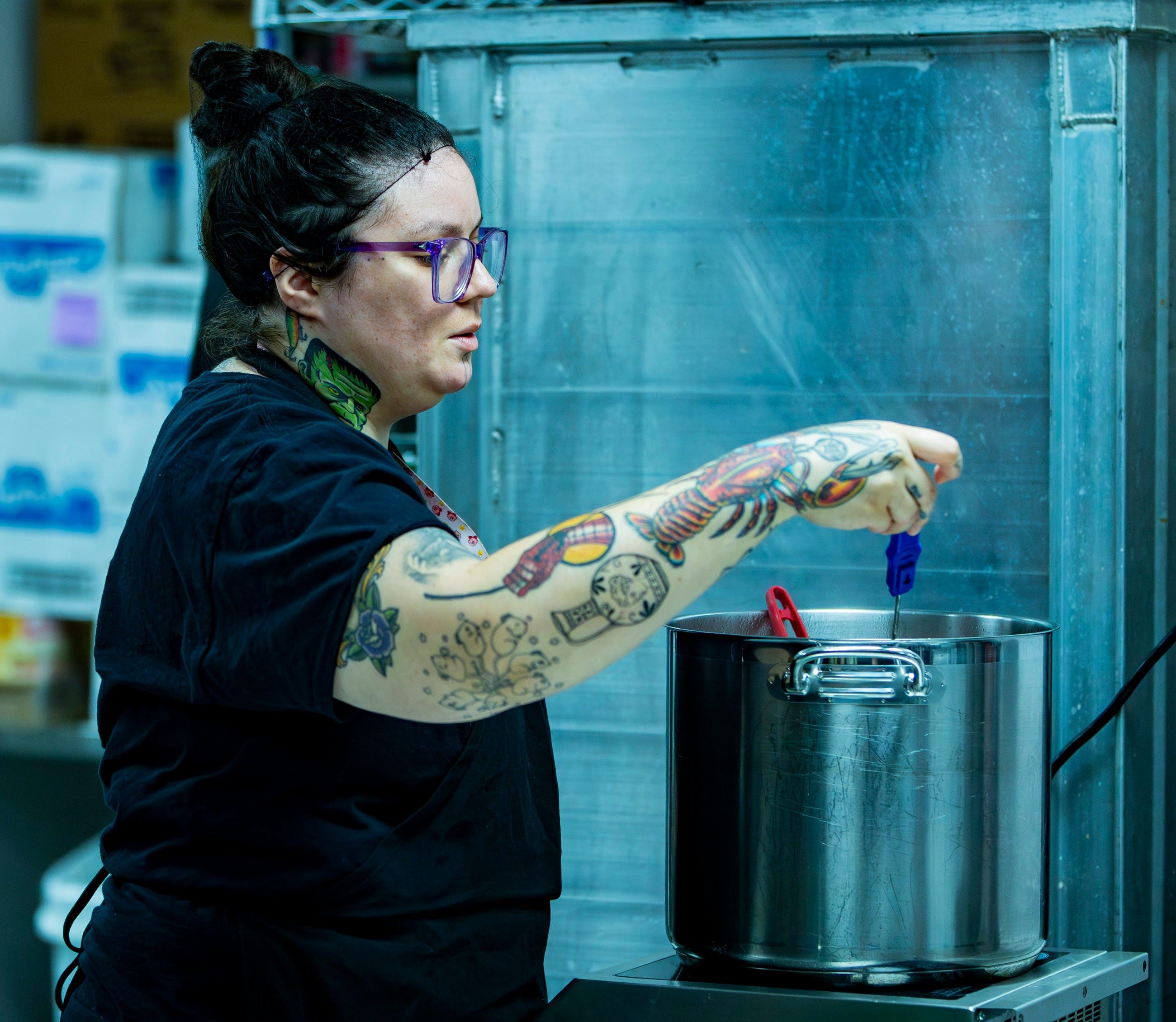
The larger operation encompasses growing, harvesting, processing, packaging and distribution — from seed to sale — all overseen by a separate tribal Cannabis Control Board responsible for licensing and compliance.
The scale of the operation is now quite considerable. Parker said Cherokee began with approximately 40 products, expanding to about 500. According to Qualla Enterprises, its cultivation facilities can accommodate up to 150,000 actively growing cannabis plants at any given time, with production approaching 80,000 pounds in 2026. The company expects output to exceed 110,000 pounds in 2027 as additional growing space and a second property, the Oconaluftee Cultivation Facility, come online.
Since opening, the enterprise has sold more than 3.5 million products and is fast approaching 1 million customer visits.
The workforce has grown to approximately 270 employees, more than 85% of whom are enrolled tribal members. Including relatives of enrolled members, Parker estimates more than 90% of jobs support tribal families.
Few employees arrived with commercial cannabis experience. Most receive training after joining the enterprise, creating a specialized workforce in a region with relatively limited industrial diversity.
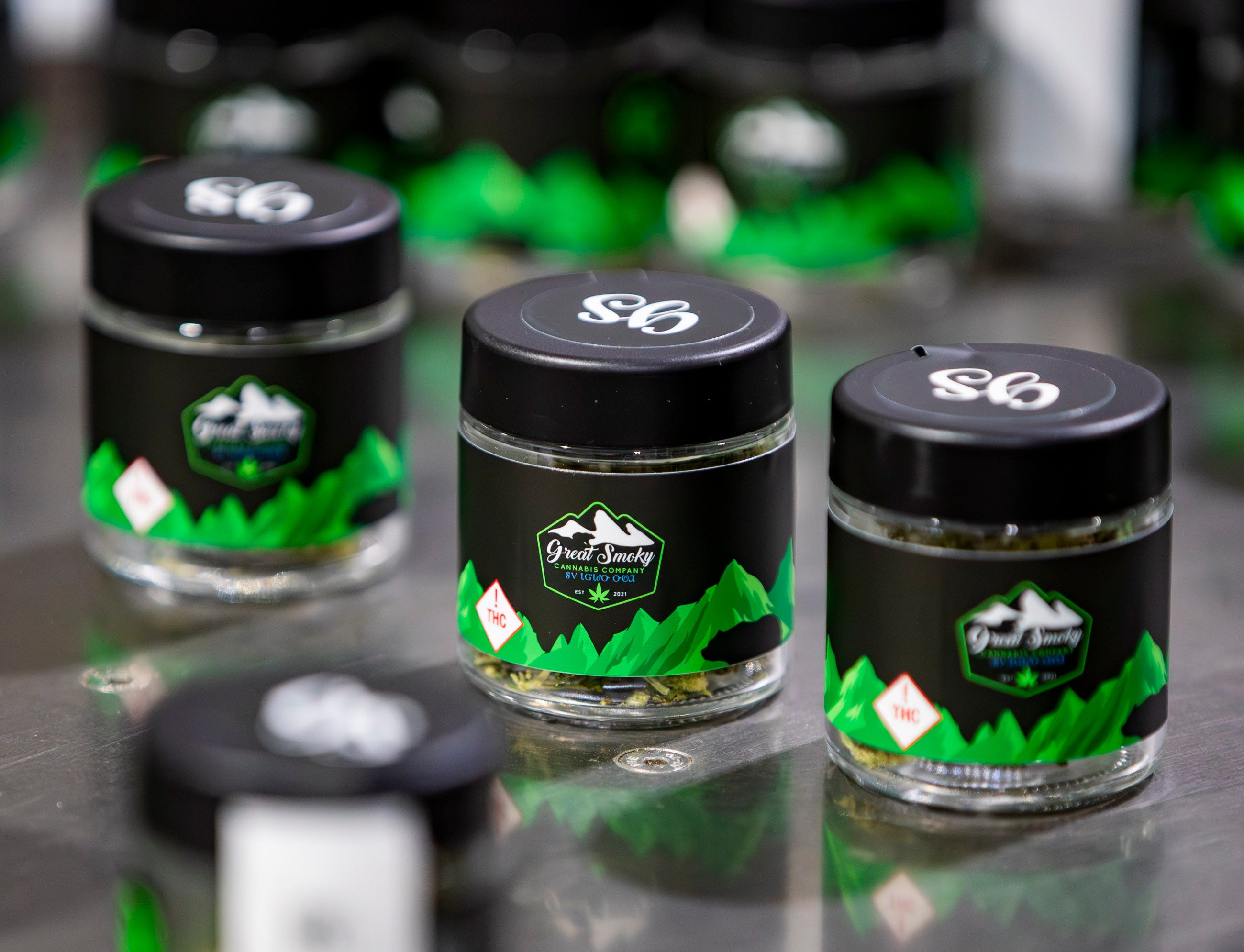
Parker expects employment to reach between 300 and 500 workers eventually, a significant number for a tribe with approximately 16,500 enrolled members.
Although he declined to disclose the tribe’s total investment or company profits, Parker said the operation has become increasingly sustainable. Employees have reduced the cost of producing a gram of marijuana flower by 50% over the past year. Sales generated more than $5 million in tribal sales tax revenue during 2026, separate from the company’s operating earnings.
Using simple math and the tribe’s 9% tax rate, that comes out to a substantial sum — more than $55.6 million in product out the door over roughly nine months.
Cannabis testing emphasizes cleanliness, safety
The Cherokee’s indoor grow operation resembles a sterile laboratory more than a conventional agricultural facility.
Environmental controls regulate cultivation conditions, while extensive sanitation measures seek to prevent contamination before products ever reach retail shelves. Even newly delivered glass jars undergo sterilization before they are used.
Parker said the company performs extensive research and development testing before final product testing, reducing the likelihood that entire batches must be discarded.
“We have a very strict process where if we do fail, that product is gone,” Parker said.
Maintaining those standards is expensive, particularly when compared with unlicensed sellers who do not face similar obligations. Parker considers the investment indispensable, arguing that quality controls should become a cornerstone of any eventual statewide regulatory framework.
“If we’re not going to adopt the most stringent health and safety standards, then really, what is our top priority?” Parker said. “If a consumer can’t be guaranteed that, then what are we really selling them?”
The state cannabis council has raised similar concerns about pesticides, heavy metals, mold, residual solvents and other potential contaminants in intoxicating cannabis products. Its report also examines mandatory laboratory testing, standardized THC labeling, child-resistant packaging, batch tracking and authority to recall unsafe products.
The council also is considering potency limits, marketing restrictions, age verification and safeguards against products packaged to resemble ordinary candy or snacks.
North Carolina currently lacks uniform statewide requirements governing many intoxicating hemp products already sold in convenience stores, vape shops and other retail outlets. Such products proliferated after the 2018 federal Farm Bill legalized hemp containing no more than 0.3% delta-9 THC by dry weight, creating opportunities for manufacturers to sell intoxicating compounds derived from legally classified hemp.
That distinction allows some products with intoxicating effects comparable to marijuana to be sold openly while conventional marijuana remains illegal.
The state’s intoxicating hemp market is estimated at another $1 billion, with Parker citing estimates of potentially more than 20,000 retail outlets selling products across the state — outside a comprehensive regulatory structure.

North Carolina’s cannabis market remains unregulated
Marijuana remains illegal under North Carolina law outside tribal jurisdiction, although possession of a half-ounce or less generally carries a fine rather than active jail time. A conviction can still result in a criminal record.
The council recommends replacing separate regulatory systems based on the plant’s legal classification with a unified framework based on total THC content and intoxicating potential.
Such an approach could require products producing comparable effects to meet comparable safety standards, regardless of whether their ingredients originated from hemp or marijuana.
The consequences of inadequate safeguards are substantial.
According to figures cited by the council, 15.8% of North Carolina high school students and 3.4% of middle school students reported marijuana use within the previous 30 days.
Between 2016 and 2023, the rate of emergency department visits associated with THC ingestion among children and teenagers increased more than 600%. Among older teenagers, the increase exceeded 1,000%.
Legalization would not eliminate the dangers of impaired driving, possible dependence, accidental ingestion or adverse mental health effects. Regulation, however, could provide authorities with licensing, inspections, traceability and recall mechanisms unavailable in illicit markets.
That distinction has become central to Parker’s work on the advisory council, whose membership includes legislators, law enforcement officials, health professionals, industry representatives and tribal leaders.
NC cannabis council considers adult-use legalization
Parker praised the council’s collaboration, particularly the different perspectives provided by medical professionals and prosecutors responsible for understanding the consequences of cannabis use and enforcement. He acknowledged that members possess widely varying levels of familiarity with the industry, making education and examination of other states’ experiences essential.
Law enforcement’s involvement, he said, has been especially valuable because officers would ultimately be responsible for enforcing whatever system lawmakers may choose to establish.
The council’s interim report recommends regulating cannabis according to intoxicating potential rather than its origin. Its co-chairs also favor an adult-use market with enhanced medical protections rather than establishing a separate medical-only program.
Medical-only systems could require physician certifications, patient registration and additional administrative expenses while leaving substantial consumer demand to be met by illegal sellers. Additionally, medical cannabis is often exempt from the substantial excise taxes imposed on recreational sales, limiting a major potential revenue source for state budget planners currently operating in an intensely anti-tax political environment.
Parker supports the adult-use approach, contending that medical and recreational cannabis products are often fundamentally similar even when eligibility requirements differ.
“I don’t support adult use outside of a safe environment. I don’t support a free-for-all,” Parker said. “But I do support adults being able to make their own health decisions with a product that’s tested.”
The council is also examining licensing structures, cultivation requirements, enforcement authority, impaired-driving detection, possible expungement of previous marijuana convictions and mechanisms to support North Carolina farmers and businesses.
Economic considerations could be substantial. The interim report estimates that mature adult-use markets elsewhere have generated between $33 million and $552 million annually in cannabis taxes, although those figures represent gross collections rather than net revenue after regulatory expenses.
A regulated North Carolina industry could also divert some consumer spending away from illicit sellers, but license fees, taxes and compliance costs would have to be balanced against the need for legal businesses to remain competitive.
Federal uncertainty complicates those decisions. Restrictions scheduled to take effect in November could sharply curtail intoxicating hemp-derived products, potentially disrupting existing businesses before North Carolina establishes its own comprehensive framework.
Cherokee cannabis business welcomes competition
Statewide legalization could threaten Cherokee’s current position as North Carolina’s only legal recreational marijuana retailer, potentially allowing customers to purchase cannabis much closer to home. Parker acknowledges that competition would require changes in product development and business strategy, but he instead views a regulated statewide market as an opportunity.
Qualla Enterprises hopes eventually to expand onto additional tribal lands and potentially establish relationships with the state’s future cannabis industry.
“We don’t see them as much as competition, but as collaboration,” Parker said.
The company has developed a customer base Parker described as considerably older than popular stereotypes of marijuana consumers suggest, with average customers in their late 40s or early 50s. Approximately 60% are male and 40% female, although he said the proportion of women is growing. Consumers have also rewarded the company’s emphasis on quality, he said, strengthening its confidence that it could remain competitive in an expanded market.
Public opinion suggests considerable support for reform. Polling cited in the council’s report found 71% of North Carolinians favor medical marijuana legalization and 63% support recreational legalization.
By February, the council had received more than 3,000 public comments addressing legalization, medical use, consumer safety, criminal justice and the potential effects on existing businesses.
Not every council member or represented organization has endorsed adult-use legalization. The council continues examining competing policy models, and the final recommendations have yet to be determined.
For lawmakers reluctant to support reform, Parker argues that prohibition has already failed to prevent access to intoxicating cannabis.
“The fact of the matter is that people that want access to cannabis have it,” Parker said. “They’re going to get it, and right now they’re getting it in places that aren’t safe, and kids are getting it in places that aren’t safe.”
The council must submit its final recommendations to Stein by Dec. 31. Those recommendations, however, will carry no force of law unless and until the General Assembly acts.
That leaves the state contemplating decisions Cherokee has already made, although tribal sovereignty, government ownership and the smaller scale of its operation mean the model cannot simply be replicated statewide. North Carolina will have to blaze its own trail.
The North Carolina Department of Health and Human Services continues to accept public comment for consideration in the cannabis council’s final report at nc.dhhs.gov.
Reporting by Cory Vaillancourt, Asheville Citizen Times / Asheville Citizen Times
USA TODAY Network via Reuters Connect