Back-to-back winter storms are testing North Carolina’s power grid.
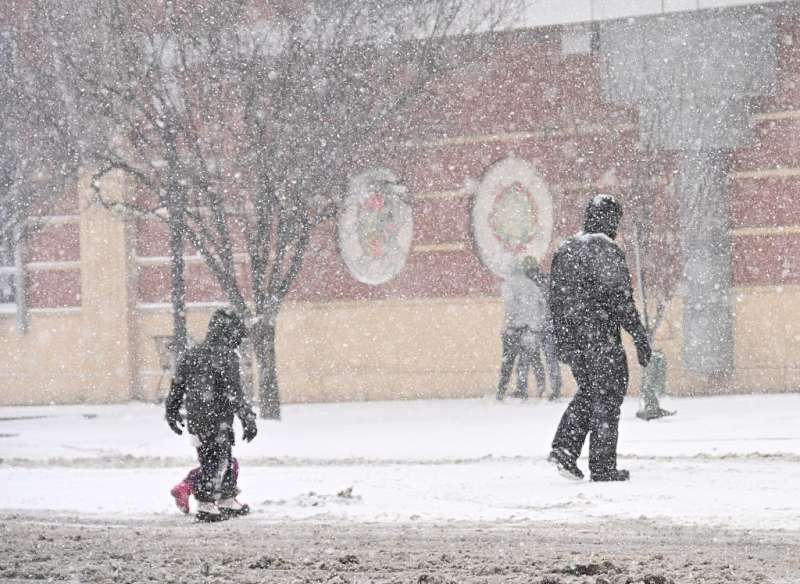
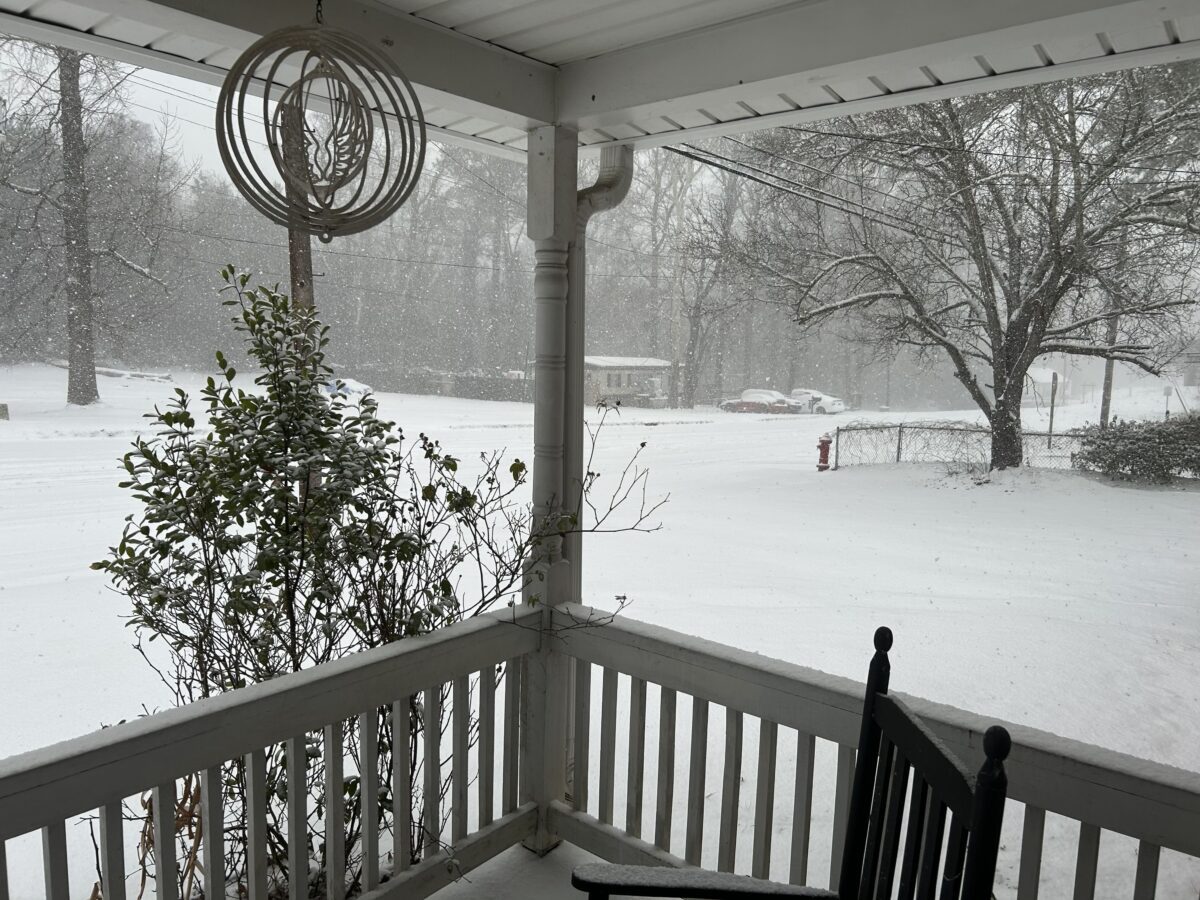
Across North Carolina, the signs of another winter storm were hard to miss: snow piling up, roads left untreated overnight, and utility crews bracing for more outages. It was the second major winter storm in a matter of days for the state.
Over the weekend, a storm system that rapidly intensified into what meteorologists call a “bomb cyclone” barreled up the East Coast, leaving heavy snow, fierce winds, and dangerous travel conditions from the Carolinas into New England. In parts of the state, snowfall reached nearly a foot, marking this storm as one of the most significant winter snow events in recent memory.
RELATED: Everything you never learned about NC’s power grid—and how clean energy fits in
The bomb cyclone followed on the heels of Winter Storm Fern, which already had residents digging out from ice and sleet just days earlier. The back-to-back extremes left utility companies such as Duke Energy scrambling—and asking many North Carolinians to use less power to prevent outages.
What makes a “bomb cyclone?”
A bomb cyclone isn’t a hurricane and it isn’t a typical snowstorm. It’s a term used by weather experts to describe a rapidly strengthening low-pressure storm. It’s also one whose central pressure drops by at least 24 millibars in 24 hours—a process the National Ocean Service calls “bombogenesis.” The result is a potent mix of high winds, heavy precipitation, and rapidly changing conditions.
READ MORE: A ‘bomb cyclone’ could drop snow on North Carolina this weekend
How climate change fits into this storm
Climate change does not cause individual storms on its own, but scientists say it influences how often they happen and how intense and disruptive storms become.
According to climate scientists interviewed by The New York Times, a warming Arctic may be altering the jet stream, the fast-moving band of winds that usually keeps cold air locked near the North Pole. The Arctic is warming faster than any other region on Earth, and that warming appears to weaken the jet stream, allowing cold Arctic air to dip farther south more often and linger longer than it once did.
“When we have a weak temperature gradient between the Arctic and mid-latitudes, the result is weaker winds,” Timo Vihma, a polar meteorology expert at the Finnish Meteorological Institute, told the NYT.
Those weaker winds can cause the jet stream to become wavier, more like a looping ribbon than a straight line, increasing the likelihood of prolonged cold snaps in places like the Southeast. That same pattern can also fuel powerful storms when Arctic air collides with warmer, moisture-rich air over the Atlantic, creating conditions to make bomb cyclones possible.
Power outages and infrastructure stress
As heavy snow and wind swept across the Carolinas over the weekend, thousands of households lost power. Duke Energy reported more than 8,500 outages across North and South Carolina at the height of the storm.

A recent WRAL report noted that North Carolina has experienced more than 111 major weather-related power outages since 2000, ranking the state fourth in the nation behind Texas, Michigan and California. Additionally, the report showed that winter weather, including ice, sleet and heavy snow, is a leading cause of those outages.
Consecutive storms like Fern and this bomb cyclone magnify those vulnerabilities, straining aging infrastructure and limiting the time utility companies have to fully restore and reinforce the grid between events.
A bigger pattern, not just bad timing
Meteorologists say this storm fits into a broader pattern of increasingly volatile winter weather across the eastern United States. For North Carolina, that means winter weather may no longer come as a single disruptive event, but in rapid succession—with less time for communities, utilities, and infrastructure to recover between storms.