Rural Economy
-
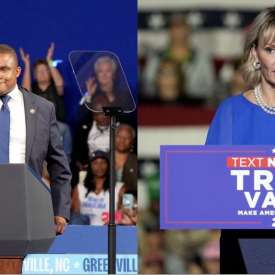
In Goldsboro, Roy Cooper highlights cost of living crisis
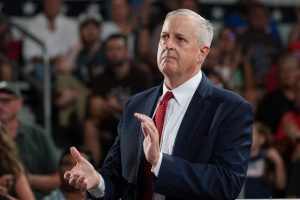
Roy Cooper has made the cost-of-living crisis the cornerstone of his campaign. In eastern North Carolina, he criticized President Trump’s Iran war policy and touted his success in expanding healthcare access.
-
The key role of soybeans in the race between Davis, Buckhout
The soybean industry is critical to northeastern North Carolina, and farmers have been hammered by tariffs that hurt export markets for their products.
-
The Veteran’s Farm helps NC vets find purpose in agriculture
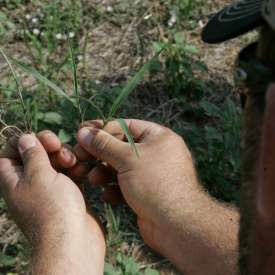
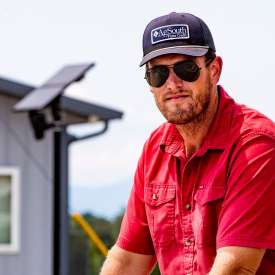
For 10 years, The Veteran’s Farm has been helping North Carolina’s military vets find community and purpose.
-
Helene killed his wife and destroyed his mobile home. New tenants are now renting the same flood-prone land.
Why mobile homes in North Carolina are put in harm’s way time and again.
-
How federally dependent is North Carolina? See WalletHub’s state rankings
How much does North Carolina rely on the federal government? Here are the most federally dependent states in America, according to WalletHub.
-
NC A&T: New clean-energy economy project could bring jobs to rural North Carolina
A&T is joining a $160 million regional effort to turn renewable crops into industrial materials, with workforce training aimed at expanding access to manufacturing careers.
-
An ICE facility could change this small town in Eastern North Carolina
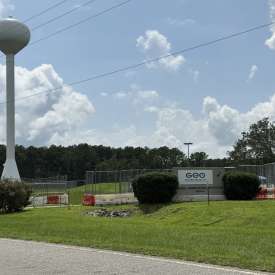
A 1,320-bed ICE facility is set to open soon in eastern North Carolina, this time to house detainees for the White House’s mass deportation campaign.
-
We looked into Jennifer Balkcom’s past campaign contributions. Here’s what we found.
As Balkcom introduces herself to the electorate in western North Carolina, Cardinal & Pine looked at who has contributed to her campaigns.
-
In rural NC county, opposition to Flock cameras unites conservatives and liberals
Activists from across the ideological spectrum, some of them brand new to public advocacy, are quickly mobilizing as part of a broad-based push against Flock cameras in Hendersonville and Henderson County.
-
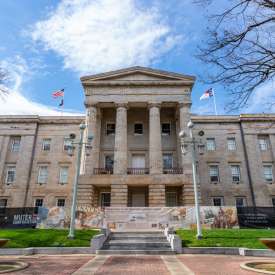
The 8 state House races standing between the GOP and a supermajority
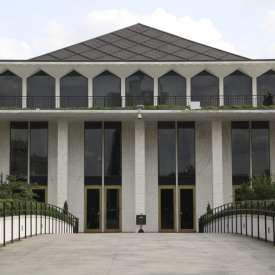
In 2024, Democrats broke the GOP supermajority in the North Carolina House. Here are the races that could decide the direction of the chamber heading into 2027.