Long before the Supreme Court overturned Roe v. Wade, many people across the South were already being shut out of abortion care because of cost, distance, immigration status, stigma, and restrictive laws. For rural communities, for low-income people, for immigrant families, and for young people, the right to abortion often existed only on paper.
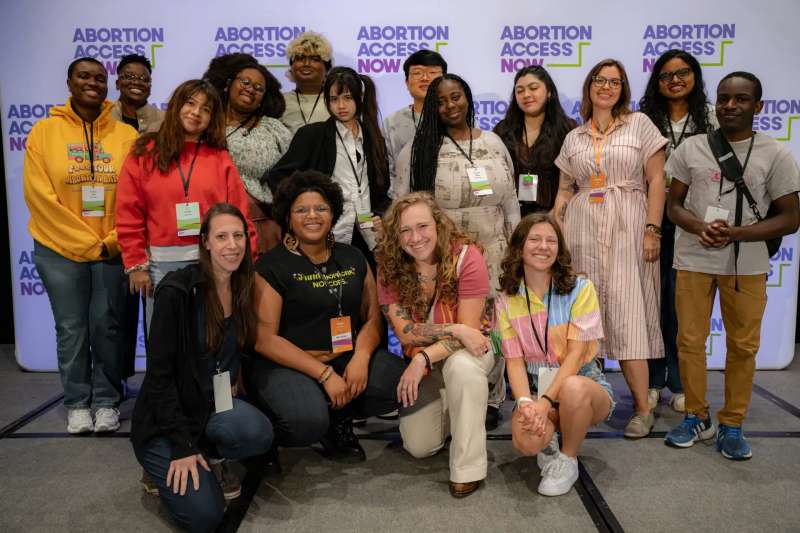
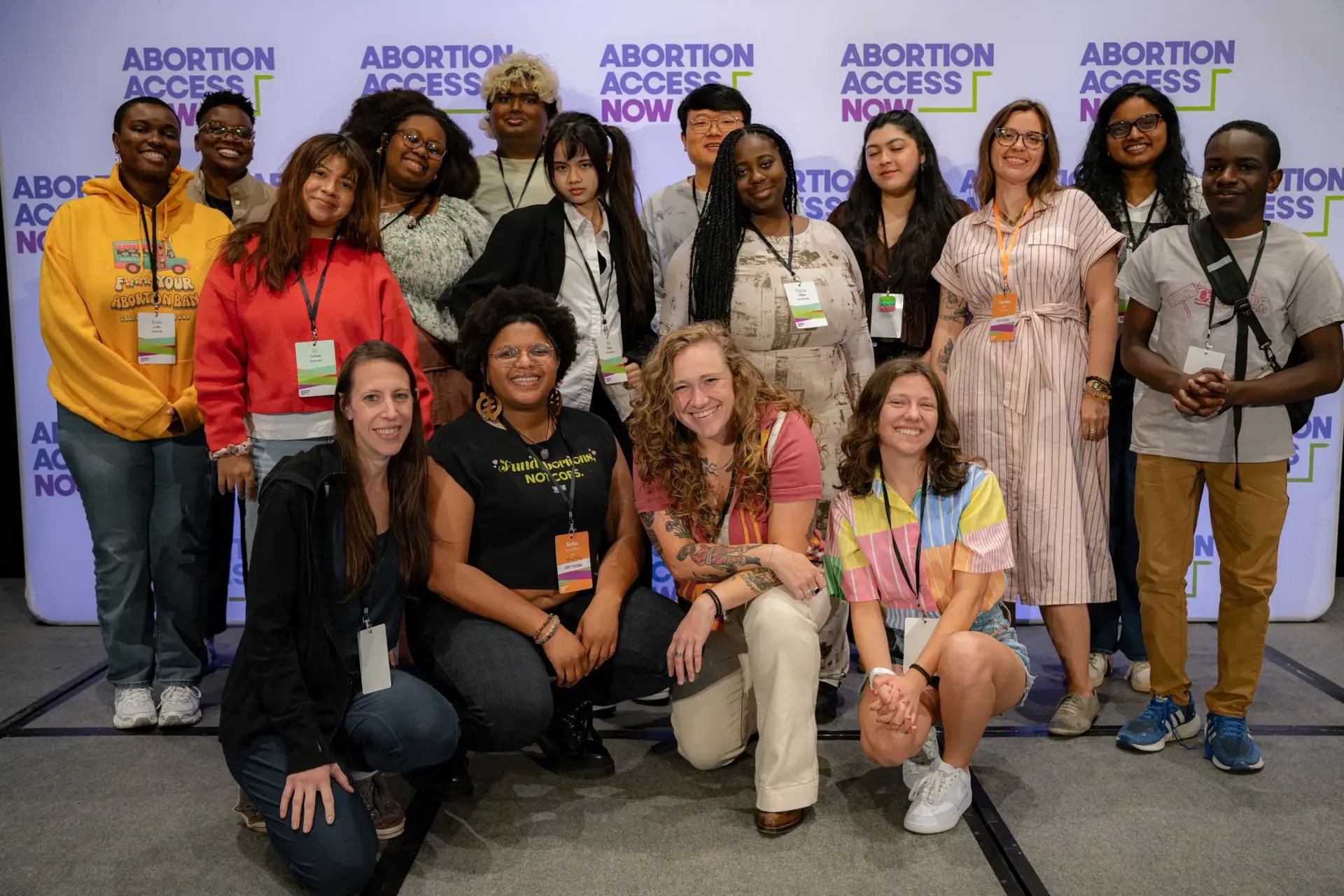
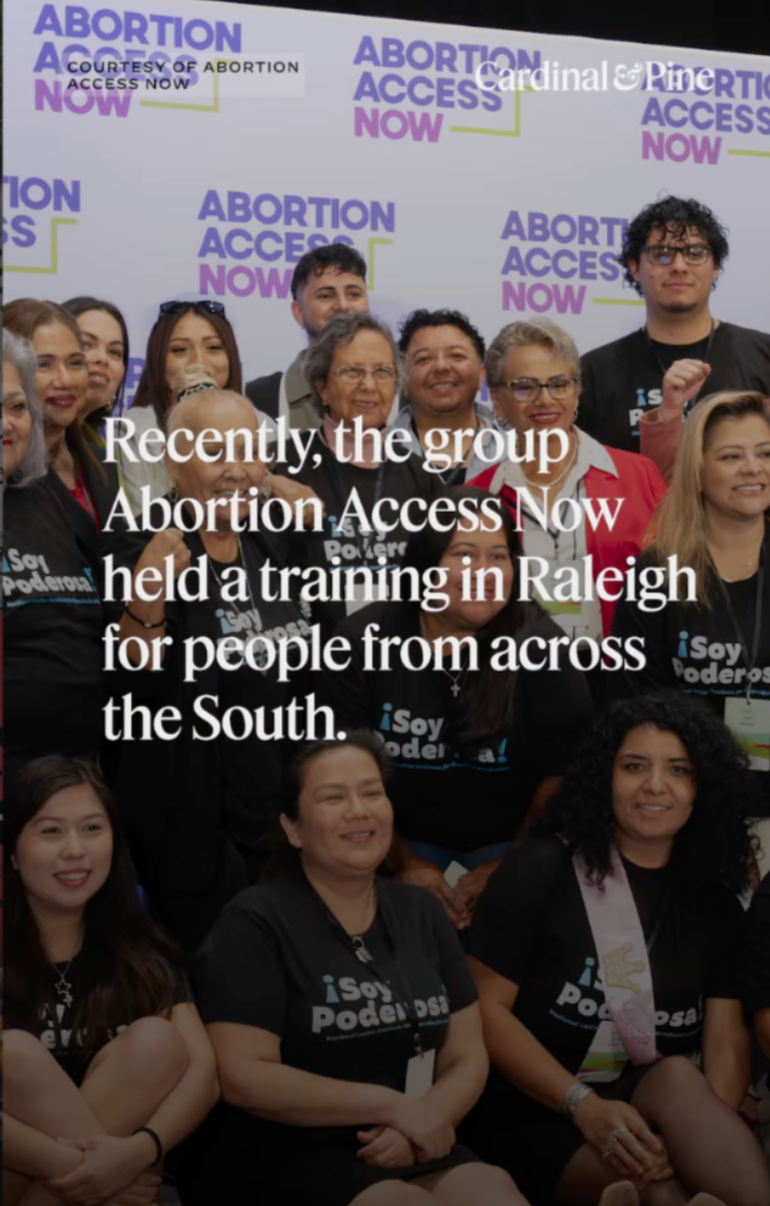
The training in Raleigh was a response to that reality. It gave participants practical tools to organize their own networks, lead values-based conversations, and build the kind of durable grassroots power that can outlast any one election or court decision. That is not symbolic work. It’s how movements grow.
Southern states know better than most that the status quo is unstable. Access can be narrowed by a legislature, a court ruling, or a hostile administration.
We should not accept a system where someone’s ability to get healthcare depends on their ZIP code. Patients, not politicians, should make decisions about their bodies and their futures. A person’s income should not decide whether they can access care. Immigration status should not be a barrier to healthcare. And people should not be forced to navigate a patchwork of restrictions that differ between states that treat abortion as a privilege instead of a basic part of reproductive health.
That is why this work must be national in scope, even as it is rooted in communities like ours. Abortion Access Now is building toward a future where abortion is legal, accessible, affordable, and free from criminalization, stigma, or fear. That means a federal right to abortion, protections that preempt bans and medically unnecessary restrictions, and policies that remove barriers to coverage for immigrant communities and people who rely on public insurance.
But the heart of the effort is people. Real change will come from the leaders who leave trainings like the one in Raleigh ready to talk to their neighbors, organize their congregations, connect with their coworkers, and bring more people into the fight for reproductive freedom.
This is more than a one-time event. It’s an investment in the kind of people power that can bring lasting change.
We have a choice. We can keep living under a system where access is uncertain, uneven, and vulnerable to political attack. Or we can help lead the way toward a future where abortion care is guaranteed and available in practice—where the right to care is matched by the ability to get it.
That future will not build itself. It will be built by people across this state, organized and determined, who understand that reproductive freedom must be more than a promise.