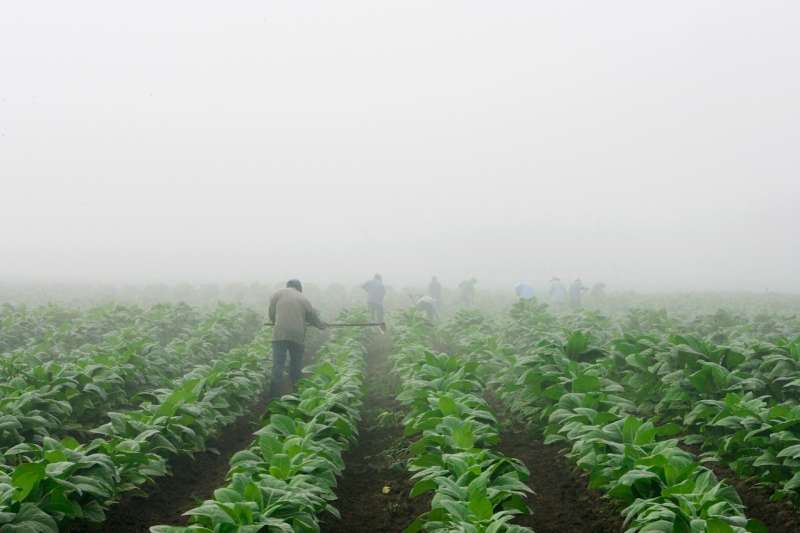
The Iran war, widespread tariffs, an unaddressed climate crisis, and other consequences of President Donald Trump’s second term are “wreaking havoc” on North Carolina farmers and the US agriculture industry, a new report found.
The report, by Defend America Action, an advocacy group aligned with Democrats, compiled several data sources and news reports to show the cumulative squeeze that US farmers have faced under Trump policies. Over the last year and a half, the Trump administration has waged trade wars with allies, and a full-on war against Iran with no end in sight, the report said, and “American farmers spent 2025 caught in the middle.”
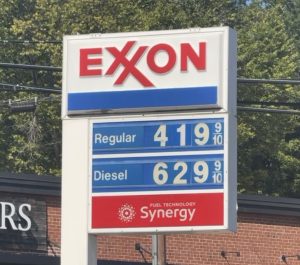
The war with Iran, which closed off access to the Strait of Hormuz, blocked easy access to oil, gas, and fertilizer, driving up prices for all of these necessities.
Trump’s tariff policies also increased the costs of a wide range of goods and supplies that farmers need, including parts for tractors and other heavy machinery.
Trump also dismantled several federal agencies and initiatives to tackle the climate crisis and aid resiliency efforts while an intensifying drought threatens crops across North Carolina.
US farmers, who already survive by razor-thin margins, are buckling under the combined strain, the report said.
“Trump left the U.S. completely unprepared as Iran closed the Strait of Hormuz and squeezed oil, gas, and fertilizer supplies, despite being warned by his top military advisors well in advance, and Americans are paying the price,” the report said.
“The consequences for farmers have been especially staggering,” and “Trump is standing on the sidelines as American agriculture faces its toughest season in years.”
RELATED: Opinion: Federal policies are hurting NC farmers. So state leaders must have their backs.
The report found that nearly 60% of farmers across the country say their financial situation is worsening, and an even larger percentage said they could not afford the fertilizer they need.
Farm bankruptcies rose by 46% in 2025.
The report quantifies the crisis in stark detail, capturing a reality that North Carolina farmers have been navigating every day.
“This is one of the toughest times I’ve seen in agriculture,” Ron Heiniger, an NC State University expert, told Carolina Coast Online in April.
Difficult to plan
While the tariffs themselves increased costs, Trump’s chaotic, on-again-off-again approach to tariff policy also made it difficult for farmers to plan or follow through on their plans.
“Rising diesel prices are … forcing [North Carolina] shrimpers to keep their boats docked,” the report said, and “high fertilizer prices have pushed [NC] farmers to rethink their crop plans and swallow the prospect of reduced crop yields.”
The uncertainty is not just a local problem.
Costs were already high before Trump’s tariffs went into effect, but the policies increased uncertainty at a crucial time, a Kansas farmer told the industry publication Farm Progress in January.
RELATED: NC farmers are facing a severe financial squeeze in 2026. Here’s why
“Tariffs add another layer of cost at a time when farmers are trying to plan months or even years ahead,” the farmer said.
Trump increased tariffs across the board in 2025. While he lowered some tariffs on farm machinery in June, the damage was largely already done.
The revenue the tariffs generated was far less than the increased prices US farmers paid for the goods, a separate study by North Dakota State University found.
Retaliation, drought, and budget cuts
RELATED: ‘A lot of people are hurting’: Rising costs pummel North Carolinians, new report shows
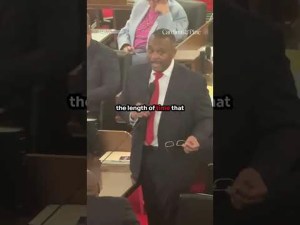
Like a double-headed axe, the retaliatory tariffs enacted by other countries in response to Trump’s policies cut off export markets that US farmers depended on, including North Carolina hog and soybean farms, former US Rep. Bobby Etheridge said during a June press call announcing the report.
“[Trump] is using it as a blunt instrument around the world, and then we get retaliatory tax against us, which means the farmer’s paying both ways,” said Etheridge, who is from New Hanover County and represented North Carolina in the US House from 1997 to 2011.
“He’s paying the tax on the fertilizer, the diesel fuel, and the other stuff he’s buying, and then when he gets ready to sell his soybeans, his tobacco, which is a large piece of North Carolina and others, you’re paying a tax on that.”
Trump’s policies also ended programs that could help farmers withstand droughts and discontinued programs that allowed rural schools and food banks to buy produce directly from local farms to help fight food insecurity.
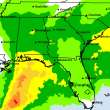
“Here in North Carolina, as it is in the Southeast now, we’re facing one of the worst droughts that we have faced in decades. The predictions are, by the meteorologists and NOAA, that we may not be out of this drought before September. If that continues, we just think we have problems, and yet we do not have any sympathy coming out of the White House under this Trump administration,” Etheridge said.
And farms don’t live and die in a vacuum. What’s bad for them is bad for everyone.
“Our farmers are in a very difficult situation. That means the rest of us are, we just don’t know it yet,” Etheridge said.
“A nation that cannot feed itself is a nation that ultimately is going to be in deep trouble. We’re headed to that point,” he added.
“Most folks don’t realize … that the average age of our farmer in this country is 59. How are you going to encourage a young person to go into a business where you can’t make a living?” he said.
“This is a sad situation that the Trump administration—they really either don’t understand or don’t care about the people who feed all of us.”