Money & Jobs
-
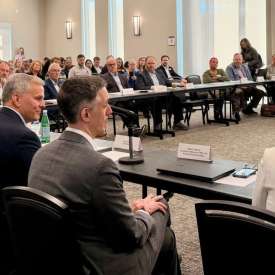
5 takeaways from western NC’s Helene recovery committee
Most importantly, proposed Helene relief programs in western NC require much more funding than is currently available.
-
The federal government tapped $20M for ads glorifying Donald Trump
Two top Democratic senators said that the money for the Trump ads was supposed to go to Customs and Border Protection.
-
Opinion: Former NC GOP leader on why he’s voting against a constitutional amendment to limit the income tax
A former Republican leader in the NC General Assembly calls a constitutional amendment limiting income tax “a risky bet.”
-
Why two NC constitutional amendments on the ballot could be devastating
Two proposed amendments to the North Carolina constitution have the potential to radically disrupt revenue for local governments while making handouts to corporations and the wealthy permanent.
-
NC judge rules Chatham County data center can go forward despite moratorium
A Chatham County data center project will move forward despite the county’s moratorium, following a court decision.
-
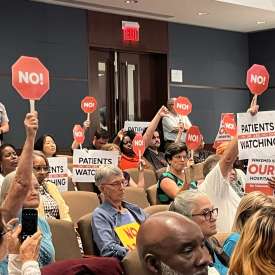
Wake County commissioners clear the way for Atrium-WakeMed combo at contentious meeting
Wake County commissioners on Monday moved forward with the Atrium-WakeMed merger, one of the most contentious health care changes the county has faced in decades.
-
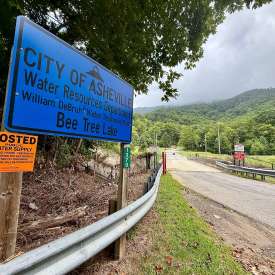
Two years after Helene, a county-by-county breakdown of recovery in western NC
Only 14% of more than 2,900 recovery projects western NC submitted to the Federal Emergency Management Agency (FEMA) are in the “closeout” stage two years after Helene.
-
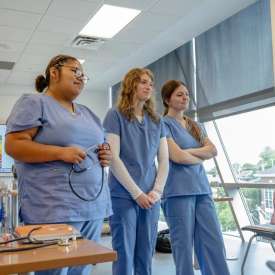
What does NC’s new community college funding model mean for schools, students and employers?
When North Carolina lawmakers finally passed the long-delayed budget this summer, they changed how the state’s 58 community colleges are funded.
-
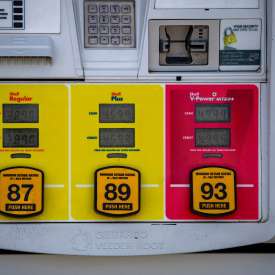
Gas prices surge in NC, with more increases on the way. Here’s why
Here’s where you can find the highest and lowest gas prices in NC.
-
Good News Friday: Why NC’s $590 million PFAS settlement with DuPont, Chemours is such a big deal
Attorney General Jeff Jackson said Thursday that the state’s reached a deal with DuPont and Chemours that will see the corporations pay out $590 million to the state and 11 local municipalities over PFAS contamination in North Carolina.