Compounded GLP-1 injections made by a pharmacy previously warned by the Food and Drug Administration that its practices put “patients at risk” have been recalled nationwide.
Apothecary Pharma LLC initiated a voluntary recall of tirzepatide injections on Sept. 24 because of a “lack of assurance of sterility,” according to an FDA notice. Tirzepatide is the active ingredient in the brand-name medications Zepbound and Mounjaro. Apothecary Pharma is based in Cary, North Carolina, according to the FDA.
Never miss an update on North Carolina. Get Cardinal & Pine’s free, award-winning newsletter here.
The FDA classified the recall as a Class II recall on Oct. 10. That designation means using the medication could cause temporary or medically reversible health consequences, or that the likelihood of serious adverse health consequences is remote.
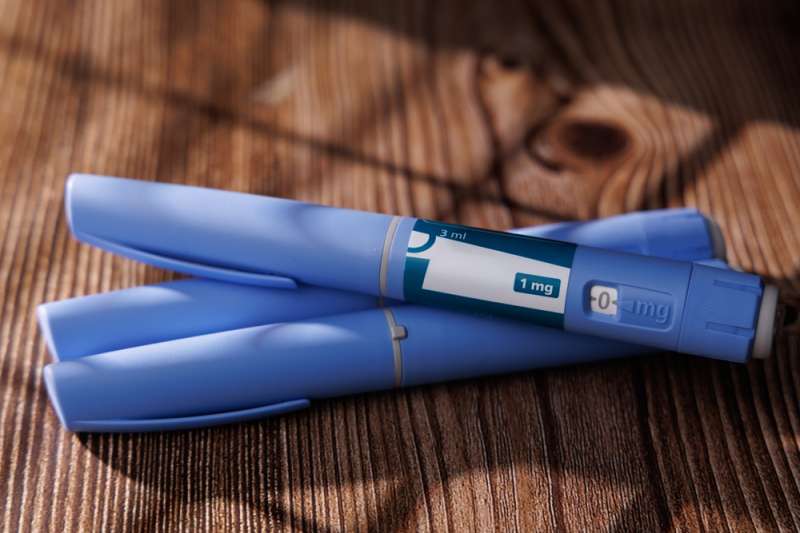
The recalled injections are compounded versions of tirzepatide. Unlike FDA-approved, brand-name medications, compounded drugs are custom-prepared by pharmacies to meet specific needs and are not individually reviewed by the FDA for safety and effectiveness before being marketed.
What are GLP-1 medications?
According to the National Institutes of Health, glucagon-like peptide-1 (GLP-1) receptor agonists are medications used primarily to treat Type 2 diabetes and obesity.
Popular medications in this category include Ozempic, Mounjaro, Trulicity, Wegovy and Zepbound. These drugs have different active ingredients and approved uses.
What are compounded GLP-1s?
Compounded GLP-1 medications have drawn increased scrutiny from the FDA since tirzepatide and semaglutide were removed from the federal drug shortage list in late 2024 and early 2025.
During shortages, compounding pharmacies helped expand access to versions of these medications. After the shortages ended, the FDA said the circumstances that had permitted certain types of compounding were changing, prompting disputes over whether pharmacies could continue making the drugs in large quantities.
Apothecary Pharma received an FDA warning letter in December 2025 that cited several violations, including “serious deficiencies” in the company’s practices for producing drugs intended or expected to be sterile. The FDA said those deficiencies “put patients at risk.”
Which compounded GLP-1 injections were recalled?
The recall covers 22 vials of Apothecary Pharma’s tirzepatide injection, according to the FDA.
The affected product is Apothecary Pharma Tirzepatide Injection, an 18 mg/mL solution packaged in a 4-mL sterile, multidose vial. The medication is available by prescription only.
Check the lot number and beyond-use date (BUD) on the vial against the following list:
- Lot AP-202622, BUD Oct. 7, 2026
- Lot AP-202623, BUD Oct. 8, 2026
- Lot AP-202624, BUD Oct. 19, 2026
- Lot AP-202625, BUD Oct. 20, 2026
- Lot AP-202627, BUD Oct. 26, 2026
- Lot AP-202628, BUD Oct. 27, 2026
- Lot AP-202629, BUD Oct. 28, 2026
- Lot AP-202630, BUD Oct. 31, 2026
- Lot AP-202631, BUD Nov. 1, 2026
- Lot AP-202632, BUD Nov. 3, 2026
- Lot AP-202633, BUD Nov. 7, 2026
- Lot AP-202634, BUD Nov. 8, 2026
- Lot AP-202635, BUD Nov. 16, 2026
- Lot AP-202636, BUD Nov. 17, 2026
- Lot AP-202637, BUD Nov. 18, 2026
- Lot AP-202638, BUD Nov. 19, 2026
- Lot AP-202639, BUD Nov. 20, 2026
- Lot AP-202640, BUD Nov. 21, 2026
- Lot AP-202641, BUD Nov. 22, 2026
- Lot AP-202642, BUD Nov. 24, 2026
- Lot AP-202643, BUD Nov. 25, 2026
- Lot AP-202644, BUD Nov. 26, 2026
What should I do if I have recalled GLP-1 injections?
Anyone who has a vial matching one of the recalled lot numbers should contact their prescriber for instructions before using it. Ask the prescriber how to handle or dispose of the medication.
The FDA and Apothecary Pharma had not issued publicly available, product-specific instructions on what customers should do with affected vials at the time of writing. Some customers have reported online that their prescribers asked them to return or discard recalled medication.
What is a compounding pharmacy? Is it safe?
Compounding pharmacies prepare customized medications by combining or altering ingredients to meet a patient’s specific needs. For example, a pharmacist may adjust a medication’s dosage or make a formulation without an ingredient that causes an allergy.
Compounded medications are sometimes used in pediatric and veterinary care when a commercially available drug does not come in a suitable form or dose. They may also help address certain drug shortages.
In 2022, shortages of GLP-1 medications led to increased compounding of versions containing semaglutide and tirzepatide. Although both ingredients were later removed from the federal drug shortage list, some pharmacies continued producing compounded versions, including for patients obtaining treatment through telehealth platforms.
Compounded drugs are not FDA-approved in the same way as commercially manufactured medications. The FDA does not review each compounded formulation for safety, effectiveness and quality before it is marketed. Compounding pharmacies must meet applicable legal and quality requirements, but oversight varies by the type of facility and its regulatory status.
Concerns about compounding include the risk of contamination, improper preparation and the use of ingredients that are not appropriate for a particular formulation. Past contamination incidents have led to serious illnesses, including a 2012 fungal meningitis outbreak linked to a compounding pharmacy. The FDA has also warned about unapproved GLP-1 drugs, including products made with salt forms of semaglutide that differ from the active ingredient in FDA-approved medications.
How to know if my pharmacy is reputable?
To check whether your compounding pharmacy is reputable, visit the Alliance for Pharmacy Compounding website. Also, speak with your prescribing doctor for further questions about your medication.
Reporting by Victoria E. Freile, New York Connect Team / Rochester Democrat and Chronicle
USA TODAY Network via Reuters Connect