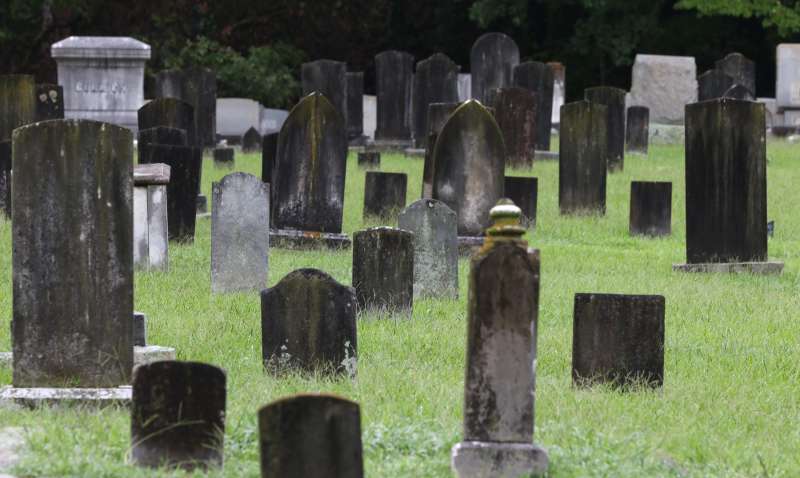
The Gastonia cemetery George Robbins looks after holds Revolutionary soldiers, Confederate soldiers, longtime church members and a few deceased people whose names he’d like to know.
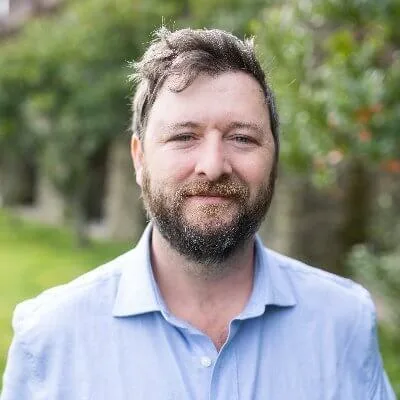
Robbins attends New Hope Presbyterian Church on South New Hope Road and has served as the cemetery’s caretaker for seven and a half years.
“Because the recognition of who they are is something. You really like to know who you’ve got on your hands.”
A history and genealogy buff, he’s spent that time mapping gravesites and cleaning headstones with soap along the way.
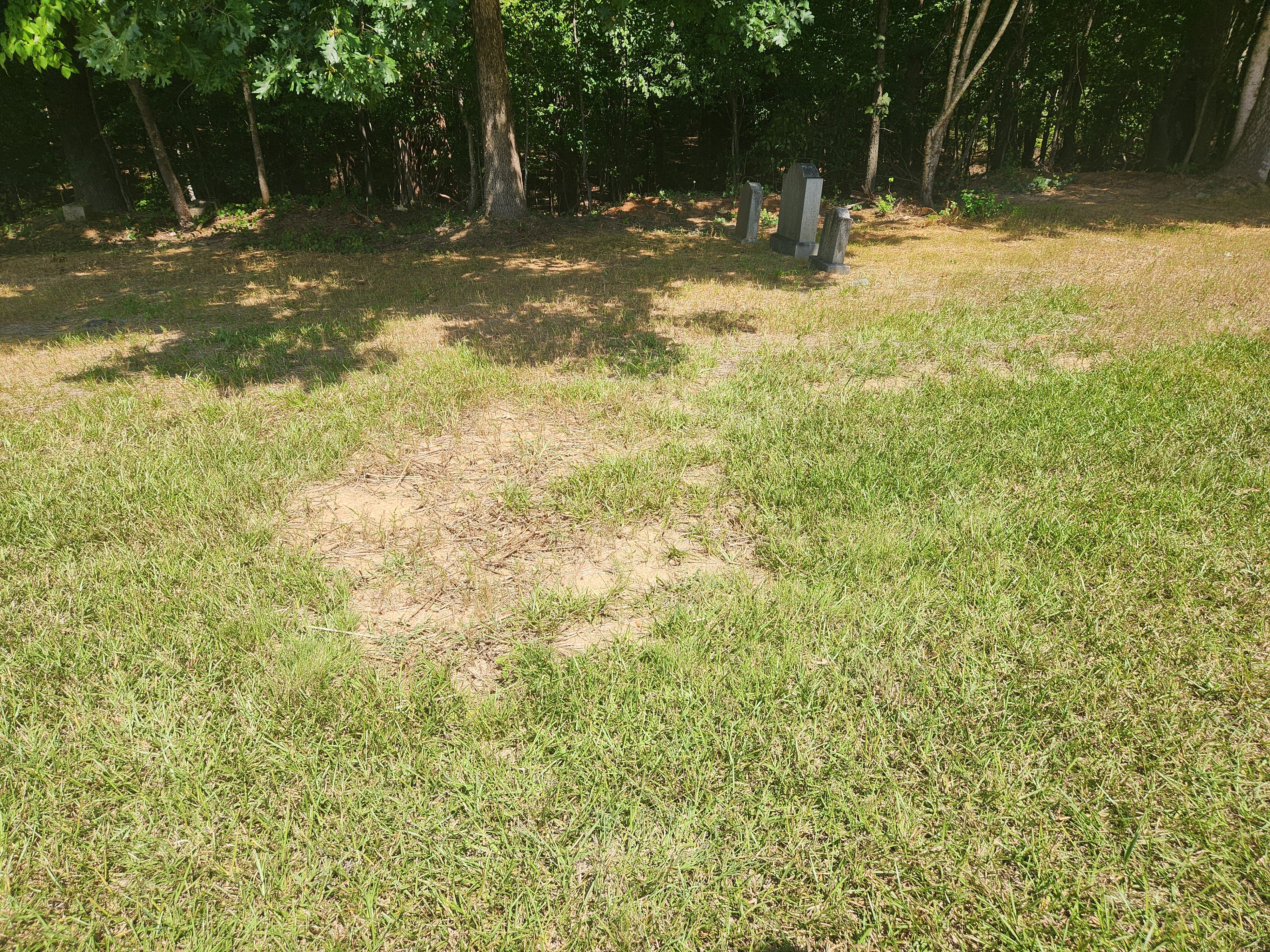
A church history book, “Hope Preserved: The Story of New Hope Presbyterian Church,” led him to a section of unmarked graves on the property and a possible connection to the 1918 Spanish flu outbreak. He’s still hunting for answers about that plot on the edge of the treeline.
For Robbins, it’s become a question of giving people back their names.
“Because the recognition of who they are is something,” he said. “You really like to know who you’ve got on your hands.”
As the state prepares to widen New Hope Road to four lanes past the church, the project could turn up even more graves — and maybe a few more answers.
How it started
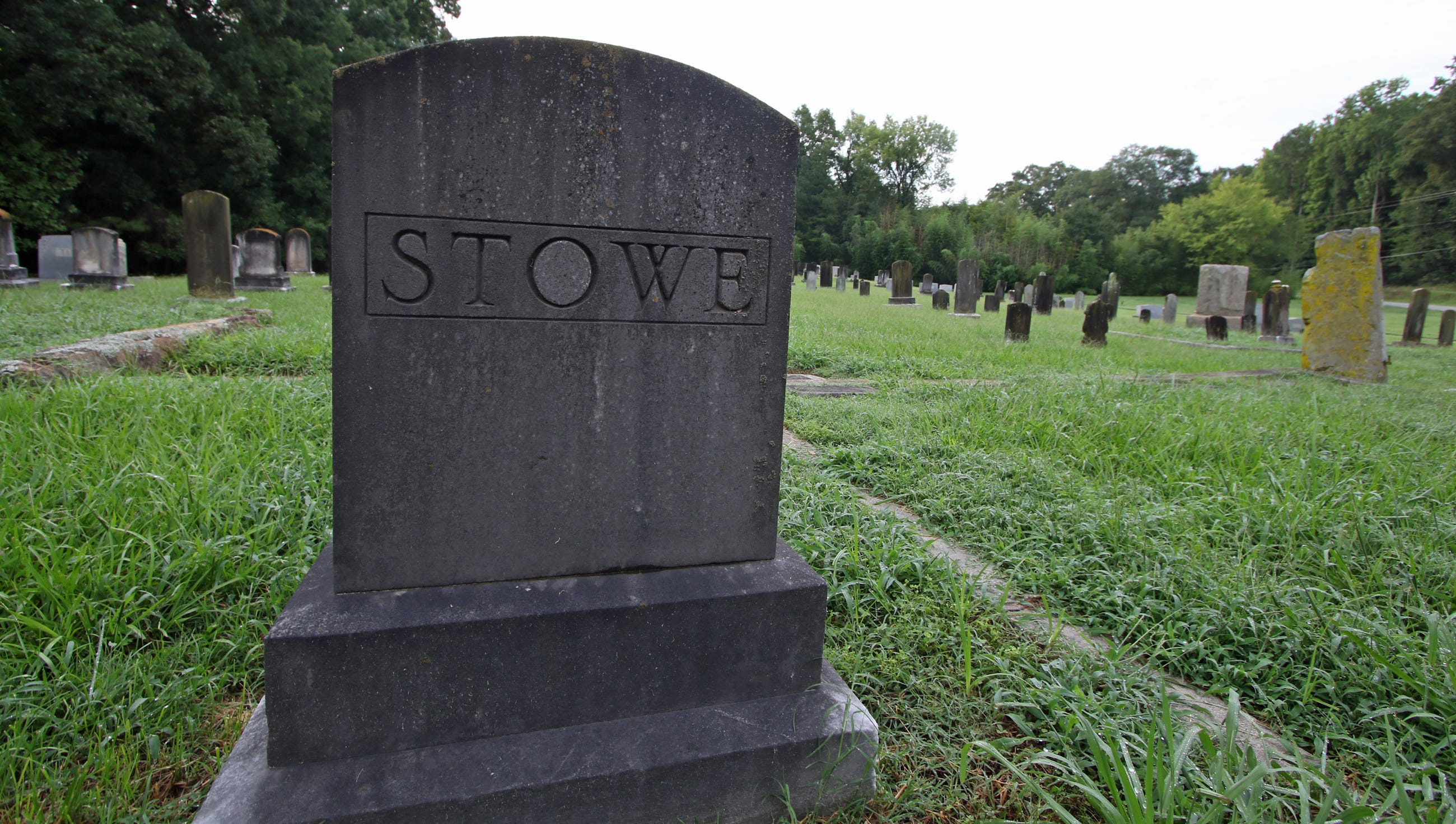
Robbins picked up the cemetery caretaker role after his predecessor stepped down from the church’s cemetery committee.
“When the guy that was doing it stepped off from the committee, I started learning a lot from him,” Robbins said. “He was teaching me how to measure out graves and everything else.”
A group of church members researching the property’s plots soon joined him.
Read More: The 9 most charming—and scenic—small towns in North Carolina
“I started looking into the cemetery for him. And then the ladies started looking into it,” Robbins said. “I said, ‘Oh yeah, we’re doing this.’ … This is good, because it’s something we want to get done.”
His research deepened after a conversation with a longtime church member, since deceased, whom Robbins credits with pointing him toward the 1918 connection.
“He knew history in Gaston County up one side and down the other,” Robbins said. “He had told me that churches across the county were required to take so many bodies by the health department just to bury them.”
That conversation pushed Robbins to go looking for county records.
“(I asked) Does anybody have records? That’s why I opened the can of worms,” he said.
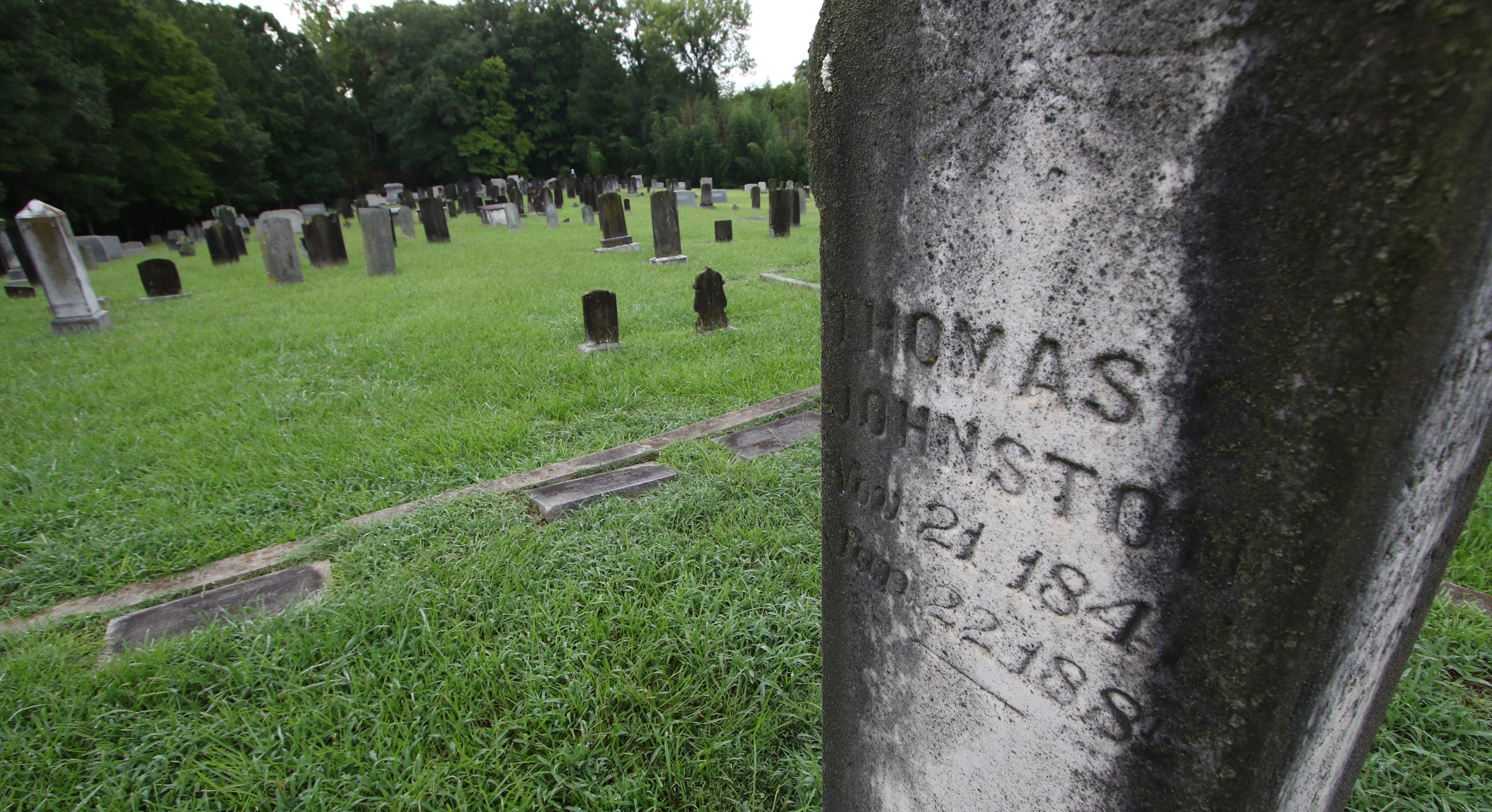
Robbins’ interest in the past extends beyond the cemetery. He’s a member of the Sons of the American Revolution, a heritage organization for descendants of Revolutionary War soldiers, and several family members — including his daughter and her husband — are active in SAR and the Daughters of the American Revolution in California. Around New Hope, his role goes beyond the graveyard, too: he handles building maintenance for the church and runs sound during Sunday services.
The Facebook post
Robbins took the search public on Aug. 14, posting in the Gaston County NC Genealogy & Local History Facebook group to ask for help identifying who’s buried in the unmarked section.
“Our church, New Hope Presbyterian Church, has a large unmarked section of burials in our graveyard,” Robbins wrote. “We have found that these persons were the result of the 1918 Spanish Influenza outbreak in Gaston County.”
The post caught the attention of Jonathan Fletcher, who works in the Gaston County Register of Deeds office, after funeral director Ronnie Lineberger of Woodlawn tagged him in it. Fletcher and his staff pulled records for the years in question.
“It’s just kind of lost to history. I think it’s important that we do things like this, even if we can’t identify every single person.”
“We went through all the records that we had for those couple of years to try and identify what we could,” Fletcher said.
But many people buried in mass graves may never have had a death certificate filed.
Read More: The BIG problem with Trump’s mail-in voting order
The influenza explanation, while plausible, hasn’t been confirmed. Fletcher checked with a colleague at the Gaston County Museum and came up empty.
“That’s just not something we’ve been able to find anything to corroborate,” he said. He noted the section could have a different origin, since churches of that era sometimes set aside burial space for enslaved people. “It could have been slaves,” he said.
Cross-referencing the names
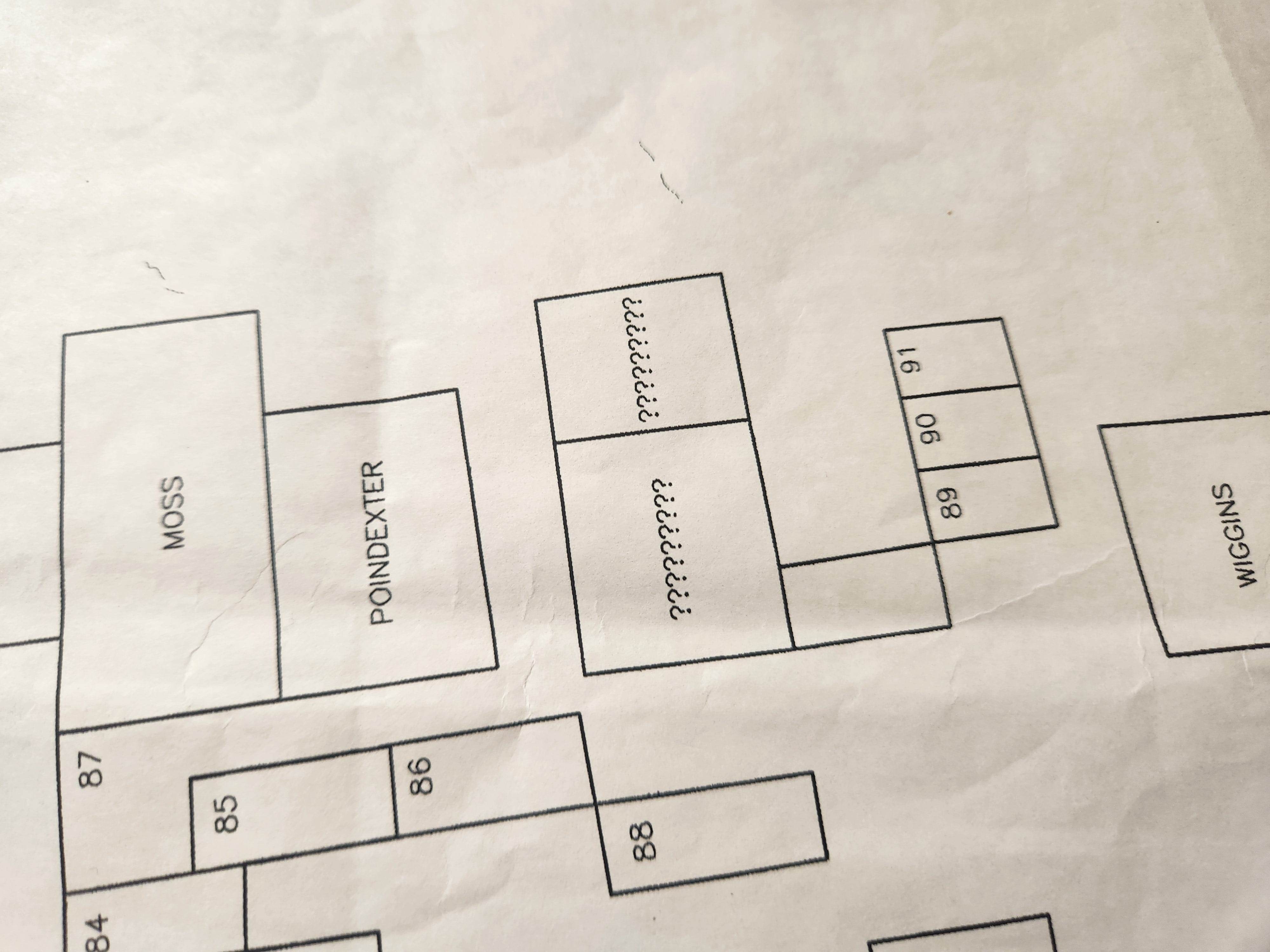
Fletcher sent Robbins a list of names his office found tied to deaths from that period, so the church can cross-reference it against its own records.
“Anyone who’s on my list that isn’t on their list, we may be able to deduce that they’re buried in that mass grave,” he said.
Robbins has already identified three people from that era he’s confident are buried at New Hope, though he believes the section holds far more graves. The work ahead is difficult, Fletcher said, given how spotty record-keeping was a century ago.
“It’s a lot of hit and miss,” he said. “He has a tall, tall task ahead of him. But with time and diligence, he’s probably going to make some headway.”
Even well-kept cemetery and county records carry the risk of transcription errors and gaps, Fletcher noted — a reminder that names on paper don’t always match up perfectly with names on the ground.
Turning to FindAGrave.com for help
Records requests aren’t Robbins’ only avenue. A researcher connected to FindAGrave.com, the online grave-locating database, reached out to the church after learning of its records project. He has documented roughly 30 cemeteries across the region, building spreadsheets tied to FindAGrave.com listings for each.
He gave New Hope the same treatment, helping link nearly 900 identified burials — 888, by Robbins’ count — to the cemetery’s Find A Grave page, work largely complete for graves recorded before the unmarked section was set aside. The mystery burials remain unlisted, with no name to attach.
Fletcher’s research has also turned up potter’s fields, informal burial grounds for people too poor or transient to afford a proper plot. At least one such site sat at North Oakland Street Cemetery in Gastonia, he said, and he’d like to see it formally marked.
“It’s just kind of lost to history,” Fletcher said. “I think it’s important that we do things like this, even if we can’t identify every single person.”
Robbins had heard New Hope was the fourth-oldest Presbyterian cemetery in the county. Fletcher confirmed the ranking roughly holds, pointing to Goshen Presbyterian in Belmont as the likely oldest overall, with Olney and Long Creek churches close behind.
The church Robbins attends is small but active, with roughly 120 to 125 active members and average Sunday attendance of 50 to 60 people, Robbins said. But it stays strong, even with a traveling pastor at times.
The cemetery once served a different kind of storytelling, too. Stuart W. Cramer High School’s Stagestruck Players drama program partnered with the site for “A Cemetery Walk Through Time,” with students playing tour guides who brought figures from Gaston County’s past to life among the headstones to raise money for the school’s theater program. That event ended two to three years ago, according to Robbins. But, he said, it was a good thing.
Change closing in
For years, people attended the church before there was a South New Hope Road, Robbins said. Later, cars and trucks came zooming past the church and cemetery. Now that road and a nearby proposed development will grow around the cemetery.
A residential development is planned on wooded land behind the cemetery — 127 single-family homes, after an earlier proposal for roughly 180 townhomes was scaled back following pushback from nearby Cramerton.
A Cramerton official said Wednesday the proposed development, Foxcroft Ridge, remains under construction document review; second submittal comments were sent to the development team in August 2025, and planning staff has not received any additional submittal documents. There’s no construction timeline at this point.
But the homes are likely coming with the road expansion. Robbins expects the new homes to be large, two-story properties, priced around $500,000 each, he’s heard.
Rather than see the development crowd the cemetery, Robbins hopes to carve out nature trails from the land. The church already maintains three, and he’s in talks with the developer to acquire adjoining buffer land to extend them, possibly linking up with trails the development itself may build.
For now, most of those buried in New Hope’s unmarked plots remain unidentified — a puzzle Robbins and Fletcher are working, from different ends, to piece back together, even as bulldozers and road crews close in on the ground around them.
“It’s amazing the history in this county that people don’t realize,” Robbins said.
The president of the North Carolina Presbyterian Historical Society agrees.
”The faithful have been worshiping with this congregation since the 1790’s, and the fact that the folks at New Hope are continuing to grow believers and dig into their past is certainly an accomplishment. Naturally, we wish George Robbins the very best as he delves into the heritage of this community through his efforts to identify those previously unidentified gravesites,” Steve McRae said in an email Thursday.
Reporting by Matthew Memrick, Special to the Gazette / The Gaston Gazette
USA TODAY Network via Reuters Connect