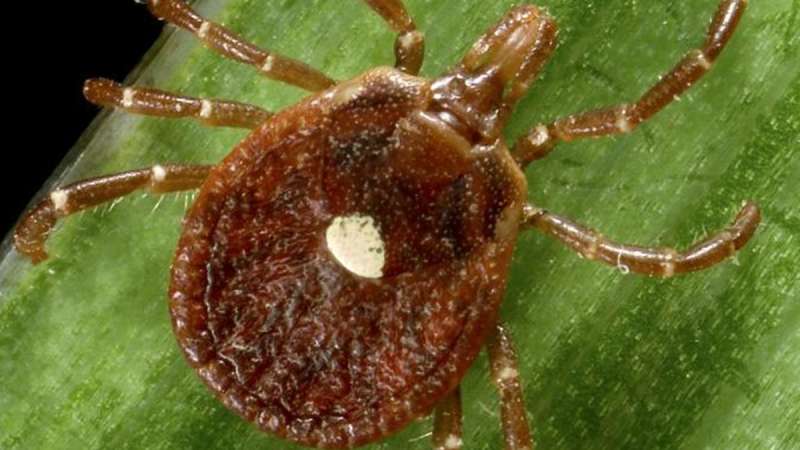
Though ticks are found year-round in North Carolina, with bites commonly occurring in the late spring, summer and fall, late spring and early summer are historically the worst months for complications resulting from bites.
The U.S. Centers for Disease Control and Prevention keeps records of tick bite data by region of the nation, with the Southeast region including North Carolina. May is typically the worst month for tick bites based on emergency department visits related to bites. In 2026, numbers were up slightly during May compared to last year.
Read More: Summer screenings in the park: Free outdoor movies across North Carolina
While numbers may tend to dip slightly in June, 2025 still saw more than 50 emergency room visits throughout the Southeastern U.S. related to tick bites. Here’s everything to know about staying safe from tick-borne diseases during the warmer months.
What are the worst months for ticks? Is May a bad month for ticks?
In 2025, in the Southeast region of the U.S., May was the month with the highest number of emergency room visits for tick bites, with a total of 61 visits according to CDC data. In 2026, May saw the highest number of emergency room visits in one month for the year so far: two more than 2025’s May count at 63 visits.
What types of ticks are most common in North Carolina?
The N.C. Department of Health and Human Services surveyed the most common species of ticks found in the Tar Heel State, tallying the number of specimens in multiple species submitted to the NC Veterinary Tick Identification Program in the past several years.
Data showed that common North Carolina species included Lone Star ticks with 419 specimens submitted, American Dog ticks with 315, Blacklegged ticks with 211, Gulf Coast ticks with 63 and Asian Longhorned ticks with 62.
What are the most common tick-borne illnesses? What are the symptoms of tick-borne illnesses?
According to the NCDHHS, several tick-borne illnesses are found in the state:
- Ehrlichiosis
- Lyme disease
- Rocky Mountain Spotted Fever (RMSF) and other Spotted Fever Rickettsial Diseases (SFR)
- STARI (Southern Tick-Associated Rash Illness)
The CDC notes that many tickborne illnesses have similar symptoms, with some of the most common including:
- Fever/chills. All tick-borne diseases can cause fever.
- Aches and pains. Tick-borne diseases can cause headache, fatigue, and muscle aches. People with Lyme disease may also have joint pain.
- Rash. Lyme disease, Southern tick-associated rash illness (STARI), Rocky Mountain spotted fever (RMSF), ehrlichiosis, and tularemia can cause distinctive rashes.
Tips on how to repel ticks in North Carolina
N.C. State University’s advice on how to prevent tick bites includes the following:
- Stay on wide, clear paths and roads, and avoid overgrown weedy areas where ticks are often found.
- Layer your clothing, including tucking your pant legs into your socks and your shirt tail into your pants.
- Wear light-colored clothing to make ticks more visible.
- Apply one of their suggested insect repellents on exposed areas of your body and to your clothing.
- Check an area for ticks before camping or picnicking by dragging a piece of white flannel cloth or clothing over grass and shrubs and then examining it for ticks.
- Examine your clothing and body at least twice each day when spending time in an area that likely houses ticks. As ticks must be attached for at least six hours to transmit Rocky Mountain spotted fever and more than 24 hours to transmit Lyme disease, frequent checks are crucial in avoiding tick-borne illnesses.
What ticks carry Lyme disease?
According to NCSU, Lyme disease is primarily carried by blacklegged, or deer, ticks. Luckily, blacklegged ticks are not generally aggressive toward humans, meaning that Lyme disease doesn’t spread as much as it might otherwise. While the disease is also found in lone star ticks, which are more keen on attacking humans, only a small number of infected lone star ticks have been collected in the Southeast.
What to do if you’re bitten by a tick; how to remove a tick
Most know that you should remove an attached tick as soon as possible after locating it. However, it’s important to remove them correctly, as improper removal can cause further complications. Here are NCSU’s tips for removing a tick:
- Use a piece of folded tissue paper or tweezers when removing ticks, as diseases carried by an engorged tick can enter even microscopic breaks in your skin.
- Grasp the body of the attached tick firmly as close as possible to your skin. Without twisting or jerking the tick, pull directly away from the point of attachment, increasing the force gradually until the tick is pulled free.
- If a part of the tick breaks off in your skin, use a sterilized needle to remove it as you would a splinter.
- Wash the bite area with soap and water and apply an antiseptic such as alcohol.
- Wash your hands thoroughly with soap and water after removing the tick.
- Mark the date of the tick bite on a calendar. If you develop any symptoms of Rocky Mountain spotted fever or Lyme disease, you will be able to tell your physician when you were bitten.
- Save the tick by preserving it in rubbing alcohol. If you can’t identify the species using NCSU’s guide or a similar one, bring the tick to your county Cooperative Extension center for identification.
Reporting by Iris Seaton, Asheville Citizen Times / Asheville Citizen Times
USA TODAY Network via Reuters Connect