Federal Cuts
-
‘Doing it with less’: More NC children than ever need free meals this summer
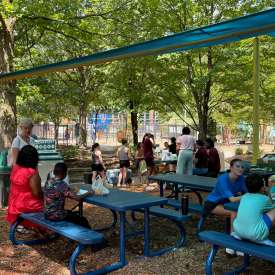
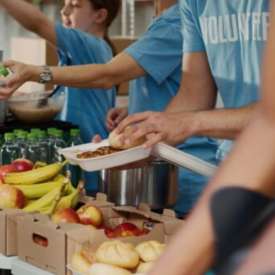
A Raleigh summer meals site that once relied on SNAP-Ed funding is now “doing it with less,” even as families face a growing summer hunger gap. With Congresswoman Ross’ visit, she and the site highlight how important nutrition education and access are for NC children.
-
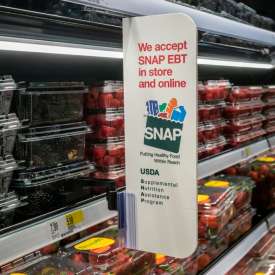
Wilson workshop takes on SNAP cuts, hunger, and county budgets for NC families
This week in Wilson, advocates will gather for a free workshop breaking down SNAP cuts, hunger, and what new federal rules could mean for families’ grocery budgets.
-
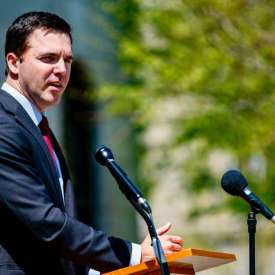
Rep. Lopez proposes $85M plan to keep SNAP running for North Carolinians
As the federal government shifts SNAP costs to states, Rep. Lopez is pushing NC HB 1071 to provide millions to help counties cover the cost.
-
How the abortion pill became a NC student’s lifeline—and a political target
Mifepristone, approved in 2000 by the FDA, is now the most common way to have an abortion. A lawsuit from Louisiana and a bill in Congress could change how—and whether—patients can get it.
-
Gas is over $4 in NC. Can solar and wind “bomb-proof” your energy bills?
Gas has climbed past $4 a gallon as the Iran war drives up oil markets and food costs. Clean energy advocates say more solar and wind projects could make monthly bills harder to rattle.
-
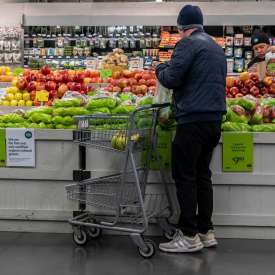
Trump says millions are ‘lifted’ off SNAP. A Charlotte nonprofit says hunger hasn’t gone away in NC
As federal work requirements expand SNAP cuts, food pantry leaders say families are still struggling to put food on the table.
-
Black farmers face uncertainty, but seeds of future planted in Carolinas
Farmers of color have lost some of the programs which had supported equity in agriculture under the Trump administration but producers are finding ways to overcome hurdles in the Carolinas.
-
NC fights back after Trump team cuts $50M in rural education funding
North Carolina Attorney General Jeff Jackson says the decision to end the funding mid-stream violates federal law and threatens critical rural education services for more than 23,000 students statewide.
-
North Carolina faith leaders, advocates outline legislative wish list ahead of 2026 session
As the General Assembly prepares to return for a session this spring, North Carolina faith leaders and advocacy groups urged legislators to prioritize public education, affordable health care, and fair voting maps.
-
When federal research cuts rocked RTP, one woman built a bridge for jobseekers
After losing her job of 25 years at a major NC research institution, Tamara Terry found clarity and a new purpose helping others navigate an unforgiving job market.