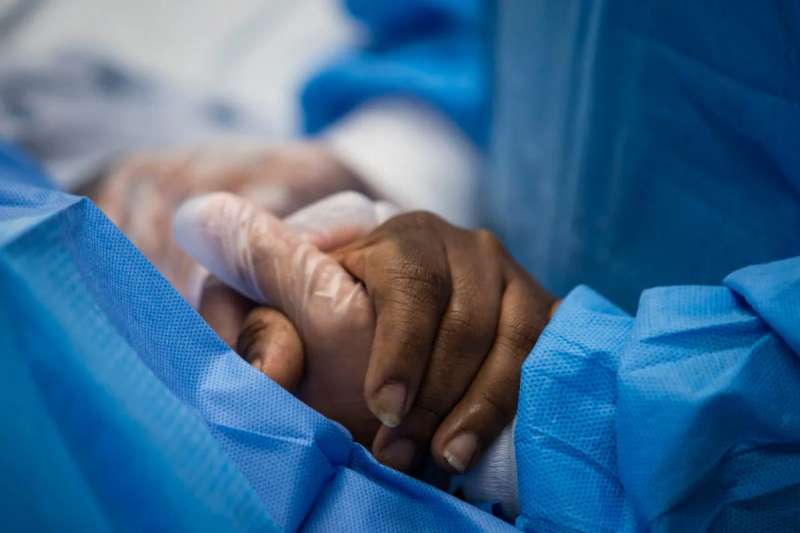
Just 20% of NC’s hospital beds are available, but experts say the system is flexible enough to shift priorities if coronavirus cases spike.
Hospitalizations for COVID-19 patients are at an all-time high since the pandemic began.
That’s left only 20% of hospital beds, and even fewer ICU beds, open, according to data put out Thursday by the N.C. Department of Health and Human Services.
Time to panic, right?
Not necessarily, though the increasing numbers of cases and hospitalizations has public health experts in the state worried.
“It was our highest day yet of hospitalizations, I continue to be concerned,” NC DHHS Secretary Mandy Cohen said Wednesday afternoon, another day of high hospitalizations. “It is a reminder that COVID-19 is still a powerful threat, and that this virus is going to be with us for some time.”
North Carolina had another record-breaking day Thursday, with 812 people hospitalized, up from 780 the prior day and an increase of nearly 30% from Memorial Day, according to NC DHHS data.
North Carolina is also one of nine states seeing COVID-19 hospitalizations numbers climb since the Memorial Day weekend. With more COVID-19 patients being treated, the increase is chipping away at the overall capacity and available ICU beds, one of the metrics used by the state health department to gauge the state’s response to infectious disease.
But given the challenges in ensuring widespread testing, hospitalizations serve as a metaphoric canary in the coal mine for doctors like David Wohl, an infectious disease doctor at UNC Health.
“We’ve not flattened the curve,” Wohl said in a briefing with the media earlier this week.
Still plenty of capacity to treat COVID-19
Though the steady increase in COVID-19 hospitalizations is worrisome, the state’s hospitals are not facing capacity issues, said Tatyana Kelly, the vice-president for planning, strategy and member services for the NC Healthcare Association, which represents the state’s hospitals.
Hospitals tend to operate as close to full capacity as possible during non-pandemic times, Kelly said.
“They are fairly lean organizations and work to make sure that they don’t have waste in the system,” she said.
Kelley said statewide capacity numbers, which currently show only about 20% of the state’s hospital beds are open, reflect the less-restrictive shift in the state’s response to COVID-19. In addition to reopening many retail businesses and restaurants in the state, hospitals restarted routine and non-essential surgeries halted during the initial response in case there were surges of COVID-19 cases.
RELATED: NC’s Worst-Case COVID Plan Could Be Devastate Those with Pre-Existing Conditions
That surge didn’t happen, and hospitals have since begun to start those scheduled procedures back up again to deliver needed care, Kelly said. That means there are fewer beds available overall, but hospitals are prepared to again shift priorities if they see climbing COVID-19 numbers.
“They have developed plans to be very flexible with their spaces,” Kelly said.
That includes standing up respiratory therapy clinics, converting wings of hospitals to ICU wards or setting up triage tents outside of hospitals to separate potential coronavirus patients from others seeking emergency care.
Cohen, NC DHHS’ Secretary, wants people to be cautious when it comes to COVID-19, and get tested if they’re showing symptoms or have been in large groups such as protests.
“Make sure you get tested when it’s needed and stay home and away from others if you have COVID-19, or if you’ve been exposed,” she said.