Reporting by Gareth McGrath, USA TODAY NETWORK/Wilmington StarNews
Researchers at NC State University have solved the mystery of what has been attacking blueberry bushes across Southeastern North Carolina.
Now comes an equally hard part − coming up with a treatment plan.
Since first observed around 2010, farmers and researchers were stumped over what pest was eating the roots of blueberry bushes.
Answering the question was more than just scientific curiosity. Blueberries are big business in North Carolina, especially in the state’s southeastern corner. In 2023, the production value of the state’s 54 million pounds of blueberries grown on 9,300 acres was nearly $105 million, according to the US Department of Agriculture. That represented 8.5% of the nation’s crop, ranking North Carolina 7th in U.S. blueberry production.
As the larvae feed on the roots, the blueberry bush slowly starves. But the rot doesn’t happen quickly or uniformly, and a bush can remain productive up until the die-off take over most of the plant. While officials don’t recommend that one infested plant requires an entire field to be removed, a larvae infestation can last for years, making a long-term eradication plan challenging.
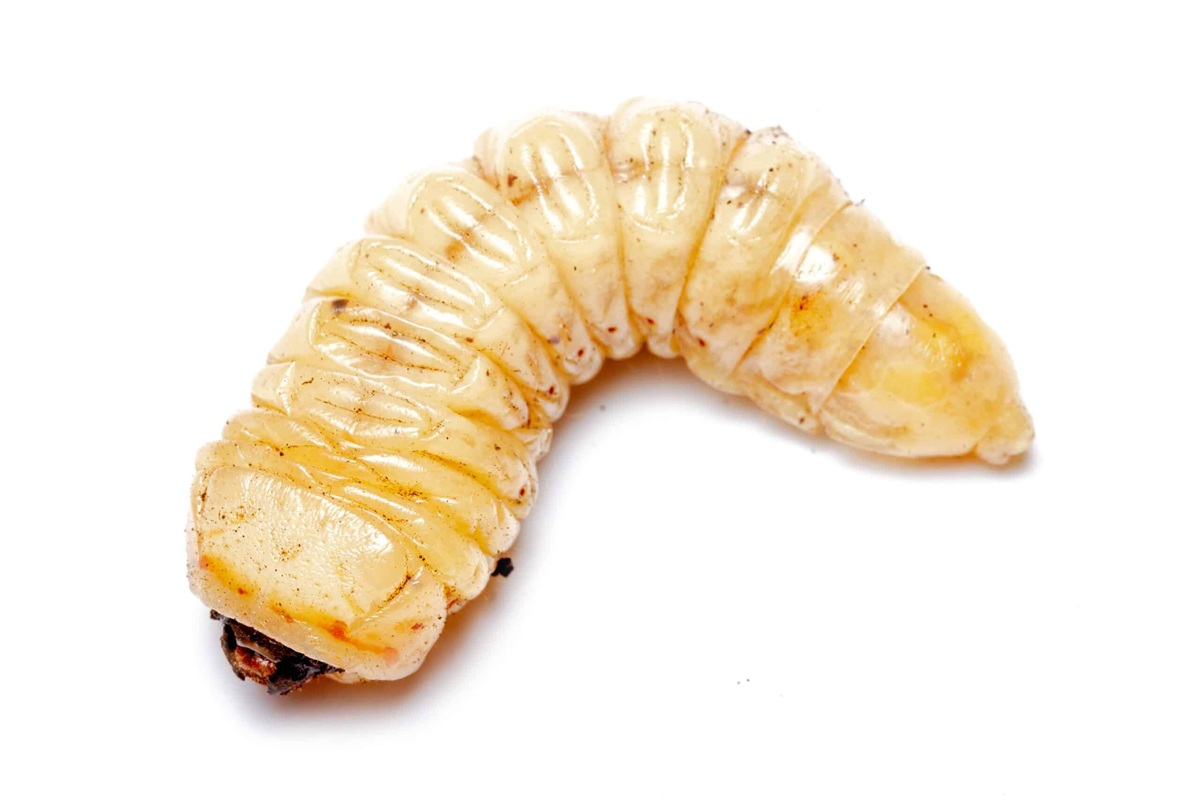
The Tar Heel State is the first state to report the beetle actively feeding on blueberry bushes. But identifying the specific species responsible proved difficult because, first, the larvae live near the roots of plants, and second, different species of longhorn beetle larvae look similar.
That led researchers to trap adult beetles from blueberry farms in New Hanover, Pender, Sampson and Bladen counties. They then took genetic sampling from different beetle larvae to check it against DNA from the trapped adult bugs.
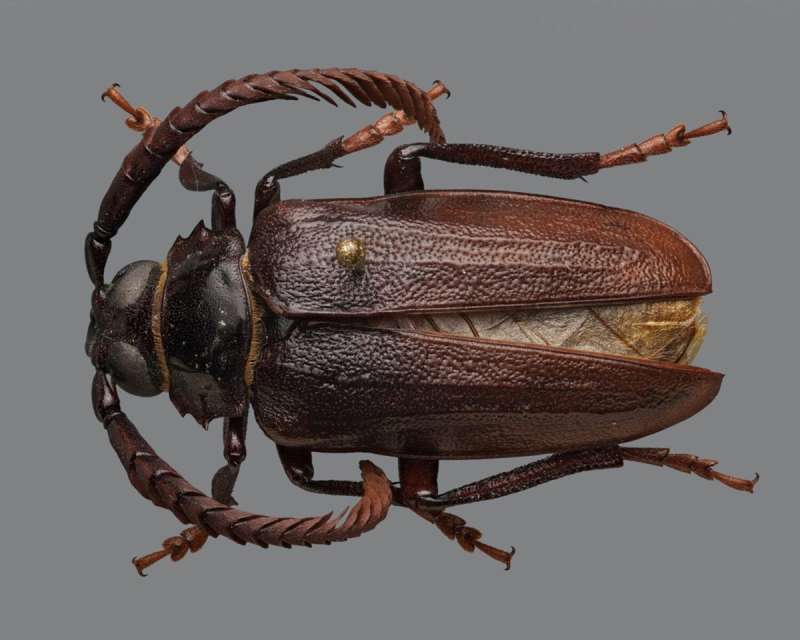
The end result was that they were able to identify the culprit pest as Prionus imbricornis, a native species of longhorn beetle.
“But since North Carolina was the first state to ever report a longhorn beetle infestation in blueberries, there are no insecticides currently labeled against this pest in blueberries,” said Dr. Lorena Lopez, an integrated pest management specialist at NC State.
Researchers are now conducting trials to see which treatments work the best in controlling the beetles without impacting other, often beneficial insects. The best time to apply any treatment, since the damage to crops is done by the larvae, not adults, which don’t eat, also is being studied.
Another question researchers are trying to answer is just why this species of longhorn beetle has decided to start going after blueberry bushes.
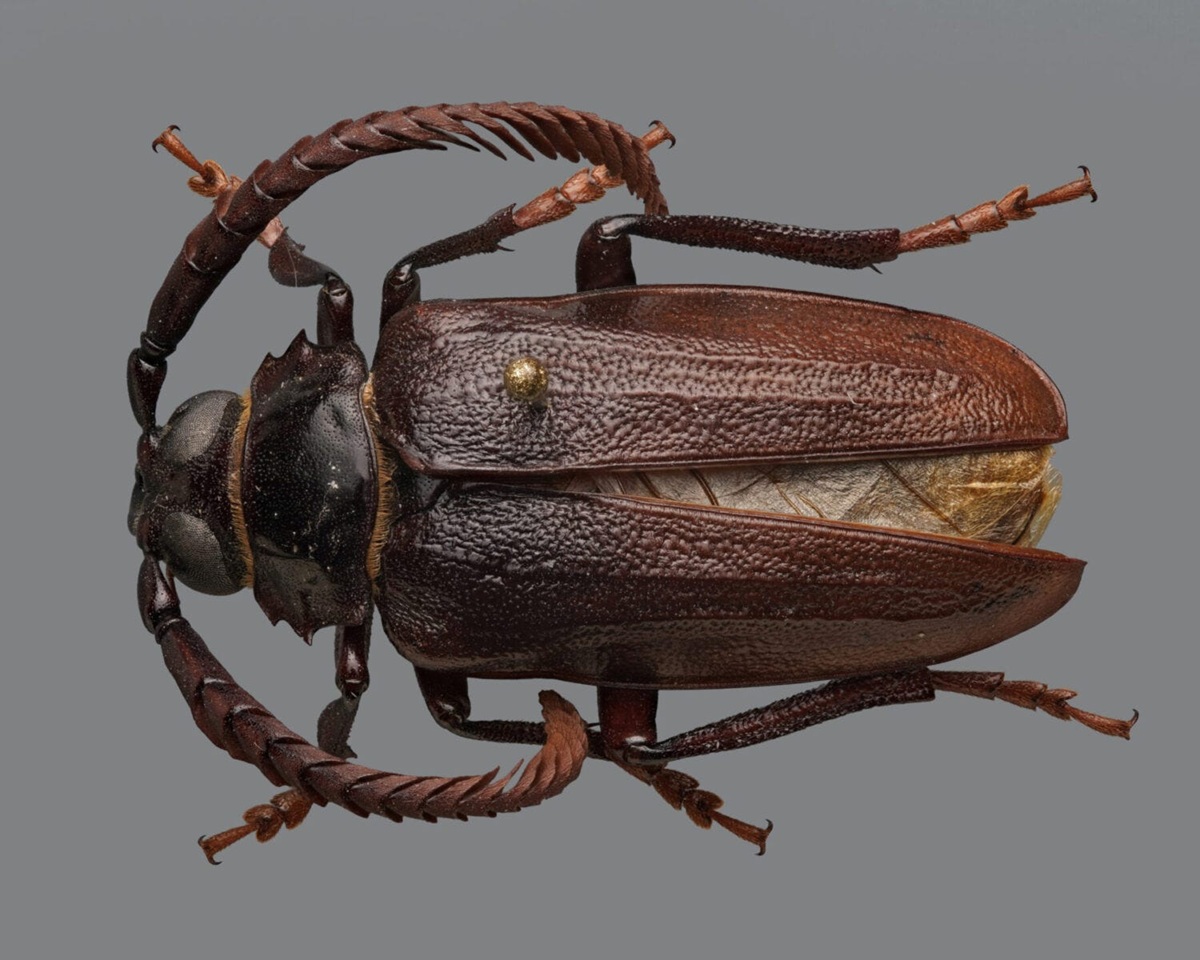
Kenneth Giesert, a graduate student in NC State’s College of Agriculture and Life Sciences who worked on the blueberry pest study, said longhorn beetles are normally found on hardwood trees where they bore into trunks, roots and tree limbs. They especially like to focus on stressed, dead or dying trees, where they help them break down and decompose.
One theory is that as climate change makes the weather increasingly unpredictable, with wild swings in temperatures and rainfall, it is stressing the blueberry bushes. That might have made the weakened bushes suitable hosts for the beetles, Giesert said.
“These longhorn beetles generally attack only really dead trees,” he said, “so that’s why it was so interesting to find them in blueberries.”
Lopez echoed the sentiment.
“We would like to know at some point why and where these beetles are coming from,” she said. “And why are we only seeing this in North Carolina. That’s a key question.”
A paper, “Prionus imbricornis (Coleoptera: Cerambycidae), an emerging pest in North Carolina blueberries,” on the research study was published in June 2026 in the Journal of Integrated Pest Management.
Reporter Gareth McGrath can be reached at GMcGrath@usatodayco.com or @GarethMcGrathSN on X/Twitter. This story was produced with financial support from Journalism Funding Partners. The USA TODAY Network maintains full editorial control of the work.
This article originally appeared on Wilmington StarNews.
Related: This massive development could change the NC beach town of Oak Island