Reporting by Kara Fohner, Asheville Citizen Times
Frances Tacy is preparing for a fight.
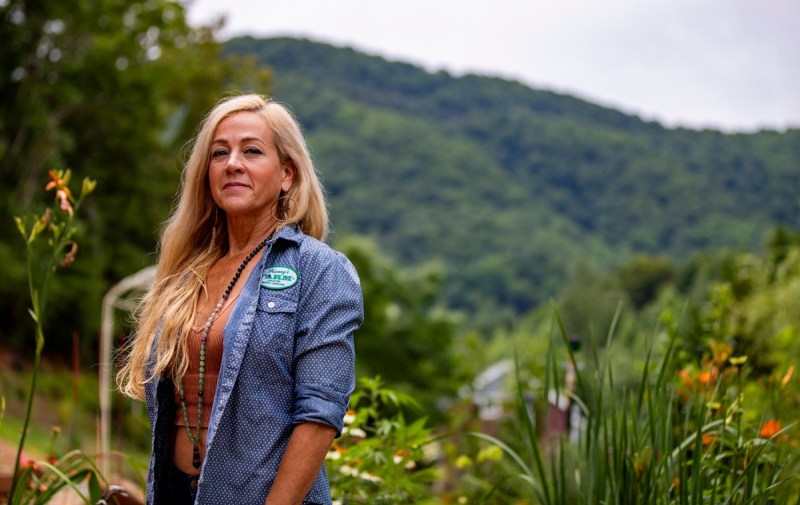
Tacy, the founder and CEO of Franny’s Farmacy in Asheville and North Carolina’s first female hemp farmer, is steeling herself for the impact of federal legislation enacted Nov. 12, 2025, closing a loophole that legalized intoxicating hemp products.
Hemp was legalized nationwide by the 2018 Farm Bill, which created a federal category for hemp, defined as cannabis containing no more than .3% delta-9 THC. An unintended effect of the law is that, while it focused on delta-9 THC, other hemp-derived tetrahydrocannabinol, or THC, products became legal.
THC is the substance that is primarily responsible for marijuana’s trademark psychological effects. Hemp is a plant related to marijuana that produces THC at a much lower level.
Starting in November 2026, however, hemp-derived THC products will again be considered a controlled substance, effectively shuttering a multi-billion-dollar industry, according to dispensary owners and industry experts.
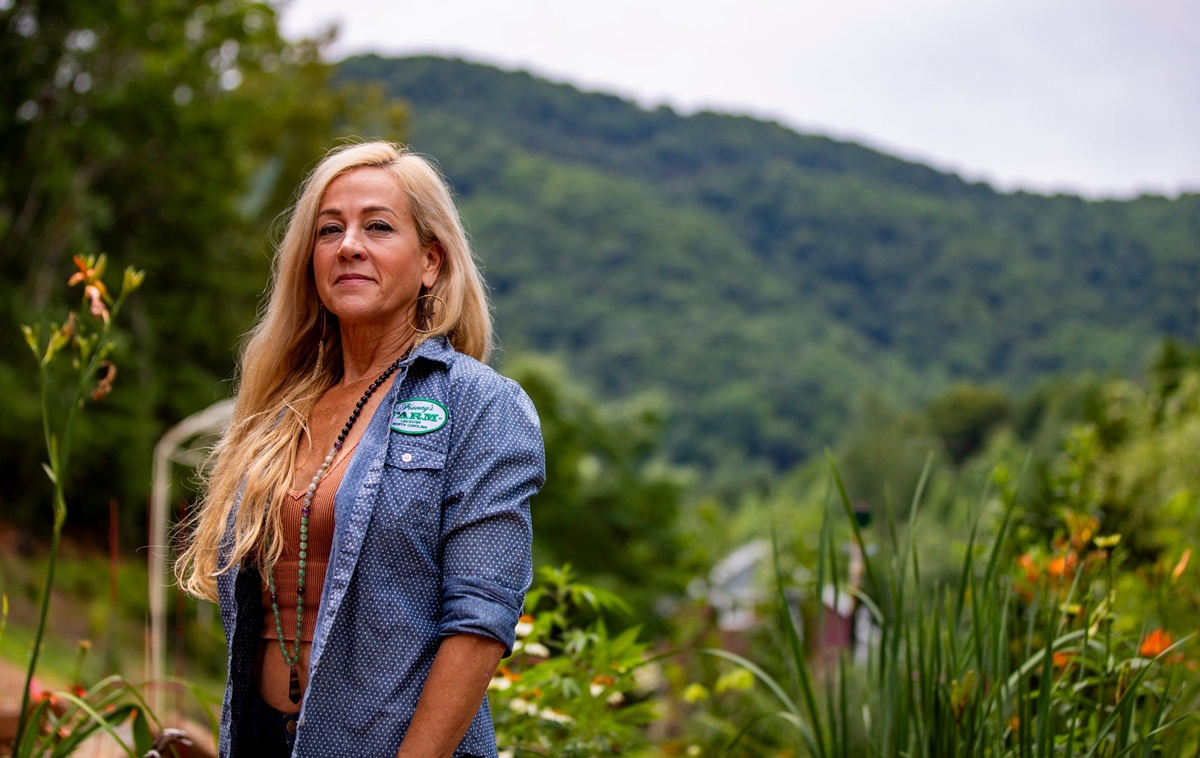
“I’ve spent years helping build North Carolina’s hemp industry, and I intended to fight for its future,” Tacy told the Citizen Times June 24. “We will work alongside legislators, regulators and lobbyists to create sensible pathways that protect consumers while preserving agricultural opportunity and economic growth.”
Recreational marijuana remains illegal in most of North Carolina. The exception is within the Qualla Boundary, where the Eastern Band of Cherokee Indians voted in 2023 to legalize recreational marijuana within their territory.
In 2024, the Great Smoky Cannabis Co. dispensary opened in Cherokee, North Carolina, becoming the only place in North Carolina where anyone can get legal recreational marijuana.
But after the 2018 Farm Bill legalized hemp, a thriving industry sprang up across North Carolina, with intoxicating hemp products now available at dispensaries, gas stations and smoke shops across the state.
Rod Kight, an Asheville attorney whose legal practice specializes in cannabis, said the impact on the federal ban will have a devastating impact on Western North Carolina.
“What it does is it limits the allowable milligrams of THC to .4%,” Kight said. “Which definitely will ban anything that’s intoxicating in terms of hemp. What’s not widely understood is that it will actually kill the entire hemp industry.”
Kight said that the issue is that even non-intoxicating products, like CBD, have to be processed from hemp, and during that process, the THC levels are concentrated. That concentration of THC, even if it’s going to be disposed of, is still illegal, so there’s no legal way to make even non-intoxicating hemp products under the legislation, except possibly getting raw ingredients from Europe.
Hemp law could cause ‘black market,’ business model changes
Josh Lardie, chief compliance officer and director of governmental affairs for Apotheca, a dispensary chain with 55 locations in North Carolina, including at least seven shops in the Asheville area, said that in North Carolina the hemp industry is a $4 billion to $5 billion dollar market that’s generated around 16,000 jobs. Apotheca alone employs around 400 people in North Carolina, Lardie said.
“If we were to start preparing for an imminent shutdown, employees would lose everything,” Lardie said. “No paycheck, no health insurance. … And that’s not something we can lightly do.”
He said that in response to the impending federal ban, Apotheca has slowed opening new stores. He said that Apotheca leadership is optimistic that there may be a legal fix, but the company will comply with the law if the ban takes effect. Ideally, Lardie said, North Carolina will legalize and regulate hemp.
“We don’t want to put our employees or our consumers in harm’s way, but we want to fully comply with the law,” Lardie said. “Laying off (employees) is going to be one of our last options. It’s not something we take lightly.”
Tacy said that if deemed illegal, the demand for hemp will create an “intensely thriving black market.”
“We have an entire population ― pets, elderly — that are taking CBD … and they’re going to fight it too,” Tacy said. “The whole country is ready to see this regulated.”
Nick Strauss, co-owner of Skyland Cannabis Co. on Eagle Street in downtown Asheville, said that he believes that his business will be able to remain open, despite the federal ban, because of the law in North Carolina.
Following the passage of the 2018 Farm Bill, North Carolina removed hemp from the state list of controlled substances.
“I think we’re going to have to change our business in a lot of ways. We’re going to have to stop shipping items out,” he said. “I do think I’m going to be able to keep our brick and mortar doors open as long as it’s legal in North Carolina.”
Kight said that despite the fact that hemp isn’t a controlled substance, North Carolina does not have a regulatory framework for hemp, and this could create a problem, Kight said.
“The short answer is that no one knows what will happen if the federal hemp ban goes into effect while NC hemp laws remain unchanged,” Kight said. “This will create a dynamic similar to the current adult-use marijuana states where marijuana is state-legal but federally illegal.”
He said that federal law enforcement can enforce federal marijuana laws against state-legal marijuana operators, but that rarely happens because those states regulate marijuana.
“On the other hand, NC lacks any hemp regulations. Therefore, it is conceivable that the feds will enforce federal law against state-legal hemp operators in NC, as the lack of state regulations might lead the feds to deem intervention necessary,” Kight said via email.
“Also, even if the feds choose not to intervene, the entire hemp supply chain, from seed to sale, would need to occur within the state. Since the hemp industry is national in scope, this may pose a challenge.”
Could NC legislation save hemp industry?
Thomas Swafford, the manager of Realbudz, a dispensary on Patton Avenue in downtown Asheville, said that he’s been involved in the North Carolina hemp industry for four years. He said he is optimistic the ban could be delayed, but in the worst-case scenario, “We would absolutely morph and change the way we do things,” he said.
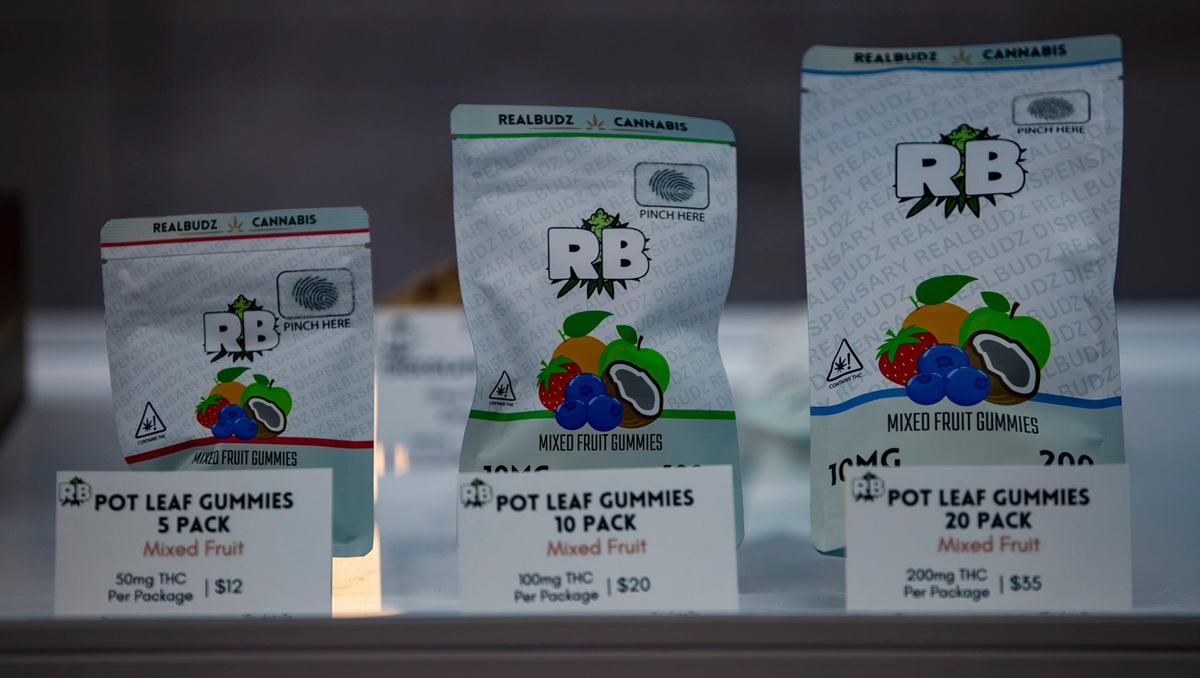
But the ban would effectively eliminate the most significant part of their shop ― hemp flower, which he said brings in around 75% of their profits.
“The whole essence of the business would probably end up having to change,” he said.
He said that he also is hoping North Carolina will legalize hemp so that they can “maintain what we’re doing in order to get the plant to the people.”
But Kight said that the odds of a last minute save are low.
“In my estimation, it’s maybe a 20% chance that it’s going to be saved, and the reason has everything to do with Congress,” he said.
He said there are multiple bills that could be passed that would save the hemp industry. A draft report from Gov. Josh Stein’s Advisory Council on Cannabis listed the Hemp Enforcement, Modernization and Protection Act that was introduced as an alternative to a ban on THC products. The legislation would permit the sale of consumable hemp products to adults over age 21. The bill would also impose regulatory requirements for the sale of hemp, according to the report.
In addition, the Hemp Planting Predictability Act would postpone the THC ban by two years.
Kight said that the existing bills don’t have the support in Congress to pass.
“A lot of politicians don’t see the hemp industry as an important group, despite its size,” he said.
Stein announced the advisory council in June 2025. The intent of the council is to recommend an approach to regulating cannabis sales in North Carolina. In the interim report, the council recommended legalizing and regulating marijuana, adopting an approach that regulates products based on total THC content, rather than regulating marijuana and hemp separately.
“This approach recognizes that the plant source is irrelevant and should not drive different treatment when the intoxicating compound is the same,” the report states.
Kight said that hemp is a wellness industry, and the plant helps consumers with a wide variety of ailments. People use hemp-derived products to treat pain, anxiety and insomnia, among other conditions. He said that the ban will “pull that plant medicine away from people and turn them into criminals if they continue using it.”
“Everyone has hope. … But certainly everyone who is thinking about this and who is involved in the industry is absolutely bracing for the ban to go into effect,” Kight said.
Kara Fohner is the Public Safety Reporter for the Asheville Citizen Times. Email her at kfohner@usatodayco.com.
This article originally appeared on Asheville Citizen Times.
Related: Opinion: On marijuana, North Carolina needs to join the 21st century