Reporting by Gareth McGrath, USA Today Network/Wilmington StarNews
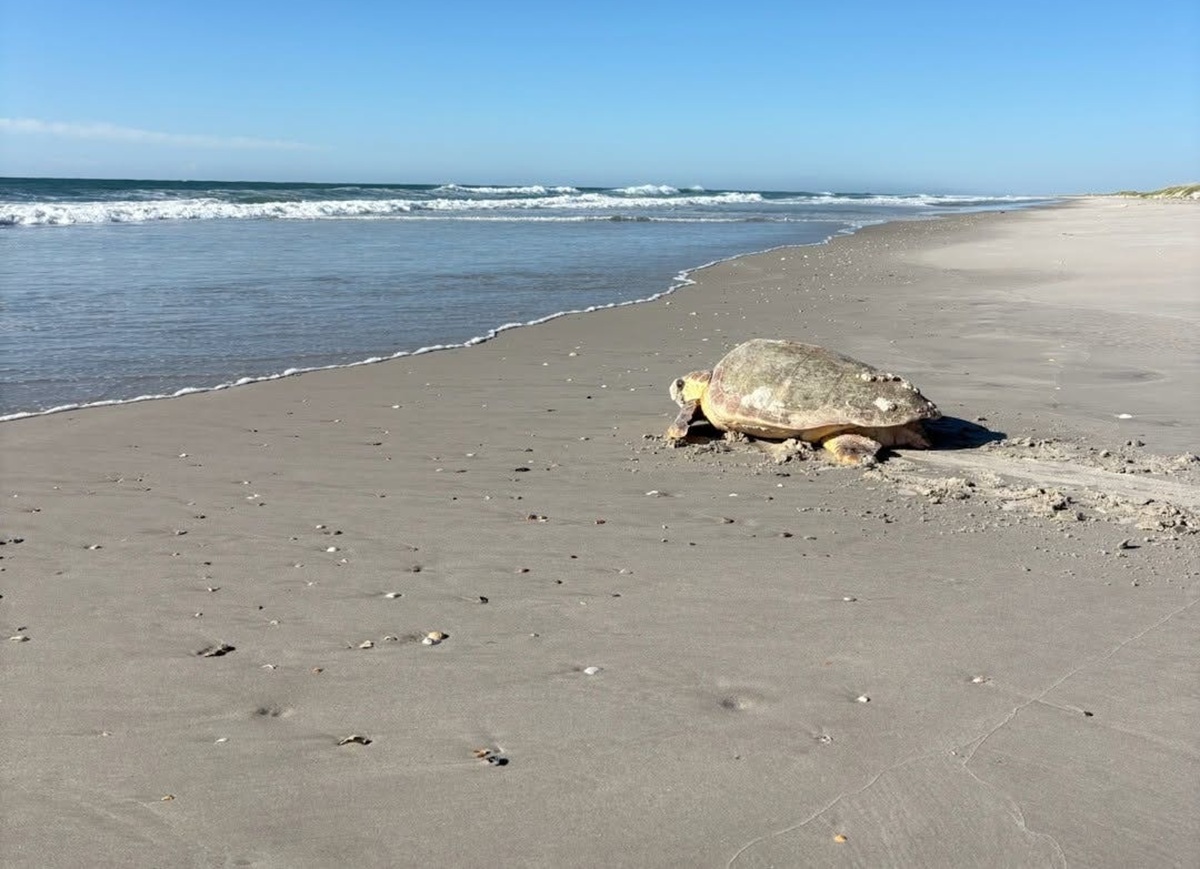
The height of summer along the N.C. coast means several things: People hitting the beach for a vacation; steaming and sticky temperatures; the occasional pop-up afternoon shower; and female sea turtles lumbering ashore looking for a place to nest.
But sharing the beach can be a challenge, with the deck largely stacked against coastal wildlife as the lure of sand and the ocean keeps attracting more and more people to the N.C. coast − never mind the other obstacles sea turtles face in the wild off the beach.
While adapted to dealing with soaring temperatures, climate change is another growing challenge the marine reptiles face that could have significant impacts on the species’ future.
Here’s a mid-season look at sea turtle nesting in North Carolina, which represents just about the northern range of the animal’s nesting habitat.

Nesting so far in 2026
Sea turtle nesting season in North Carolina occurs from May through September. Female sea turtles emerge from the ocean at night, and using their flippers, dig an 18-inch-deep hole that will serve as the nest where she will deposit 80 to 120 eggs. After laying the eggs, she covers the nest and returns to sea.
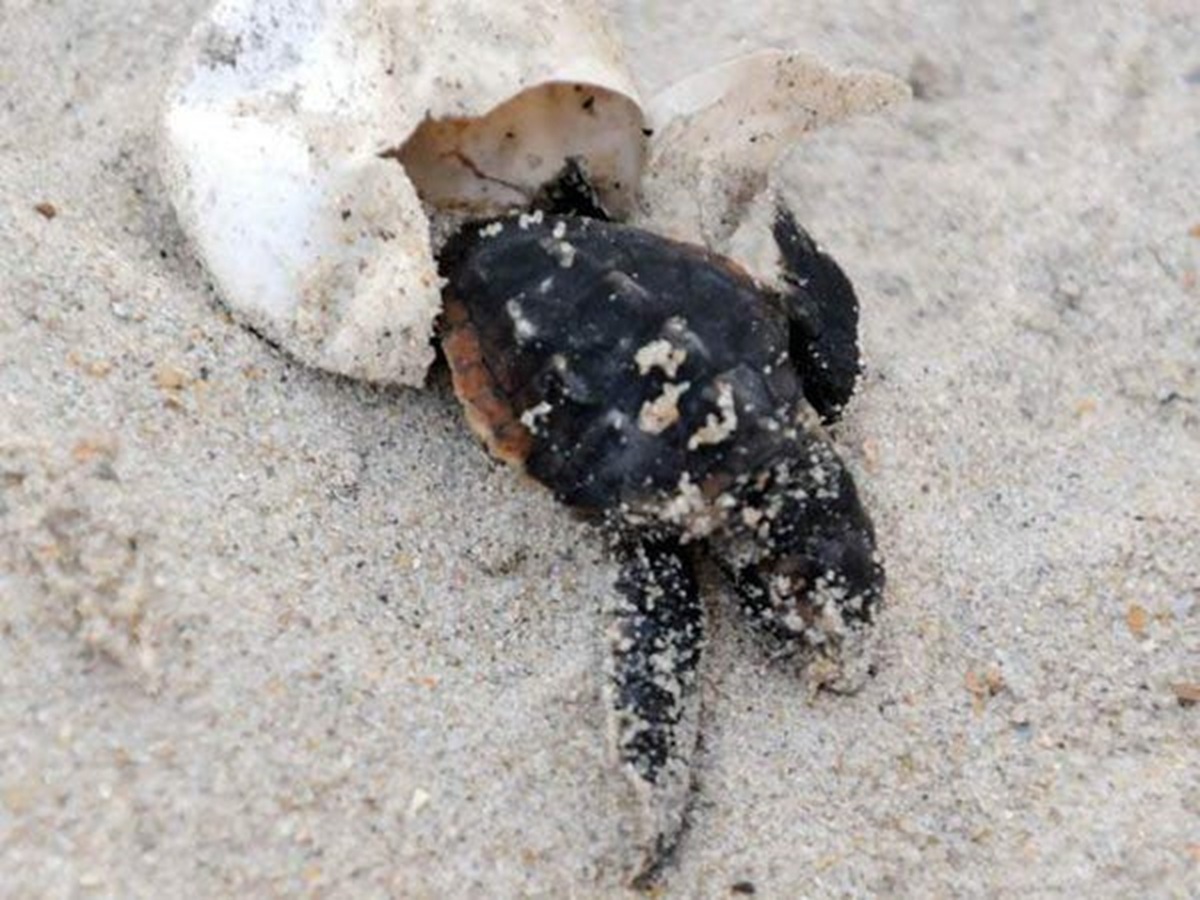
After about a 60-day incubation period, the hatchlings emerge and make their way to the ocean. Only about one in 1,000 hatchlings will live to reproduce.
Through July 2, 2026, North Carolina beaches had been busy, with sea turtles laying 1,054 nests, representing an estimated 36,107 eggs, according to statistics compiled by the N.C. Wildlife Resources Commission. As usual, the vast majority of nests are from loggerheads, with a handful of green and leatherback nests thrown in there.
Areas with the most nests were Cape Hatteras National Seashore, Cape Lookout National Seashore, Oak Island, Topsail Island and Fort Fisher State Recreation Area. The first nest, surprisingly a leatherback, was recorded April 28 in Atlantic Beach, Carteret County.
In 2025 North Carolina recorded 1,088 nests, with the first one recorded on Topsail Island on May 8, 2025. The first nest to emerge was a Kemp’s Ridley nest on Ocean Isle Beach on July 10, 2025.
The state saw 1,385 nests in 2024, and 1,723 nests in 2023. That means 2026 is off to a generally strong start for the turtles, which have federal and state protections − although nest numbers can be highly variable from year to year.
Challenges mother and baby sea turtles face
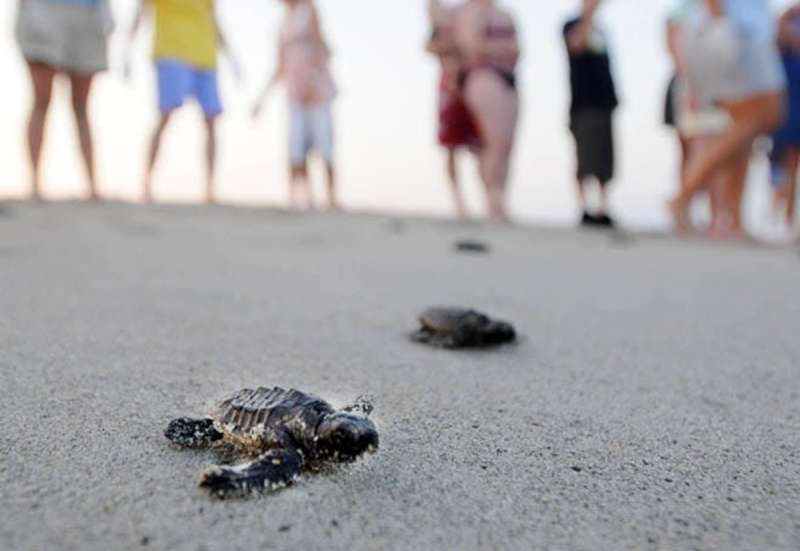
Natural predators and excited, curious humans are some of the challenges turtles face while trying to nest.
Officials recommend viewing a sea turtle on the beach from a respectful distance. Nests also are marked to keep humans a safe distance away and often covered in anti-predator cages to prevent foxes, coyotes and raccoons from digging them up.
Occasionally, nests also are relocated if they are buried in areas suffering from severe erosion or if threatened from overwash by storms.
Even if a mother successfully nests and the hatchling emerge from the sand, the challenges aren’t over.
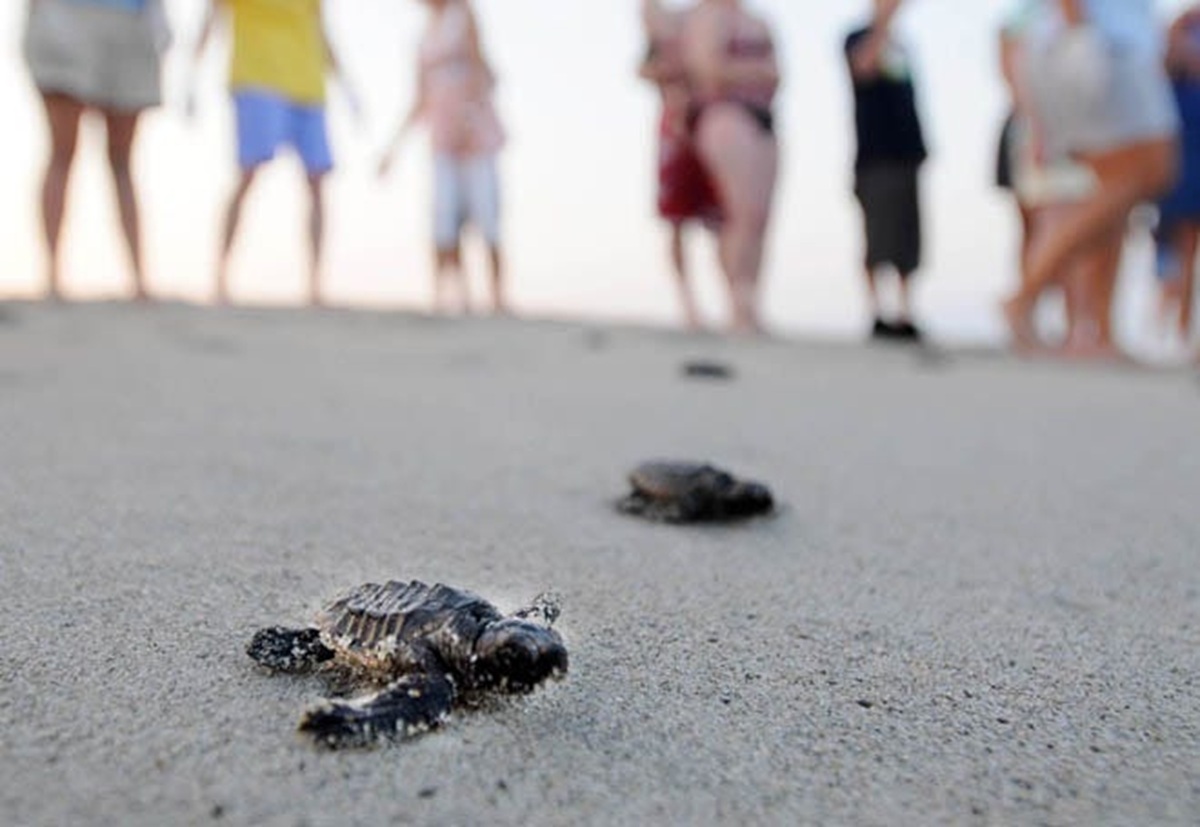
One of the biggest threats baby sea turtles on the beach face is beach lighting. Lights can not only disorientate the nesting female as she comes ashore, but also hatchlings as they move toward the brightest light they see when they come out of their nest. In a perfect world, that should be the moon or the stars as they make their way toward the ocean.
And it isn’t just exterior lighting that is a problem. A recent study on Topsail Island found 57% of the light pollution came from interior lights − a major concern since many oceanfront homes don’t have shades or curtains on their ocean-facing windows. Factor in a rotating mix of residents as vacationers cycle on and off the island almost weekly and it’s a constant battle for the turtle volunteers and others to get the message about lighting out there.
How rising temperatures could impact sea turtles
Climate change also is a growing concern among turtle researchers. On the beach, the warming weather is increasing sand temperatures, which helps determine the sex of hatchlings as the buried eggs incubate. If the beach is warmer than 89 degrees, most of the hatchlings will be female; if it’s cooler more will be male.
For a long time, researchers have believed that the cooler beaches in the Carolinas produced males to mate with the female-heavy hatchlings produced by the warmer beaches in Florida and along the Gulf Coast. But what will happen if all the country’s beaches get so warm that the vast majority of hatchlings are female?
A warming climate, which scientists are predicting for North Carolina in the coming years, also could impact when sea turtles nest, prompting turtles to lumber ashore earlier than the traditional May start date.
Tips if you see a nesting sea turtle
Here are some recommendations by the state wildlife commission on how beach visitors can help protect sea turtles during nesting season.
- Minimize beachfront lighting by turning off, shielding or redirecing lights away from the beach.
- Close blinds and curtains in oceanfront rooms at night to keep indoor lighting from reaching the beach.
- Remove chairs, umbrellas, beach toys and boats from the beach at night so they don’t interfere with nesting sea turtles or hatchlings.
- Use your natural vision and moonlight when walking the beach at night.
- If you encounter a sea turtle on the beach, remain quiet and still and observe from a respectful distance.
- If you encounter tracks on the beach, leave them alone. Researchers use them to determine the species of nesting turtle and to locate nest sites.
- If you come across a sea turtle or a nest, contact the beach’s local sea turtle monitoring organization. Contact information for the groups is available at nc-wild.org/seaturtles/contacts, or call the statewide sea turtle hotline at 252-241-7367.
Reporter Gareth McGrath can be reached at GMcGrath@usatodayco.com or @GarethMcGrathSN on X/Twitter. This story was produced with financial support from Journalism Funding Partners. The USA TODAY Network maintains full editorial control of the work.
This article originally appeared on Wilmington StarNews.
Related: Saving homes or beaches? Potential NC seawall ban raises rough questions