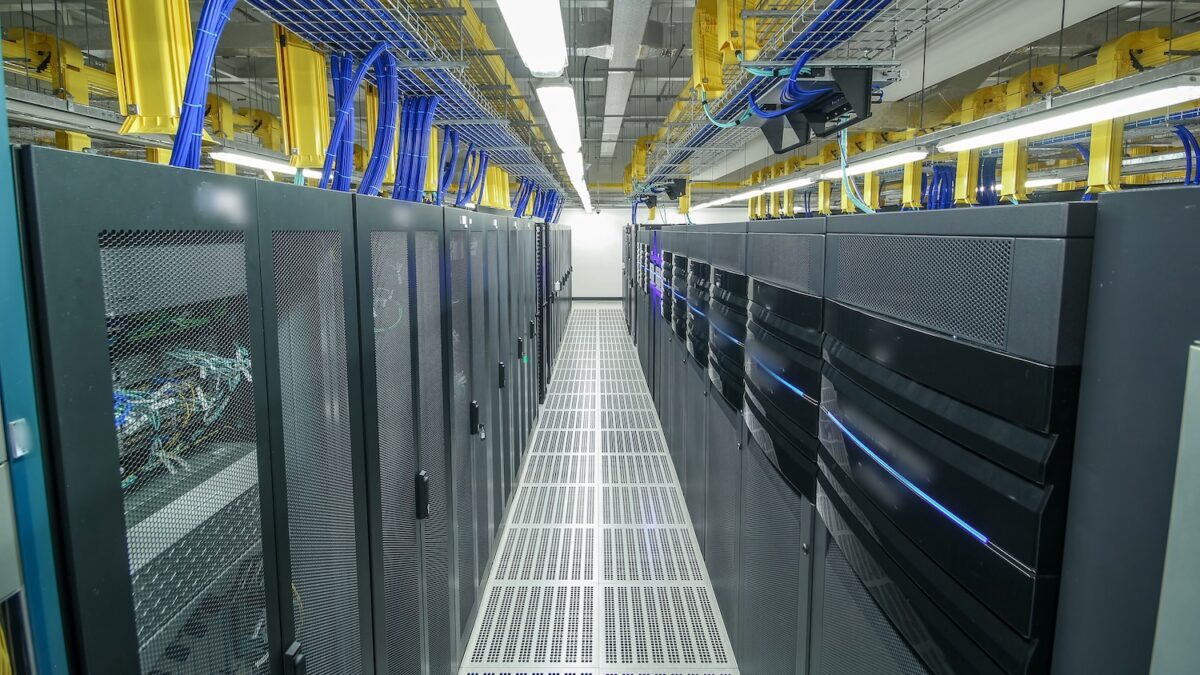
Experts say AI will disproportionately impact Black and brown workers through displacement and the environmental burden of data centers, which are more likely to be located in marginalized communities.
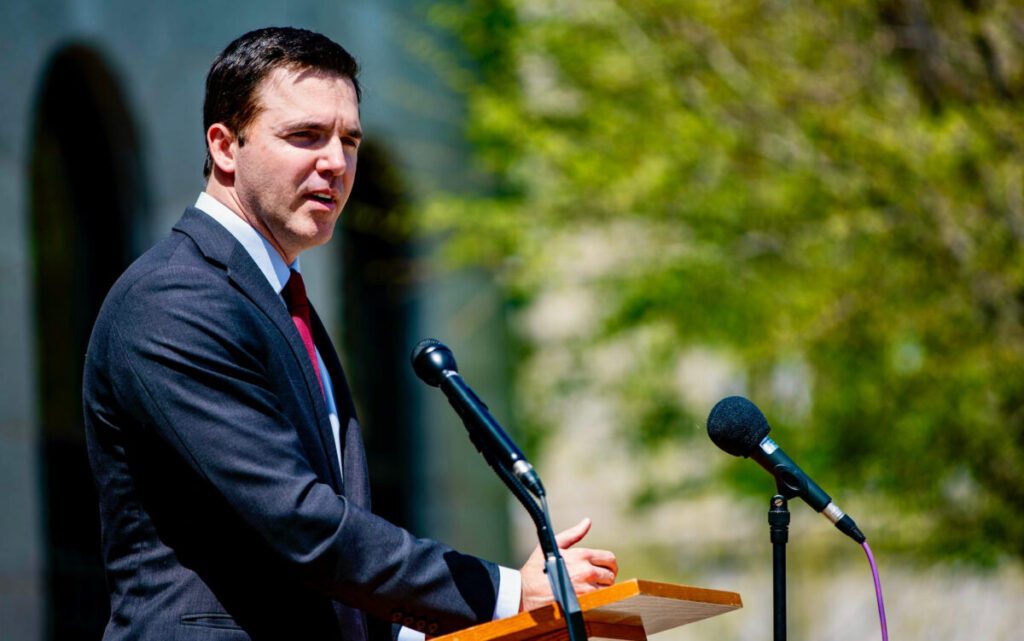
North Carolina Attorney General Jeff Jackson says the decision to end the funding mid-stream violates federal law and threatens critical rural education services for more than 23,000 students statewide.
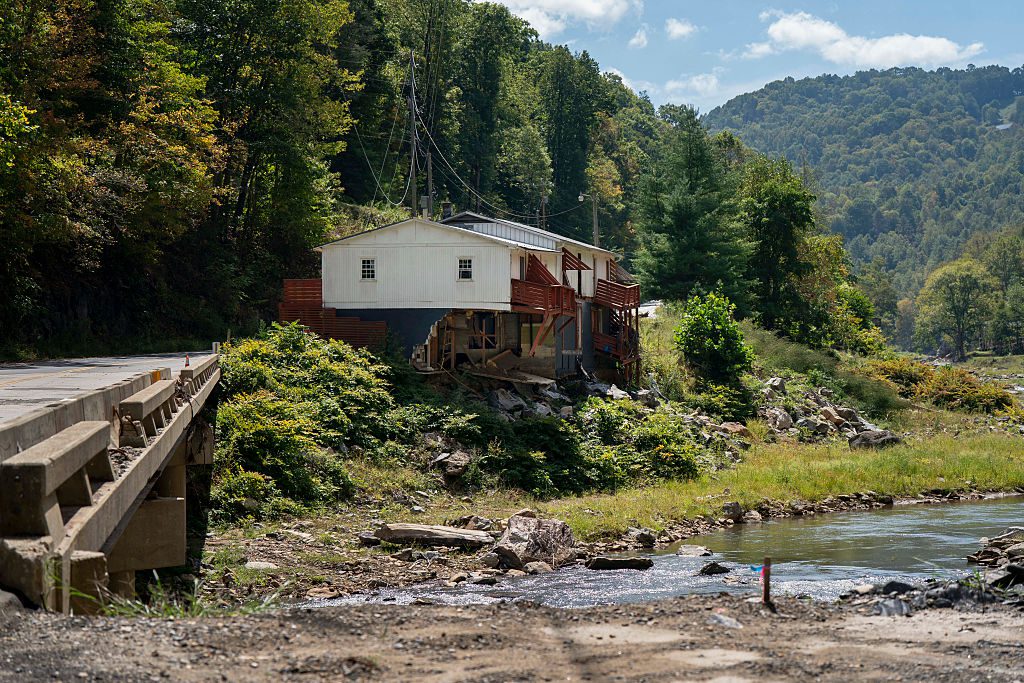
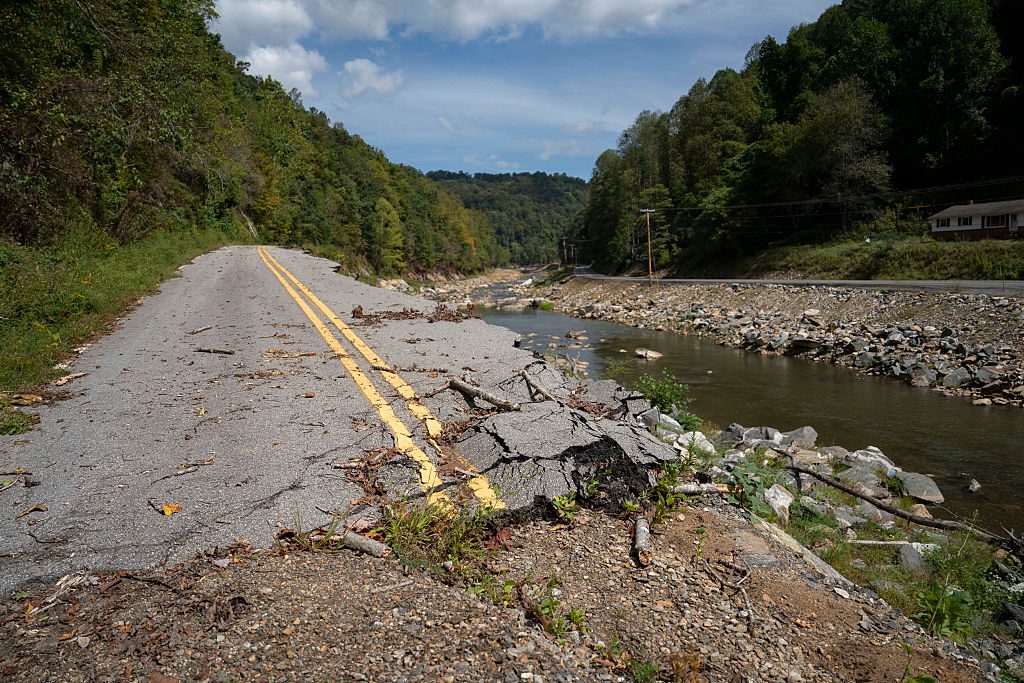
This week, as we approach the first anniversary of Hurricane Helene–one of the worst natural disasters ever to hit western North Carolina–it’s important to take stock of how we’re doing. Where do we stand and what do we still need?
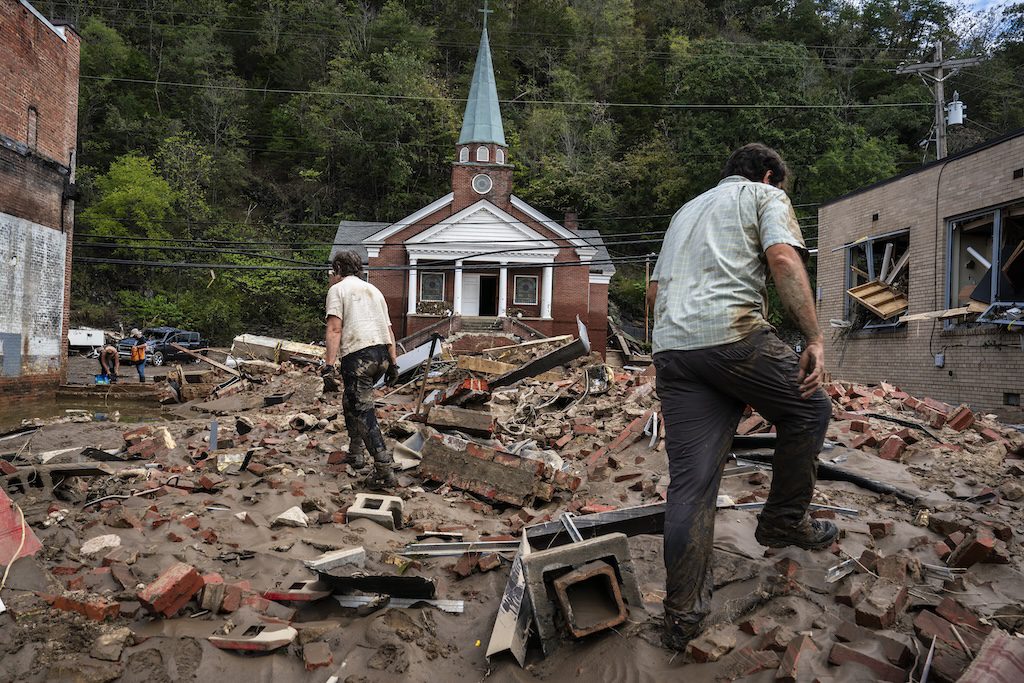
Hurricane Helene left at least 108 people dead, over 100,000 homes damaged or destroyed, and over $60 billion in total costs. A year later, communities across western NC are still picking up the pieces.
Last fall, communities across western North Carolina were devastated by Hurricane Helene. A year later, the town of Marshall has reopened and is forging a path forward.
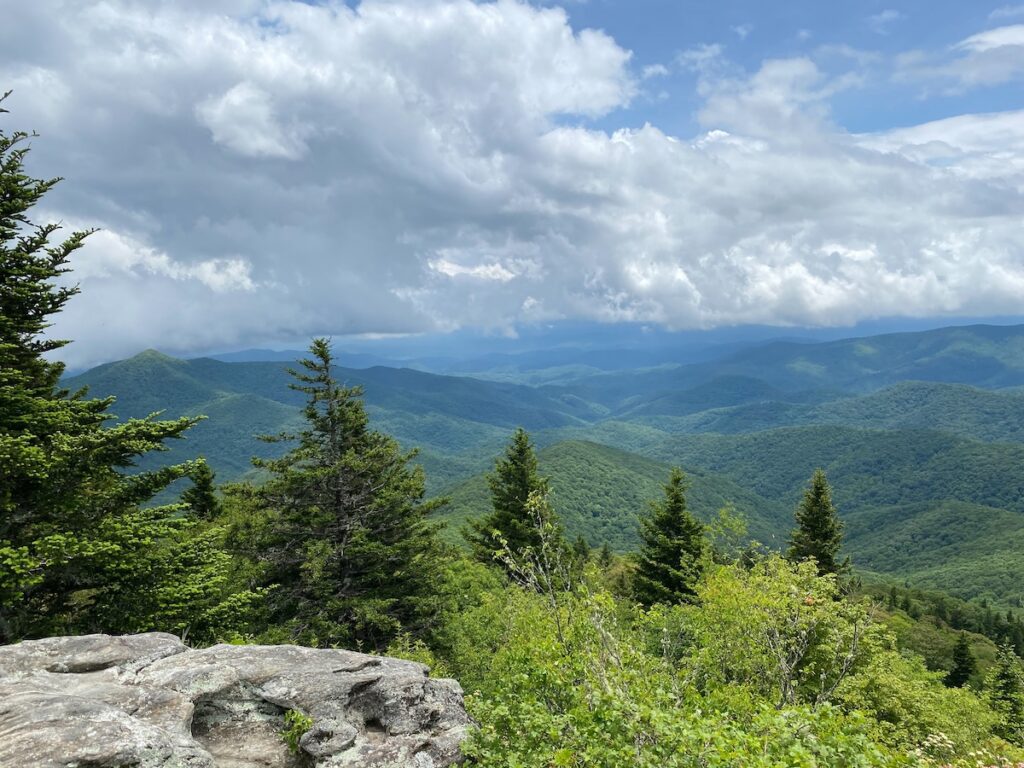
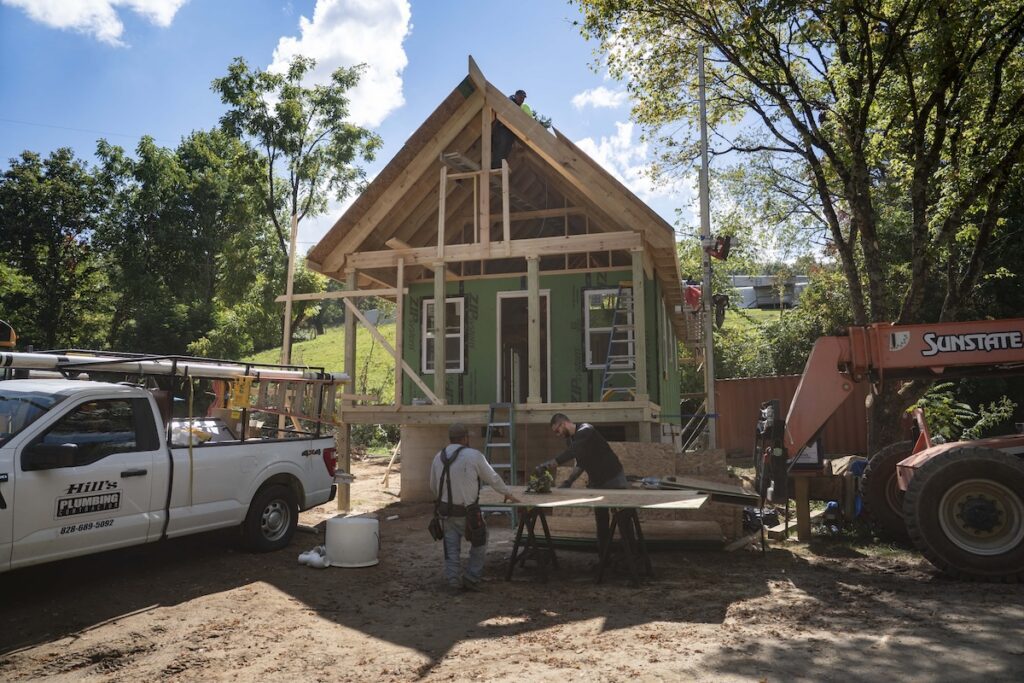
In the mountains of western NC, local renewable energy company Sugar Hollow Solar is already working through contingency plans to avoid laying off staff.
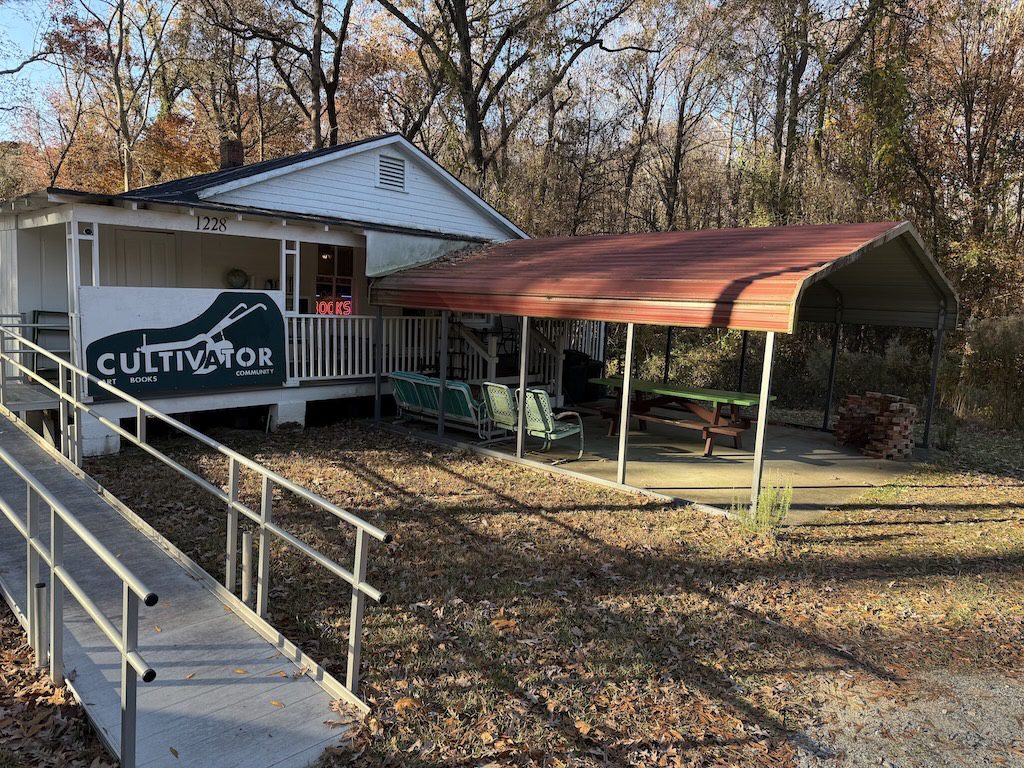
In Murfreesboro, North Carolina, a local bookstore wants to be a 'third place'—somwehere in town that's not your home or your workplace. The idea is to bring people together.
A community-based organization focused on drug use harm reduction turned its headquarters into a refuge for all seeking help in the face of a hurricane.
Experts say AI will disproportionately impact Black and brown workers through displacement and the environmental burden of data centers, which are more likely to be located in marginalized communities.
North Carolina Attorney General Jeff Jackson says the decision to end the funding mid-stream violates federal law and threatens critical rural education services for more than 23,000 students statewide.
This week, as we approach the first anniversary of Hurricane Helene–one of the worst natural disasters ever to hit western North Carolina–it’s important to take stock of how we’re doing. Where do we stand and what do we still need?