Equality
-
How the abortion pill became a NC student’s lifeline—and a political target
Mifepristone, approved in 2000 by the FDA, is now the most common way to have an abortion. A lawsuit from Louisiana and a bill in Congress could change how—and whether—patients can get it.
-
NC invests $26M to expand high-speed internet into additional rural areas by 2026
Thousands more rural North Carolinians will receive access to high-speed internet by the end of 2026, following a nearly $26 million state investment announced Monday.
-
How a Charlotte cafe is building a sustainable model for employing people with disabilities
Cakeable operates a training program for people with disabilities to be employed in businesses in the Carolinas.
-
13 times labor unions made history in North Carolina & beyond
Learn about the 13 most groundbreaking events for North Carolina’s labor unions over the years.
-
10 NC sites to visit during Women’s History Month
From unsung heroes to noteworthy names, North Carolina is full of extraordinary women. Learn about them at these 10 sites across the Tar Heel state.
-
Pay-what-you-can cafés: How they uplift underserved communities in NC
Community cafés with a pay-what-you-can model bring together people from all different backgrounds through dining experiences and volunteer opportunities.
-
What to know about each of NC’s historically Black colleges
Discover key stats and dive into the history of each of North Carolina’s 10 historically Black colleges and universities.
-
Discover the Pea Island Life Saving Station, the only all-Black station of its kind in the US
Dive into the legacy of North Carolina’s iconic Pea Island Life Saving Station and its heroic, history-making crew.
-
Greensboro Sit-Ins: Learn about the protest that sparked a movement
The Greensboro Sit-Ins started in North Carolina in 1960 before going nationwide. Here’s everything you need to know about this important series of protests.
-
Oppose ICE? Here’s how you can take action
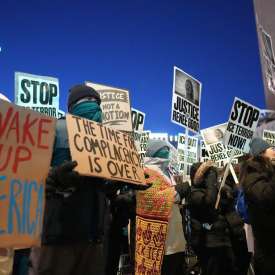
Here are some action tools to help stop ICE funding, halt detention expansion, and demand accountability from Congress.