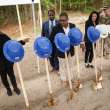
The Rethink Education Facilitator Badge program in North Carolina enhances teaching and learning resilience, showing significant student proficiency gains.
North Carolina’s innovative approach to blended learning is yielding impressive results in student achievement, particularly among historically underperforming groups. Through a $17.6 million federal grant, the state’s Rethink Education initiative is revolutionizing how teachers deliver instruction by combining traditional classroom methods with digital tools.

Transforming education through blended learning
The North Carolina Department of Public Instruction (NCDPI) has successfully trained over 1,800 educators across 100 districts through its Rethink Education Facilitator Badge program. This comprehensive professional development initiative, designed to build resilience against learning disruptions, has shown remarkable success in improving student outcomes, such as standardized test scores and end-of-year grades.
“Today’s students need to be prepared for tomorrow’s dynamic work environment,” shared Melissa Davis, NCDPI’s director of the Office of Virtual Instruction Support Services.
Measurable impact on student achievement
According to research conducted by The University of North Carolina at Chapel Hill Education Policy Initiative at Carolina (EPIC), students taught by Badged Facilitators demonstrated significant improvements in academic performance:
- 5-10% standard deviation increase in end-of-grade math and English Language Arts tests
- 4-5% proficiency gains in both subjects
- Notable improvements among male students, Black students, and economically disadvantaged students
Educator feedback confirms program success
Survey results from participating educators reveal overwhelming support for the program:
- 98% found the training valuable
- 92% reported blended learning as effective for all students
- 68% observed increased student engagement
- 56% noted improved digital literacy skills among students
The five to six-month training program—offered at no cost to participants or their schools—includes educators from traditional districts, tribal schools, and charter institutions. Graduates serve as instructional leaders, sharing their expertise with colleagues and further strengthening their communities’ teaching capabilities.
For more information about the program’s implementation and resources for K-8 education, you can visit Rethink Education’s website.
This story was generated in part by AI and edited by Cardinal & Pine staff. This article first appeared on Good Info News Wire and is republished here under a Creative Commons license.
Related: North Carolina Students Really Need Black and Brown Teachers