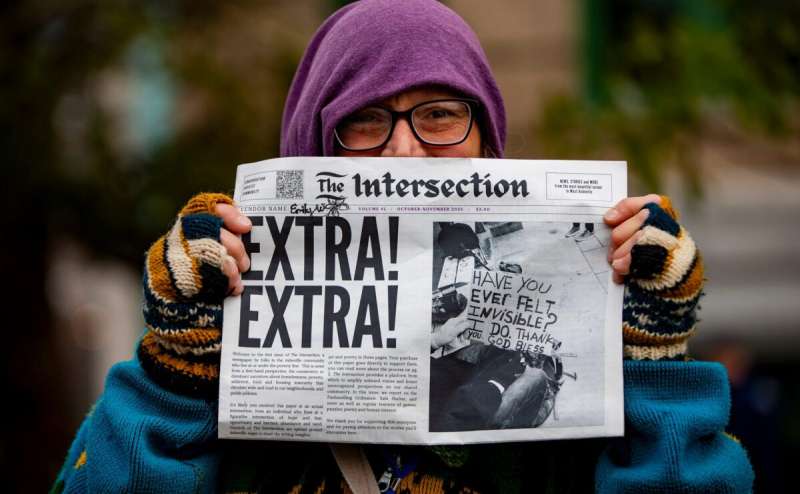
A groundbreaking street newspaper is made and distributed by Asheville homeless people and other folks experiencing deep poverty. This is the story of The Intersection.
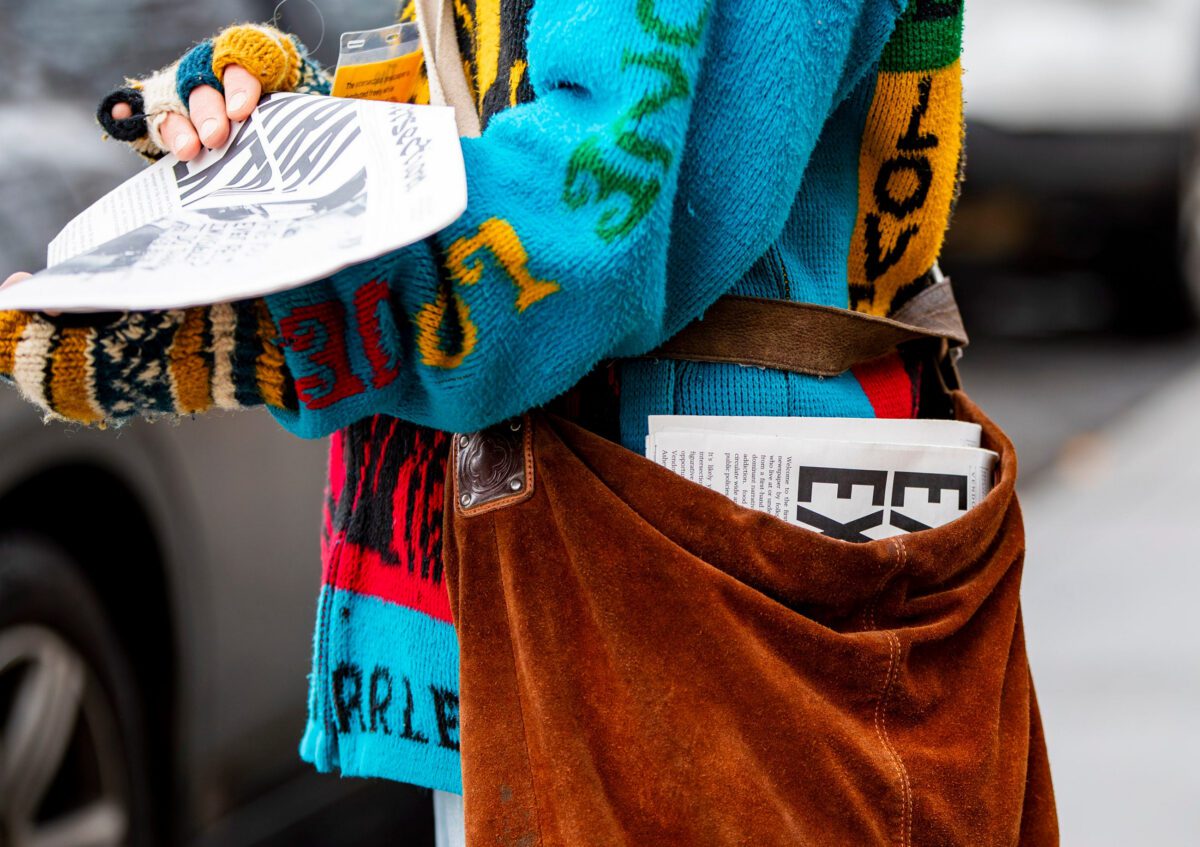
Emily Witherspoon looked the part of a newsie: black-and-white broadsheets peeking out from the top of her satchel. A lanyard and badge identified her as an official vendor for the newspaper.
She wore big earrings, a Bob Marley sweater and jeans doodled with flowers. That motif was drawn, too, on the papers themselves.
Witherspoon, 48, called it her signature. She left the same markings on the bathroom walls in her studio apartment — the last place she lived before losing housing, entering homelessness in the early months of the pandemic.
Later, she would draw the flowers on signs she held on street corners. Often three, one for each of her kids. She found the repetition meditative.
https://cardinalpine.com/local/buddhist-monks-walk-for-peace-arrives/
“I spent two years on the street, and I work every day — three years later — to not feel invisible,” she said, standing with an Asheville Citizen Times reporter near the front steps of the Buncombe County Courthouse in early December.
“I went from soccer mom to homeless in a matter of months, like really quickly. And that could happen to anyone.”
She’s among a team of sellers and writers for The Intersection, a community-produced street paper from 12 Baskets Café in West Asheville.
The paper was named for its home at the literal junction of Haywood Road and State Street, but also because it might have been purchased from someone “who lives at a figurative intersection of hope and fear, opportunity and barriers, abundance and need,” its first volume read.
Most of The Intersection’s writers and vendors are people experiencing homelessness or in deep poverty.
Witherspoon said people might stumble across the paper and have it be the first place they find a resource for shelter, meals or support. For others, it could be how they get to know their “unhoused neighbors” and see a different side to a community they hadn’t thought about before.
“This is harm reduction,” she said. It is “giving people a voice.”
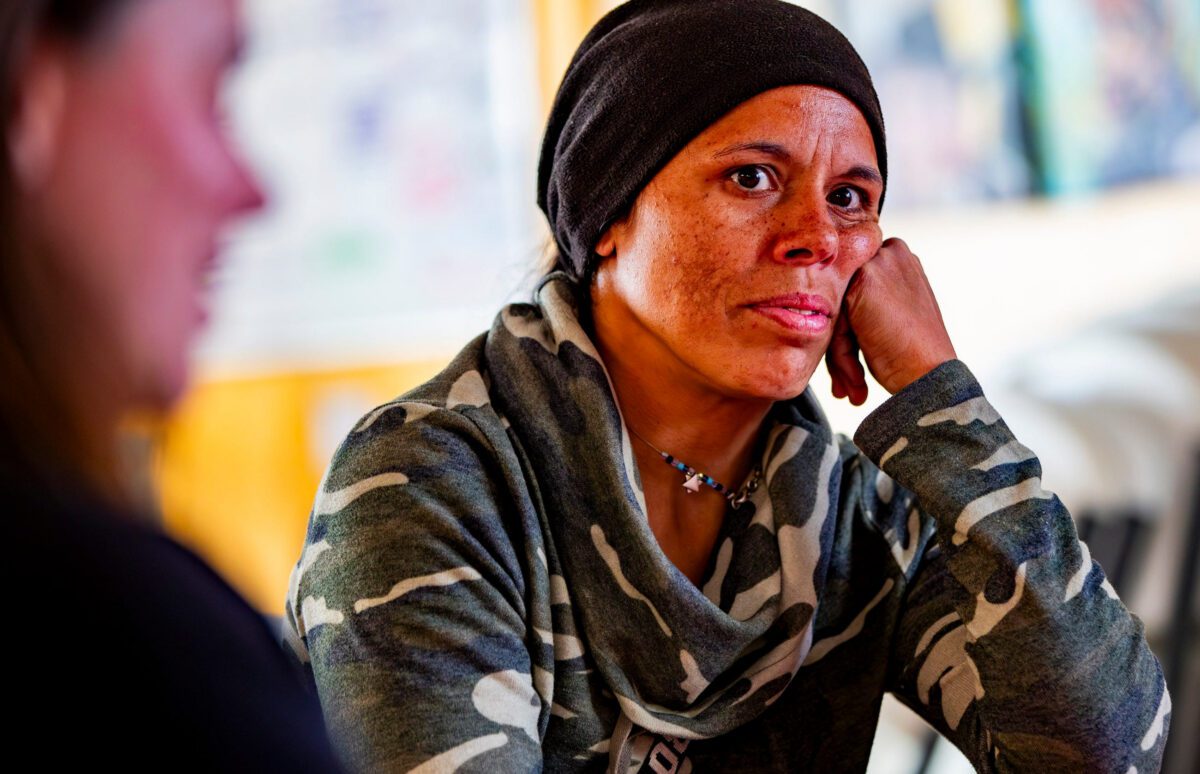
What is The Intersection?
The Intersection’s editor is Leslee Johnson. She’s a lecturer at UNC Asheville and co-facilitator of the café’s four-year-old creative writing group, Moonlight Cheese Alliance.
“Perspectives that are rooted in lived experience are crucial to understanding not only root causes, but humanity in general, and why we’re all here together — what we have to learn from each other,” Johnson said in a December interview.
The paper was modeled after a similar project in Nashville, Tennessee, The Contributor, a biweekly street paper that began in 2007 — sold by people experiencing homelessness as a means of immediate income and challenging stereotypes. It features writing by local journalists and vendors themselves.
Executive Director Will Connelly said when the paper began, it was partly to change the dynamic around panhandling. The Contributor has around 200 vendors.
https://cardinalpine.com/news/politics/nc-leaders-mobilize-voters-with-love//
Part of their motto is: “Take the paper, read the paper.”
“When you do, you come away with this idea that homelessness is caused by more of factors that are beyond the person’s control and … can maybe empathize with them more and learn more about yourself, too, in the process,” Connelly told the Citizen Times Feb. 5.
In Asheville’s model vendors buy papers for $1 and sell them for $3. They are gifted 10 papers up front.
Ben Williamson, executive director of Asheville Poverty Initiative, which includes 12 Baskets, said it could help people earn money in a safe, dignified, creative and empowering way, and potentially build a small business.
All proceeds from ad sales and vendor fees are reinvested into printing future issues and supporting writers, artists and vendors.
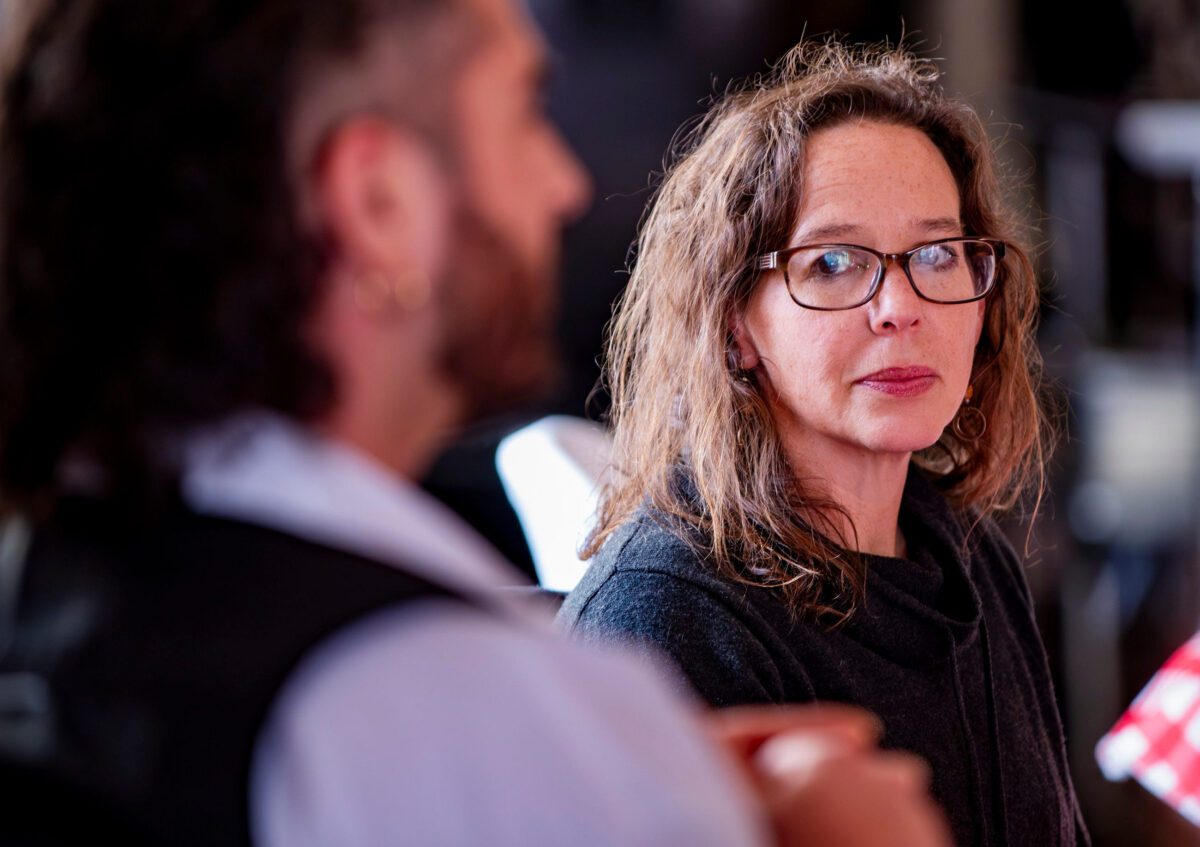
‘We all bleed the same’
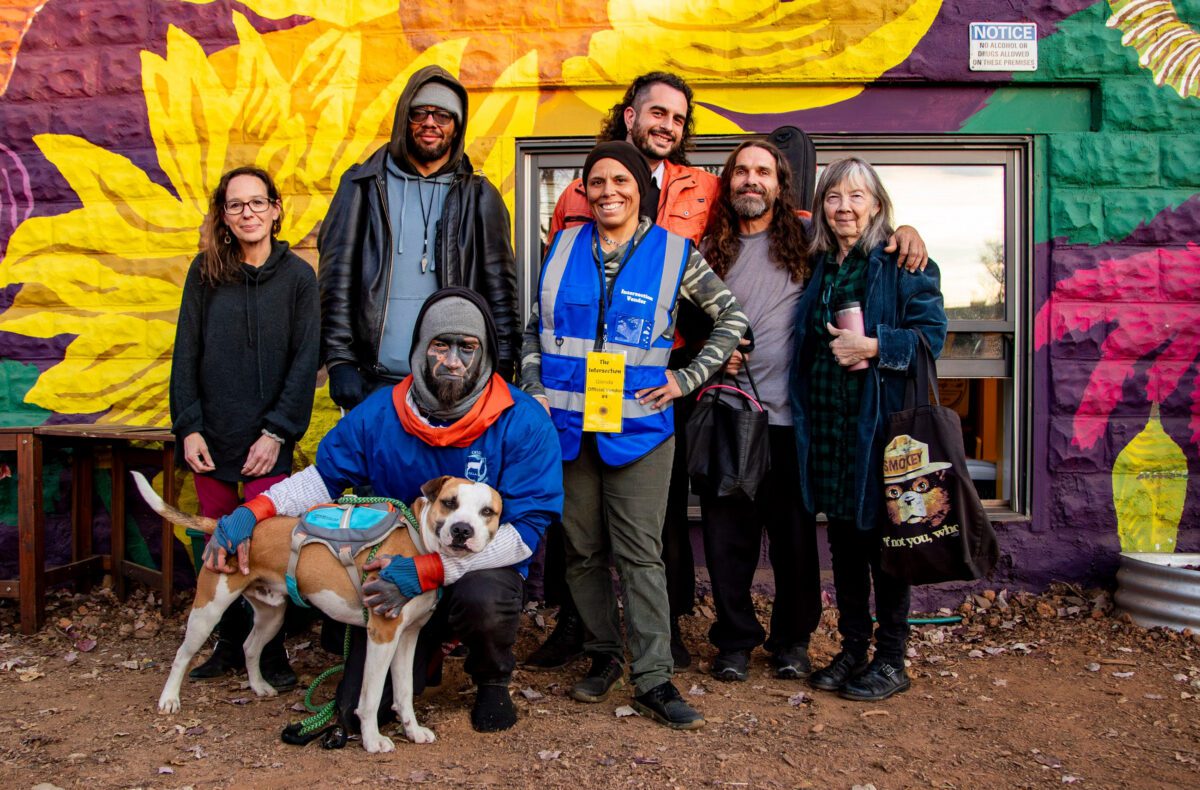
West Asheville’s 12 Baskets Café offers free meals most weekdays. For some, like Glenda Naba, 43, it’s nearly a daily stop.
She was there just before Christmas with her partner, Tyler White, in a scarf, hat with pom-poms and an Avengers-themed shirt. Naba is a vendor and has written poetry for the paper.
She and White, 32, have been tent camping on a friend’s property in West Asheville for a little over six months. They’ll need to find somewhere new to go soon, but Naba said it’s hard to know where to start. She has lived in Asheville for over two years.
To stay warm, they run an extension cord from their friend’s house to an electric blanket. It keeps them “pretty cozy,” but it’s still cold.
Naba said she’s excited about selling the papers.
“I just want people to understand that we’re not bad people. We all bleed the same.”
A different way to be heard
Emily Ball, the city’s homeless strategy division manager, discussed the Asheville-Buncombe Continuum of Care’s work “related to the increase in unsheltered homelessness in West Asheville” during a Jan. 8 briefing to council members.
Last year’s point in time count — Asheville and Buncombe County’s annual census of the unhoused population — found 755 people experiencing homelessness in Asheville. Of those, 328 were unsheltered.
“The problems in West Asheville are real,” Williamson said, adding that people “are hurting” and the area needs more resources, ideas and solutions.
He hopes when people read The Intersection, they will hear directly from people experiencing homelessness and see beyond the stereotypes.
Among catalysts for The Intersection was the expansion of the city’s panhandling ordinance in August. Critics feared criminalization of the city’s unhoused. The changes prohibit panhandling using gestures or spoken words in new areas of the city, including West Asheville’s Haywood Road and Patton Avenue.
People can still panhandle with a written sign but cannot verbally solicit.
“Criminalizing poverty, in the way that the panhandling ordinance seems to do, is hard to fight back against, unless people with lived experience and those who are in those circumstances are allowed to show what they know and speak for themselves,” and provide a perspective that is often dismissed, trivialized or stigmatized, Johnson said.
Melissa Mayes, an Intersection vendor, told the Citizen Times in November that it represents the voices of the people who get talked about — who legislation is made about — but who often don’t get to speak.
“This is a different way to be heard,” she said.
Service providers say there is a lack of shelter beds in Asheville. Desperation is apparent on the coldest nights, like the Jan. 31 snowfall in Asheville when shelters braced for spaces reaching capacity.
Williamson said that for people who are unhoused, “you can’t sleep on the sidewalk. You can’t sleep in a private lot. You can’t sleep in a public park.”
If you don’t have access to a shelter bed, or permission to be somewhere, “it’s illegal to be alive. It’s illegal to be asleep.”
“We are trying to bring something else, solution-oriented, that’s positive, to the table to accompany the advocacy, to accompany the anger that we’re feeling with so many of these policies that we feel perpetuate poverty or increase the obstacles to folks participating in society at a level that we all want to be participating in,” Williamson said.
Not just ‘doom and gloom’
As of February, The Intersection has about seven vendors and 10 contributors. Find more about where they are selling on Instagram (the.intersection.avl) where they post a weekly paper locater.
Sly Grog, a downtown bar, is hosting a benefit show for the paper at 6:30 p.m., Feb. 13.
The Intersection shows that it is not just “doom and gloom,” Williamson said. “There’s a lot of beauty in our brokenness. There is a lot of celebration in overcoming adversity. There is a lot of joy in community and comradery amongst our friends on the street.”
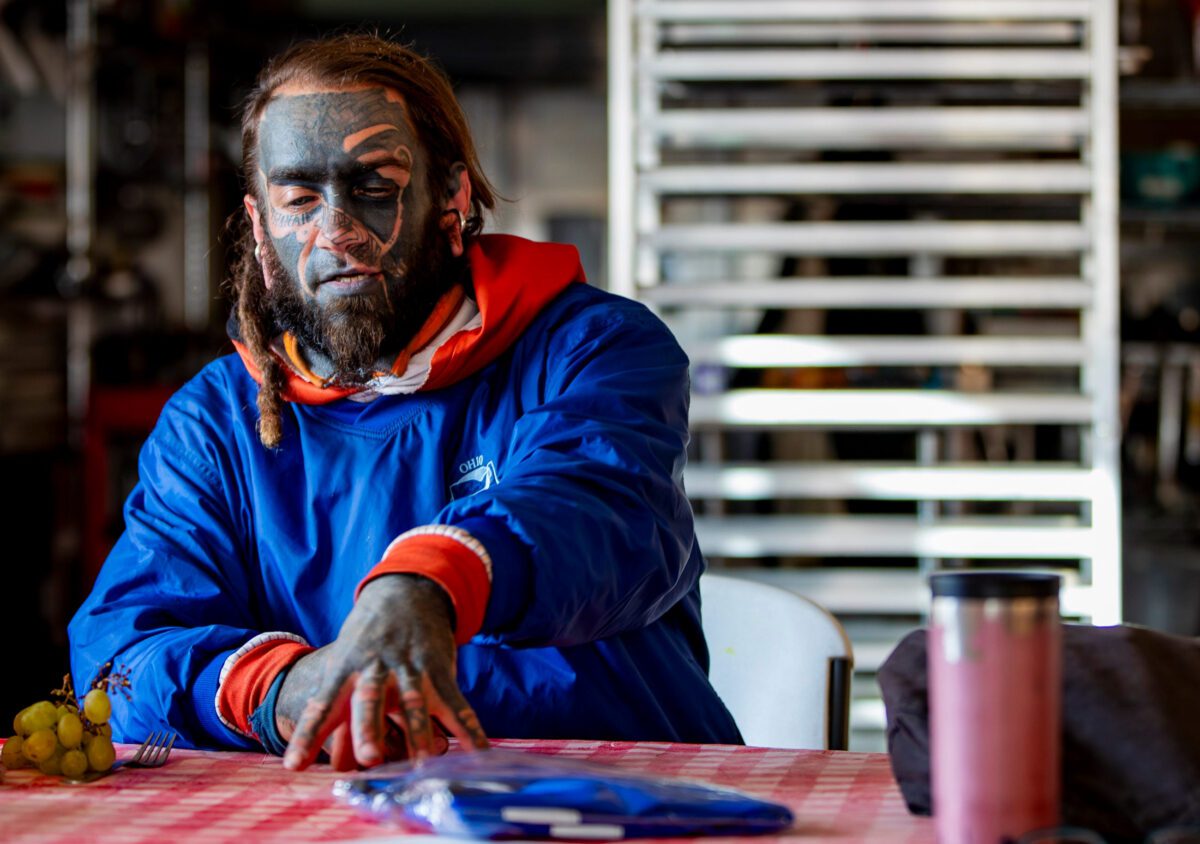
In its eight-page volumes are horoscopes and fashion columns. Classifieds and puzzles. Writing, insights, art and poetry. Niko Adams, a writer and vendor, often with his dog, Winner, in tow, wrote a review on The Hop’s ice cream, noting its “tapestry of delicious and imaginative flavors.”
“Anybody that picks up this paper wants to be a part of Asheville … In that same frame, that’s what I want to be,” Adams said.
The paper’s third edition will likely be out by the end of the month.
“What is beautiful about The Intersection is that it shows in black and white, and color, and photographs and words and stories how we are all more than our pain and need. And for this community especially, that’s really important,” Johnson said.
‘Signs of hope’
Witherspoon, who rents a room now, is ready for a place of her own — preparing to move into Lady Gloria Ridge Community, Haywood Street Congregation’s affordable apartments on West Haywood Street.
She drives for a local taxi company and works at AHOPE’s emergency shelter, which activates during freezing temperatures.
She wrote her first article in The Intersection’s latest edition reflecting on her experience flying signs, a common term for panhandling. A way not only to ask for help, but to “express and be seen when I had lost my voice.” She called them “signs of hope.”
Another page bears the full text of the city’s expanded panhandling ordinance. Around the text’s edge are pictures of Witherspoon’s signs. And the flowers there.
Reporting by Sarah Honosky, Asheville Citizen Times / Asheville Citizen Times
USA TODAY Network via Reuters Connect