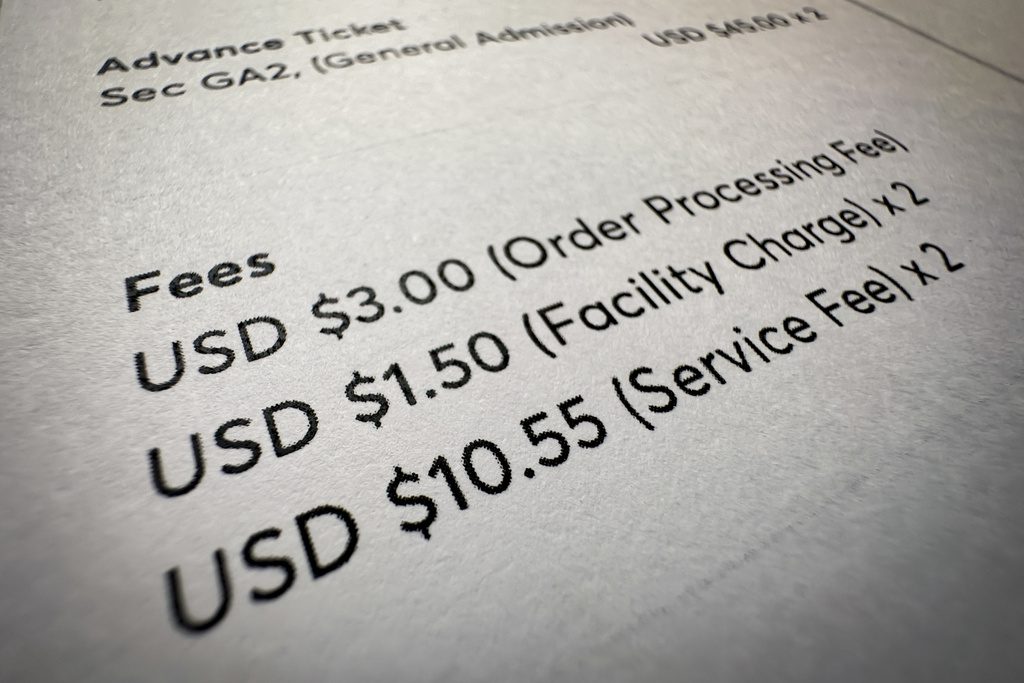
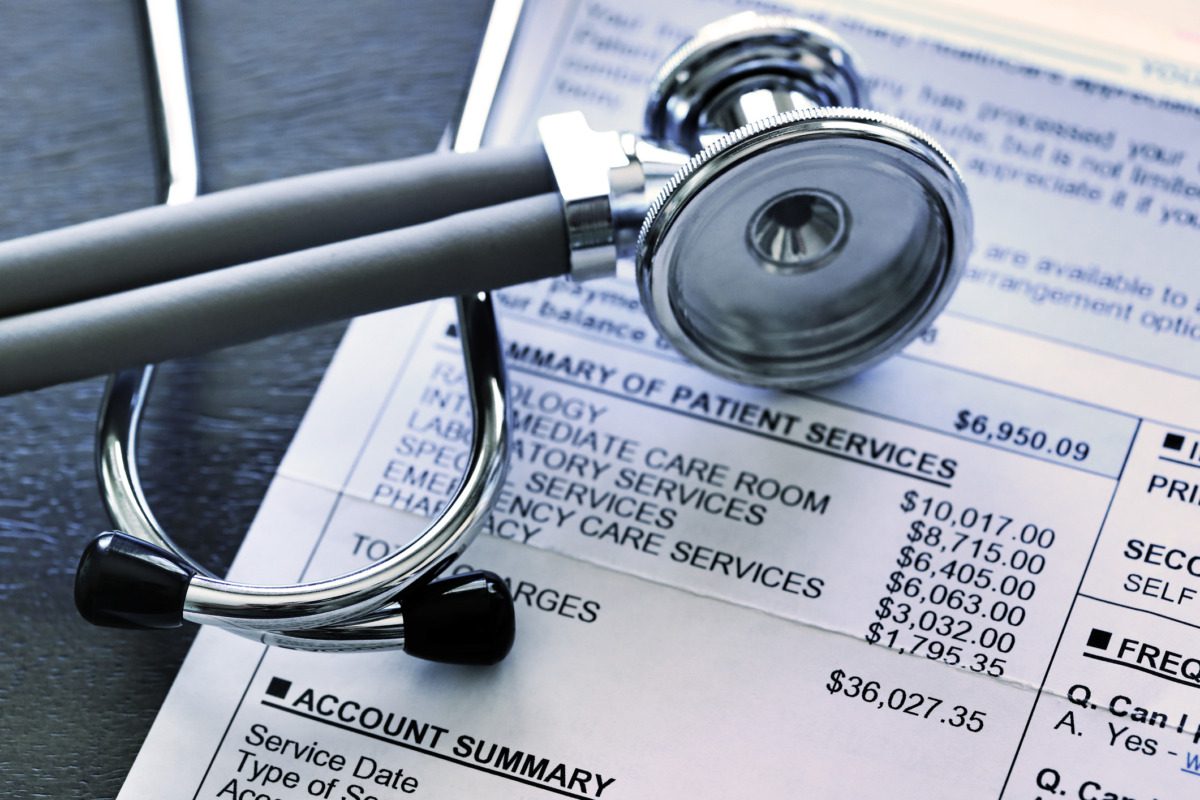
This new rule will erase an estimated $49 billion in unpaid medical bills from the credit reports of roughly 15 million Americans, according to the Consumer Financial Protection Bureau. The agency estimates that the new federal rule could help boost consumer credit scores by an average of 20 points.
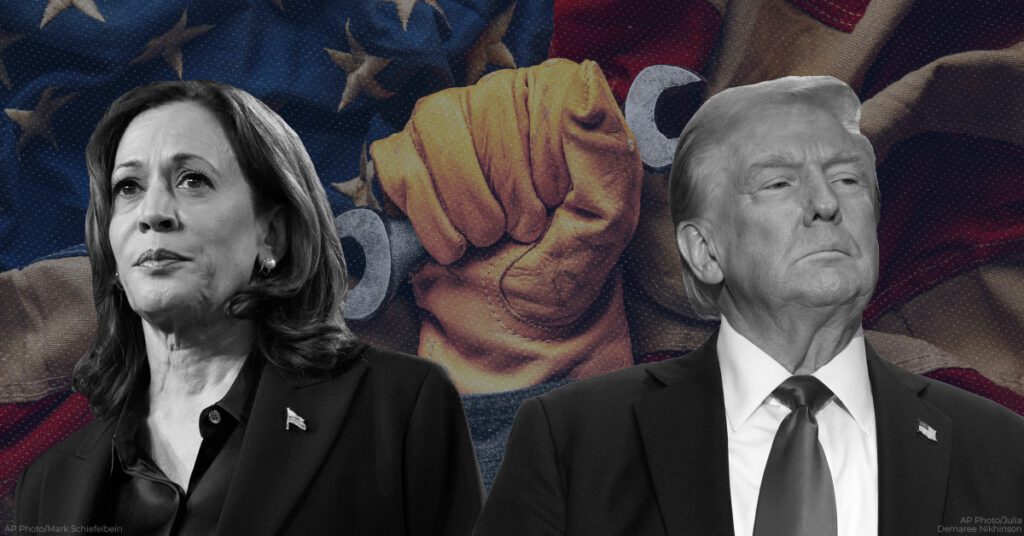
Harris has vowed to strengthen workers’ rights, expand financial support for the working class, boost opportunities for non-college graduates, and raise the minimum wage. Trump, meanwhile, has promised to implement tariffs on imports and repeal federal investments in clean energy, both of which would likely lead to job losses.
Vice President Kamala Harris intends to support small business owners and entrepreneurs by reducing their expenses and increasing their access to capital. Trump’s tariff proposal, however, could cause small businesses’ costs to rise.
In response to the report, the Harris-Walz campaign released an analysis of its own, outlining how Trump’s agenda would raise costs for over 4.4 million North Carolina households by an average of $3,954 per year.
Mainstream economists warn that Trump's plans to impose huge tariffs on imported goods, deport millions of migrant workers, and demand a voice in the Federal Reserve's interest rate policies would likely send prices surging.
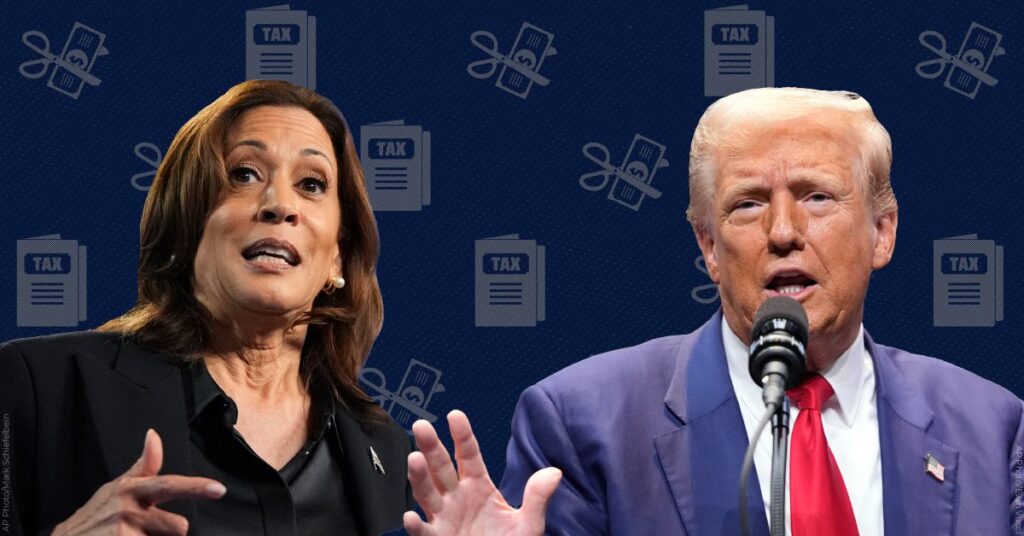
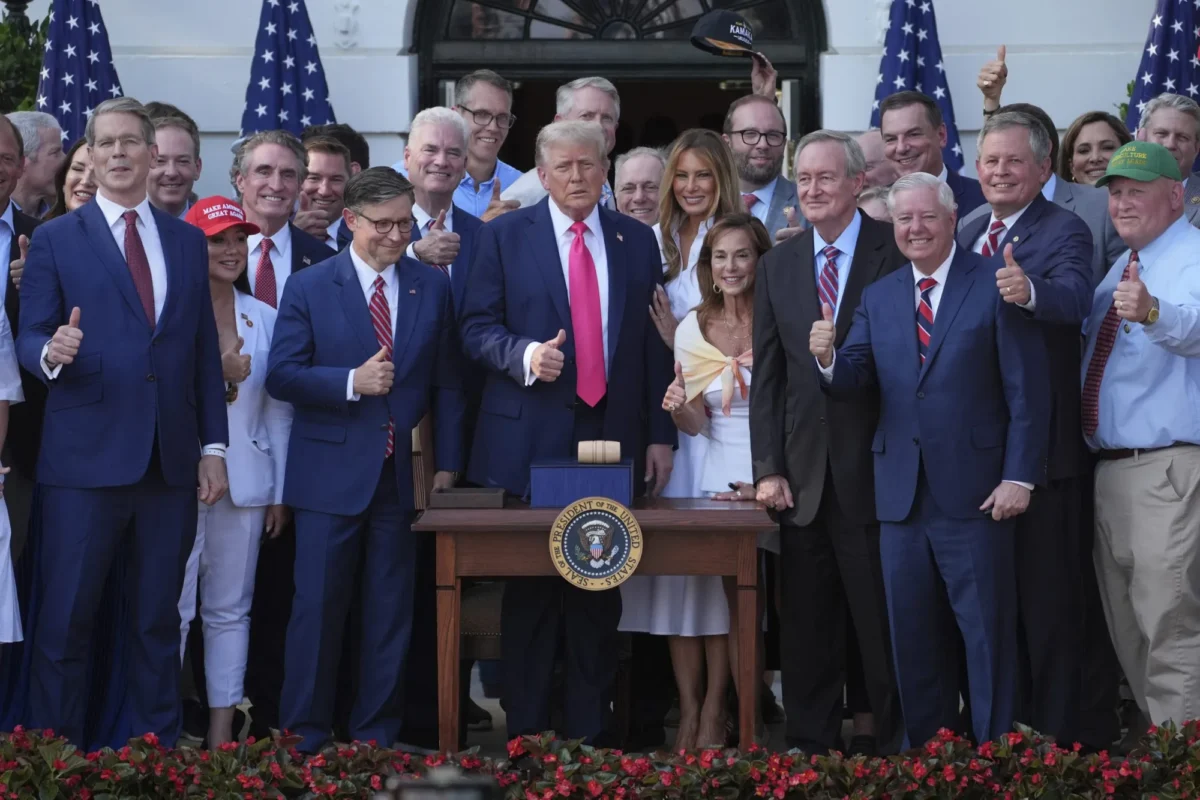
Kamala Harris has proposed increasing the corporate tax rate, expanding the child tax credit, and cutting taxes for more than 100 million working and middle class Americans. Donald Trump, meanwhile, said he wants to permanently extend tax breaks that primarily benefited the ultra-wealthy and corporations.
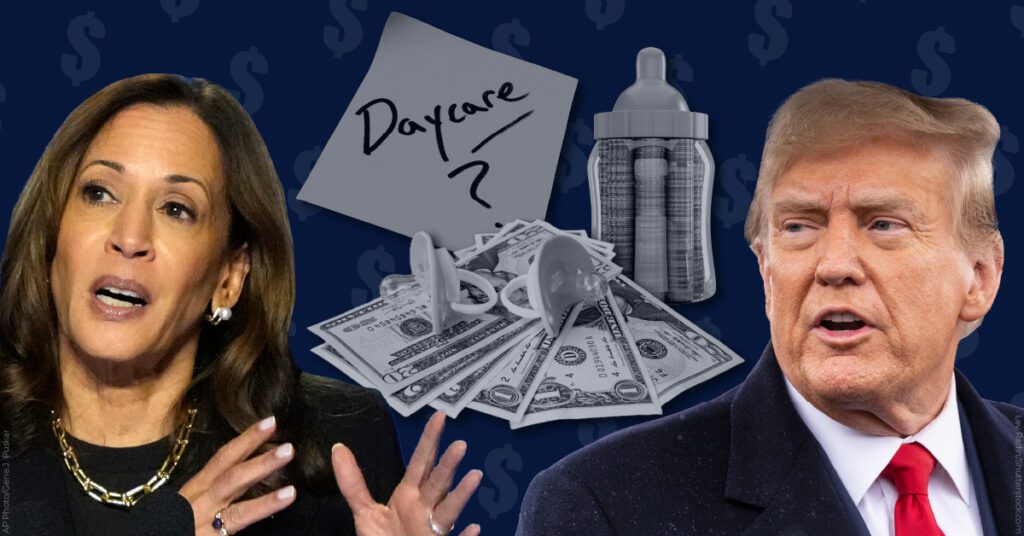
Harris has proposed capping families’ child care costs to 7% of their income and offering families of newborns up to $6,000 in the first year of the child's life. Trump, on the other hand, has focused on tariffs as a solution to the child care crisis, despite evidence showing they would only raise costs for families.
Kamala Harris has said that she will call on Congress to pass a federal ban on price gouging and give the federal government more authority to prevent consolidation in the food industry, if elected. Donald Trump, on the other hand, wants to impose tariffs and reduce food imports, a plan that would cause food prices to increase.
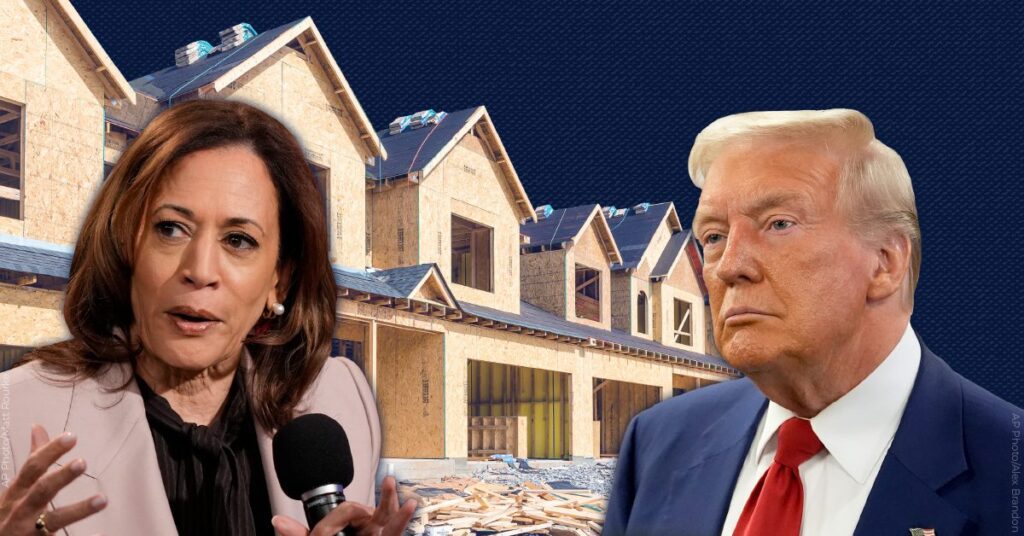
Harris has vowed to increase the available housing supply by three million homes and to provide lower-income first-time homebuyers with up to $25,000 in down payment support. Trump, on the other hand, has offered no specific plans for addressing the housing crisis.
President Trump’s tariffs and federal cuts to food banks and SNAP benefits threaten to increase food insecurity in a state where more than 1.6 million people, including 1 in 5 children, do not get enough to eat. NEW YORK (AP) — The vast majority of U.S. adults are at least somewhat stressed about the cost […]
In the mountains of western NC, local renewable energy company Sugar Hollow Solar is already working through contingency plans to avoid laying off staff.
Congress is prioritizing the ultra-wealthy and corporate greed over everyday American people this tax season. Now, community organizations across the US are fighting back—here’s how you can get involved.
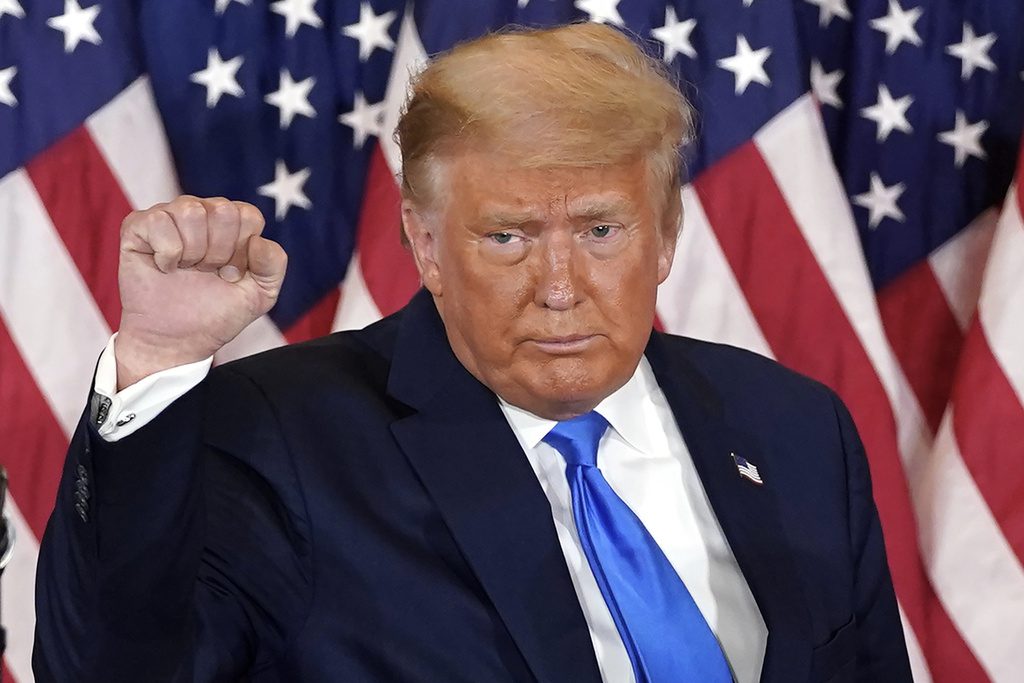
On the campaign trail, Donald Trump promised to immediately end inflation and to make gas, food, and healthcare more affordable for the middle class, but the image of Mark Zuckerberg, Jeff Bezos, and Elon Musk standing front and center during the inauguration suggested the middle class might not be on his priority list.
This new rule will erase an estimated $49 billion in unpaid medical bills from the credit reports of roughly 15 million Americans, according to the Consumer Financial Protection Bureau. The agency estimates that the new federal rule could help boost consumer credit scores by an average of 20 points.