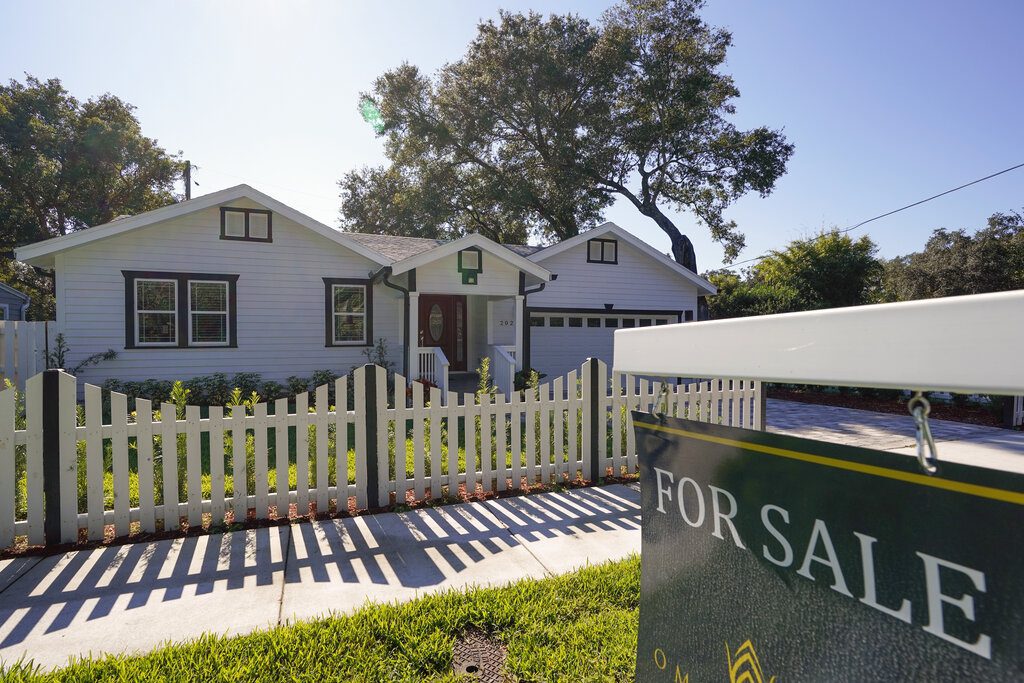
Harris has vowed to increase the available housing supply by three million homes and to provide lower-income first-time homebuyers with up to $25,000 in down payment support. Trump, on the other hand, has offered no specific plans for addressing the housing crisis.
Harris has proposed expanding a tax deduction for costs that are incurred while starting a business, creating a new fund that would allow the country’s smallest banks to cover the interest accrued on loans to new businesses, and more.
After years of a worsening housing crisis in North Carolina, Kamala Harris’ proposals seek to create three million homes by 2028, provide down payment assistance to first-time home buyers, and crack down on price fixing among corporate landlords.
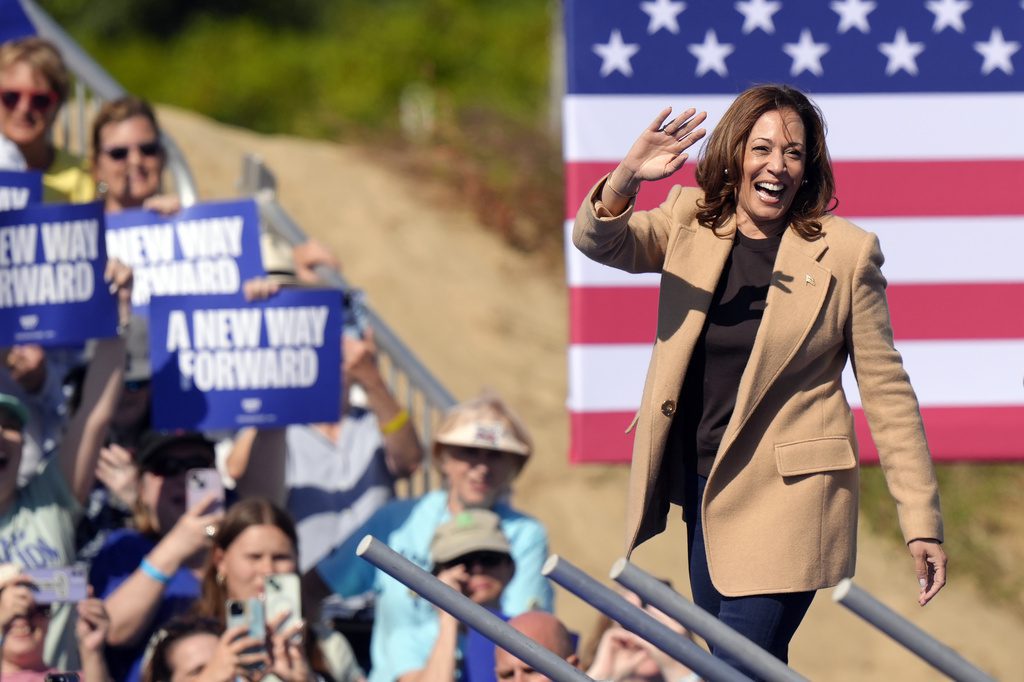
In her eighth visit to North Carolina this year, VP Kamala Harris proposed plans to build three million new homes, help first-time homebuyers and renters, stop price gouging, and provide economic support for families.
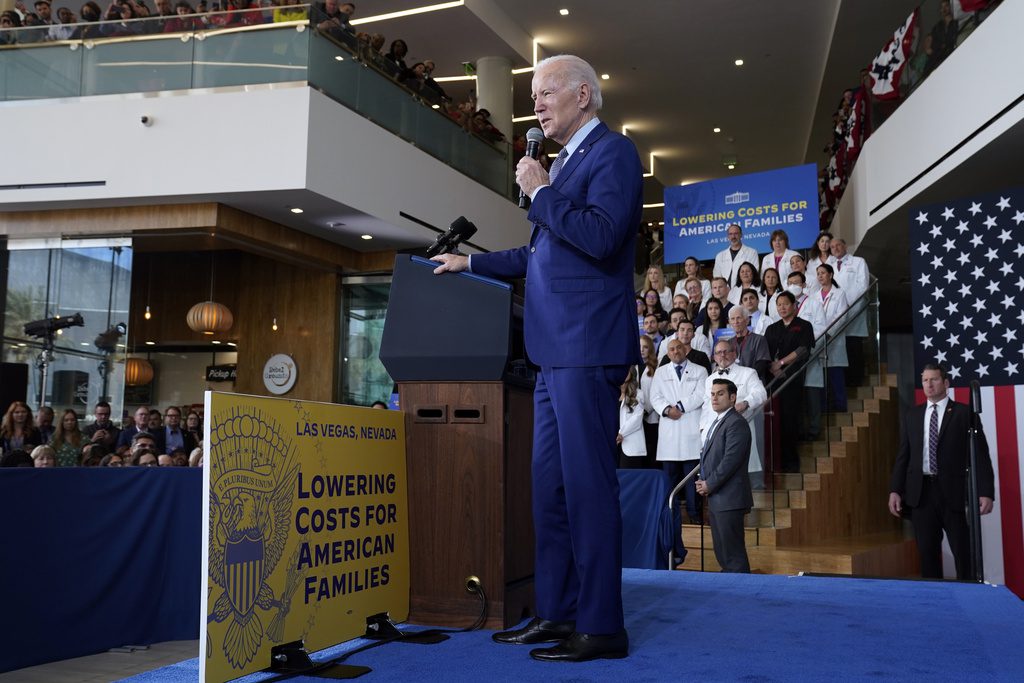
From the cost of medication to education to everyday expenses, the Biden administration has passed several laws and implemented many federal rules taking on giant corporations, but big businesses are fighting tooth and nail to protect their profits.
The IRS’ Direct File program was rolled out on a limited basis in 12 states this past tax-filing season and saved 140,000 taxpayers who used it an estimated $5.6 million in filing costs. Now, the agency is looking to expand it nationwide.
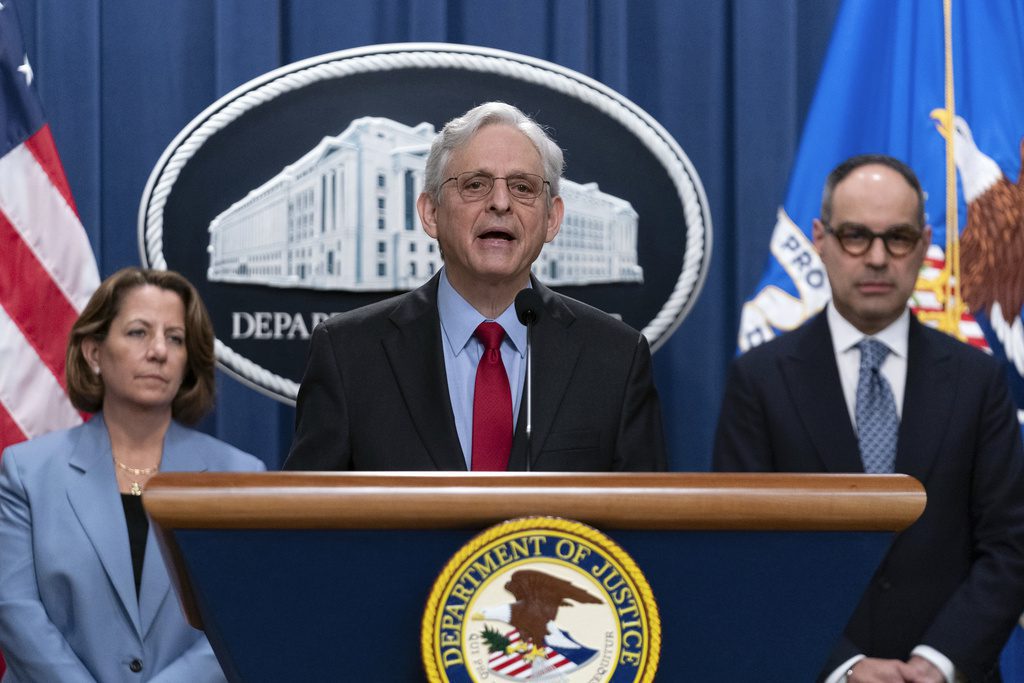
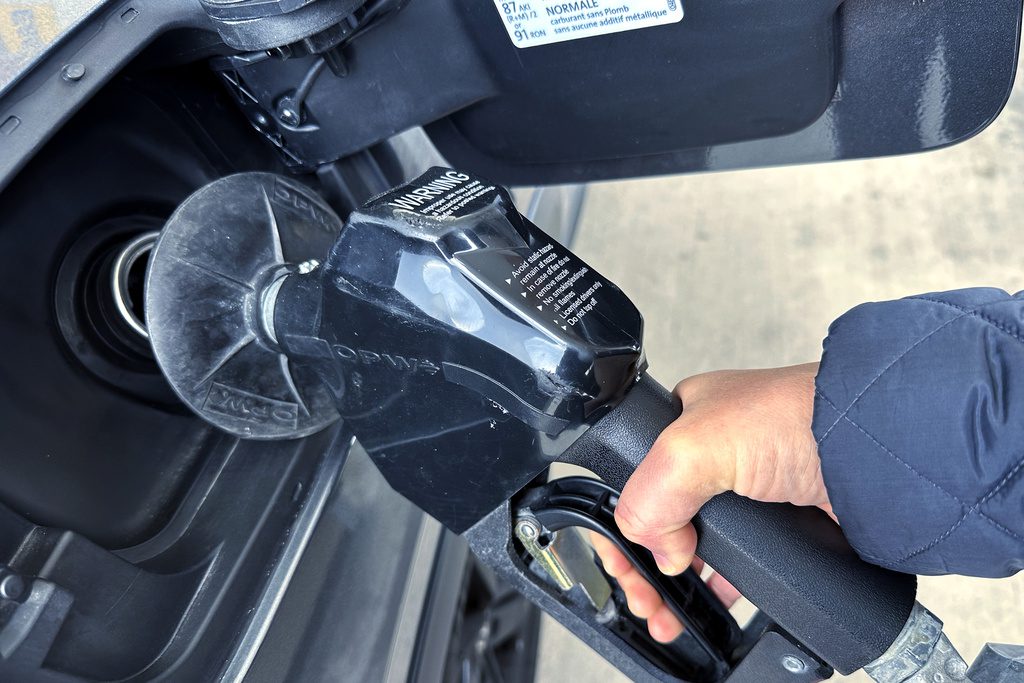
Senate Democrats joined their House counterparts in calling for an industry-wide investigation into Big Oil collusion and price-fixing allegations, which they say cost US consumers at the pump while driving up corporate profits.
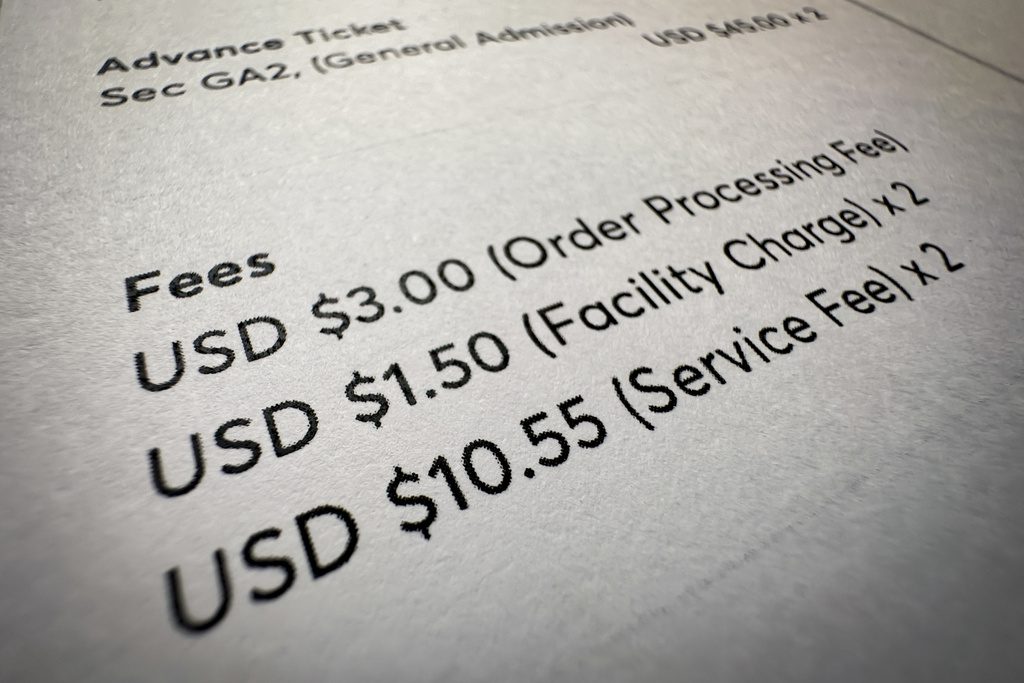
The lawsuit is backed by attorneys general for 29 states plus Washington, D.C., and alleges that Live Nation leveraged its power as a venue owner, concert promoter, and ticket seller in order to lessen consumer choice, raise prices, and eliminate its rivals.
Analysis of corporate profits and accusations of collusion by the FTC lend support to the idea that a broader oil industry conspiracy drove up post-Covid inflation for everyday Americans.
Harris has vowed to strengthen workers’ rights, expand financial support for the working class, boost opportunities for non-college graduates, and raise the minimum wage. Trump, meanwhile, has promised to implement tariffs on imports and repeal federal investments in clean energy, both of which would likely lead to job losses.
Vice President Kamala Harris intends to support small business owners and entrepreneurs by reducing their expenses and increasing their access to capital. Trump’s tariff proposal, however, could cause small businesses’ costs to rise.
In response to the report, the Harris-Walz campaign released an analysis of its own, outlining how Trump’s agenda would raise costs for over 4.4 million North Carolina households by an average of $3,954 per year.
Mainstream economists warn that Trump's plans to impose huge tariffs on imported goods, deport millions of migrant workers, and demand a voice in the Federal Reserve's interest rate policies would likely send prices surging.
Kamala Harris has proposed increasing the corporate tax rate, expanding the child tax credit, and cutting taxes for more than 100 million working and middle class Americans. Donald Trump, meanwhile, said he wants to permanently extend tax breaks that primarily benefited the ultra-wealthy and corporations.