The board overseeing the health insurance plan for North Carolina workers and retirees voted Friday to raise most enrollees’ premiums to help cover a deficit that has grown to $507 million this year.
Regulations will become harder to approve under a new law that North Carolina legislators passed, by overriding Gov. Josh Stein's veto. House Bill 402, known as the REINS Act, requires the General Assembly's approval for rules or regulations costing more than $20 million over five years.
A day after the release of State Auditor Dave Boliek’s report recommending to split off the DMV from the North Carolina Department of Transportation, North Carolina Gov. Josh Stein opposes a reorganization of the Department of Motor Vehicles that would make it a standalone agency, his office indicated Tuesday.
House Bill 804 would criminalize abortion from the moment of conception, with limited exceptions. If passed, this bill would be one of the most extreme measures the state has seen.
Rep. Rodney D. Pierce, a Democrat representing Halifax, Northampton, and Warren counties, has an idea for a statewide screening program to help men detect prostate cancer before it’s too late.
Amid abortion access struggles in NC, a painting donation to local abortion clinics stands as a tribute to providers and patients navigating the state’s ever-changing restrictions.
Duke Energy recently announced plans to replace several coal-fired power plants with natural gas-fired stations at two North Carolina sites by 2029. Now, it’s joined nine other power companies in asking newly-confirmed EPA administrator Lee Zeldin to weaken environmental regulations regarding natural gas and coal ash.
North Carolina business leaders say that transitioning to or adding cleaner energy alternatives to their businesses helps save money, is good for the environment, and makes the nation more energy resilient. Lillian Mindich always wanted to do more projects on her...
Duke has argued that it must use natural gas during its transition away from coal in order to meet rising demand for energy, but the projects would lead to a significant increase in total greenhouse gas emissions, potentially jeopardizing the company’s legally-mandated duty to reduce carbon emissions.
With federal immigration operations increasing in North Carolina this year, limited information has been shared about Immigration and Customs Enforcement detainees who are pregnant and a nonprofit group helping women in crisis is working to change it.
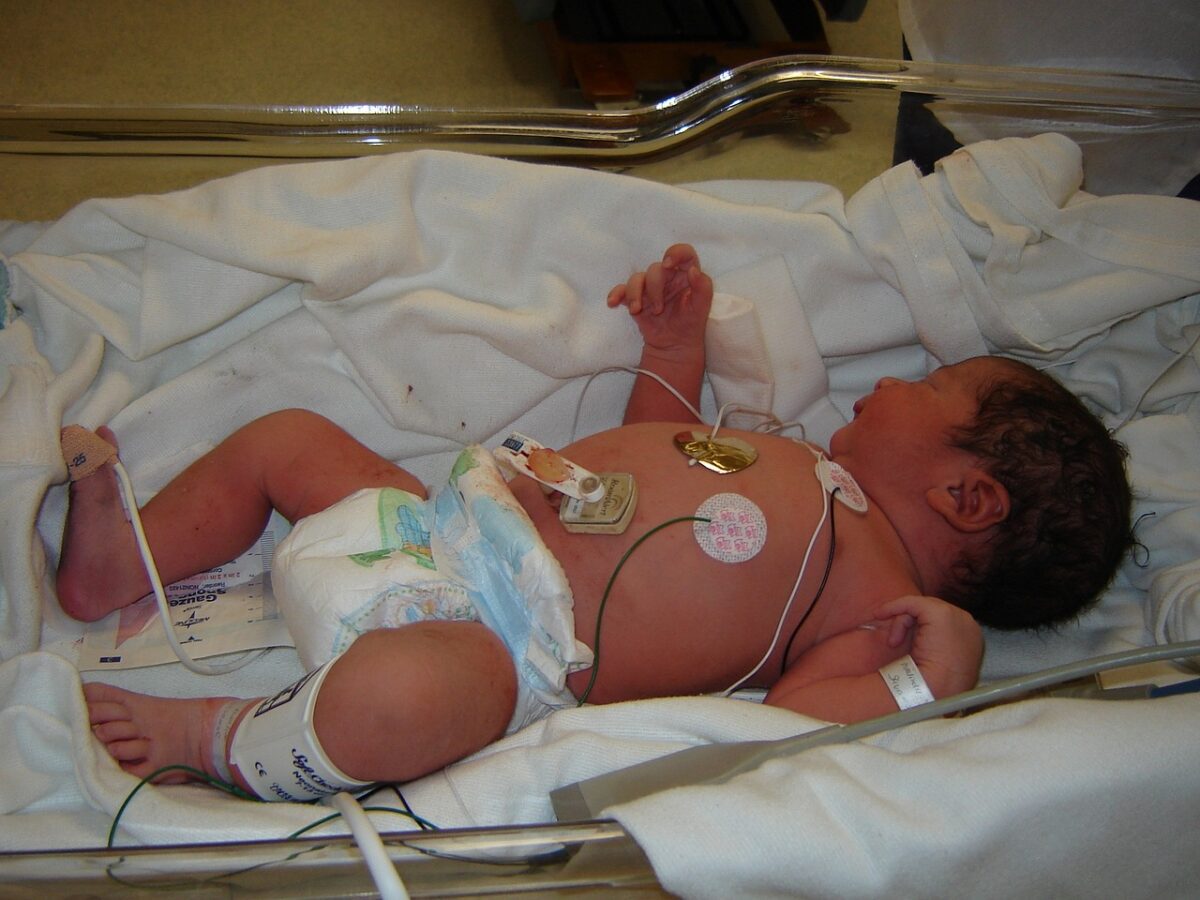
The Perinatal Quality Collaborative of NC has been credited with reducing C-section births, boosting breastfeeding and cutting infection rates in the tiniest babies.
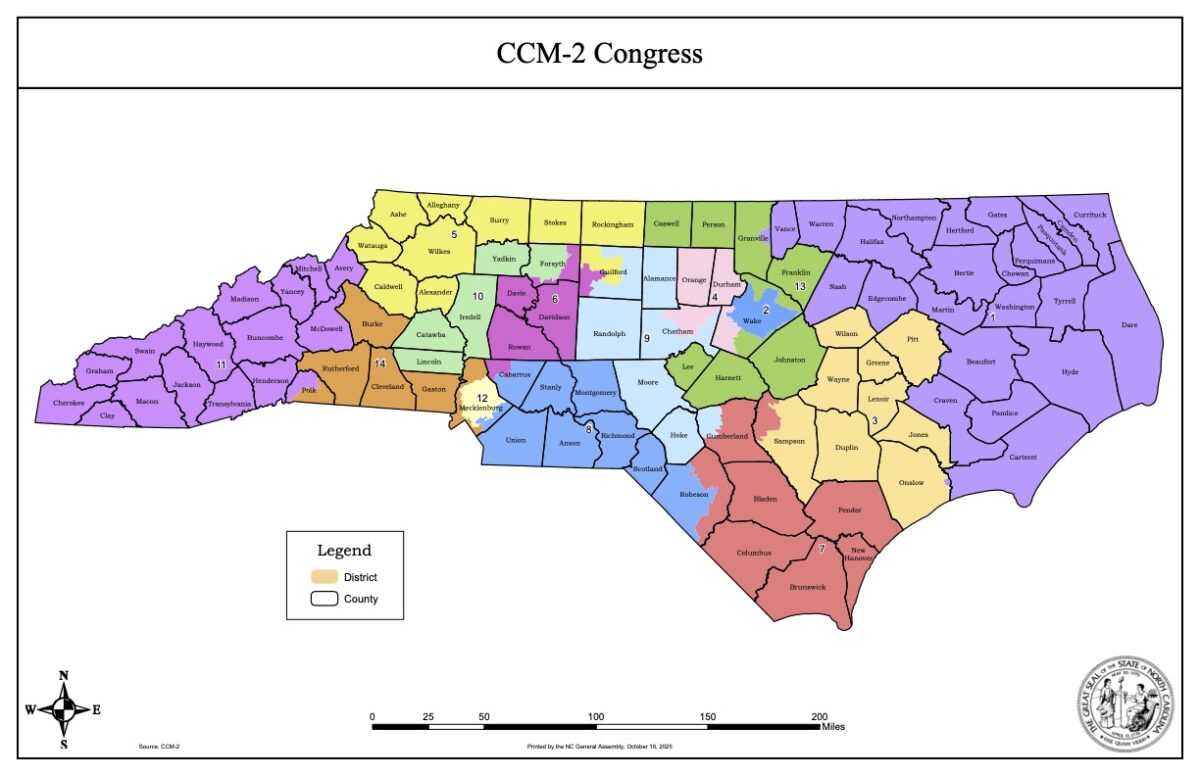
North Carolinians are speaking up as state Republicans rush to change the congressional voting map and improve their chances in the midterms next year.