The Trump administration’s spending cuts are making it tougher for small farmers to get by, NC Rep. Ray Jeffers writes. But a bill he introduced would “uplift our farmers regardless of what comes down from Washington.”
This isn’t just a rhetorical question. It carries real consequences for the González Mendoza family—and thousands of H2-A visa recipients across the state. North Carolina is home to the fifth-most H2-A workers in the country, nearly 15,000 migrants who labor in the agricultural sector with few protections.
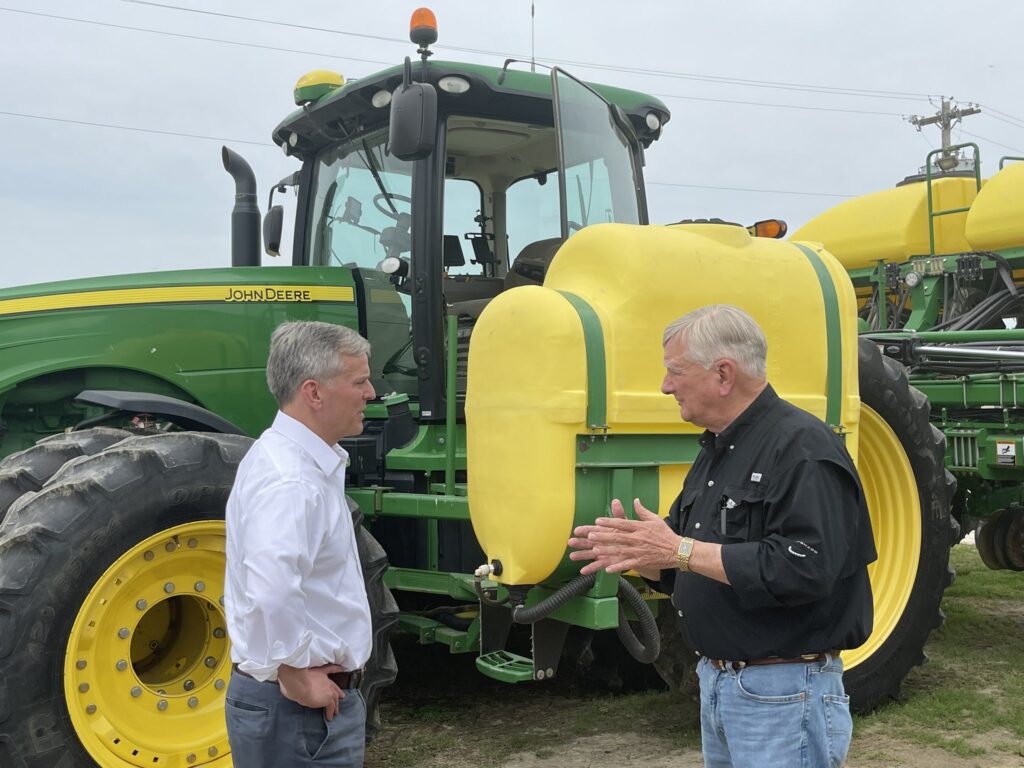
On Monday afternoon, Attorney General @joshsteinnc, the Democratic nominee for governor, stopped by Sharp Farms in Wilson County, which has been in operation since 1928. Stein toured the farm with Pender Sharp, who serves as the Farm Manager, and discussed the farm...
“My philosophy is pretty basic,” Stein said. “Government can help create conditions for you to succeed, and that’s what we should do. Help you set standards, and make sure that there’s fair rules of the road, and they’re equally enforced, and then get out of the way, and certainly don’t create problems for ourselves.”
Imagine purchasing equipment that’s critical to the success of your business that costs you tens, if not over a hundred thousand dollars, but you’re not allowed to make repairs on the equipment yourself. That is the reality that farmers in North Carolina and across...
Imagine purchasing equipment that is critical to the success of your business that costs you tens, if not over a hundred thousand dollars, but you’re not allowed to make repairs on the equipment yourself. That is the reality that farmers in North Carolina and...
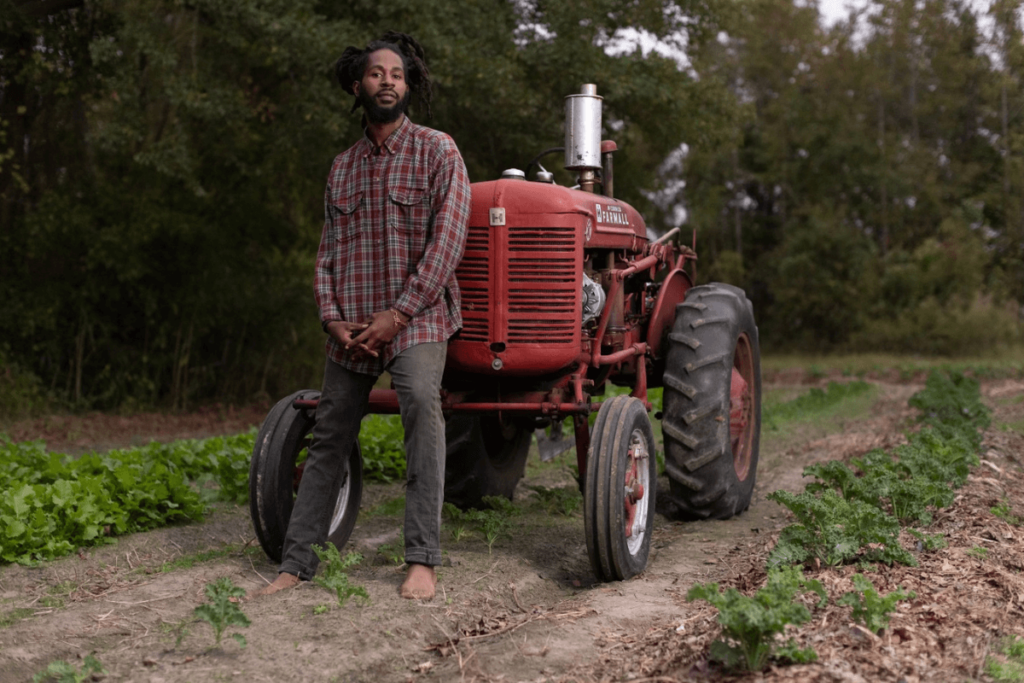
And it’s not always the rooster. NC farmers are as diverse as the state itself. So we talked to them about their wins, their losses, and what drives them.
During National Farm Safety and Health Week, a massively reduced fine for poor conditions that led to a farmworker's death is leading to questions about worker protections in North Carolina.
Hollywood studios and independent producers have long depicted the collective efforts of working people to improve their lives and gain a voice in their workplaces and the larger society.