After voting, I think the second most important thing we can do this year is tell other people in our lives why they also must vote. Earlier this month, my husband’s uncle Alan, who lives in Brevard, sent everyone in the family an email titled “November 5th.”
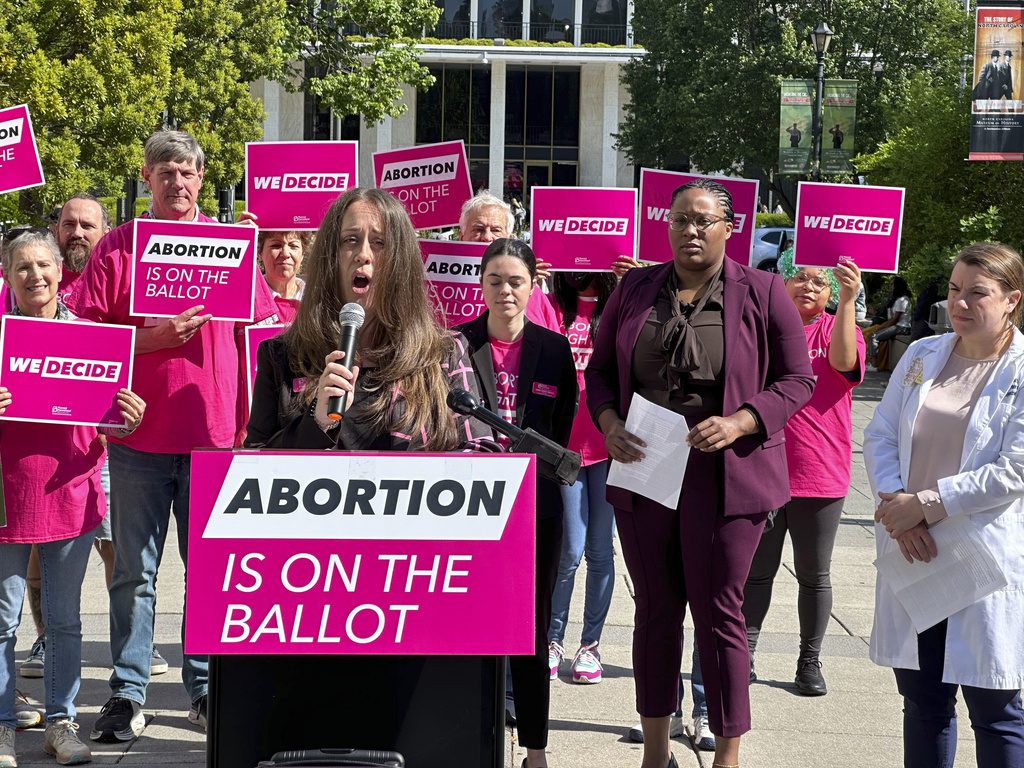
The proposal comes days before Election Day, as Vice President Kamala Harris affixes her presidential campaign to a promise of expanding women's health care access in the wake of the U.S. Supreme Court's decision to undo nationwide abortion rights two years ago.
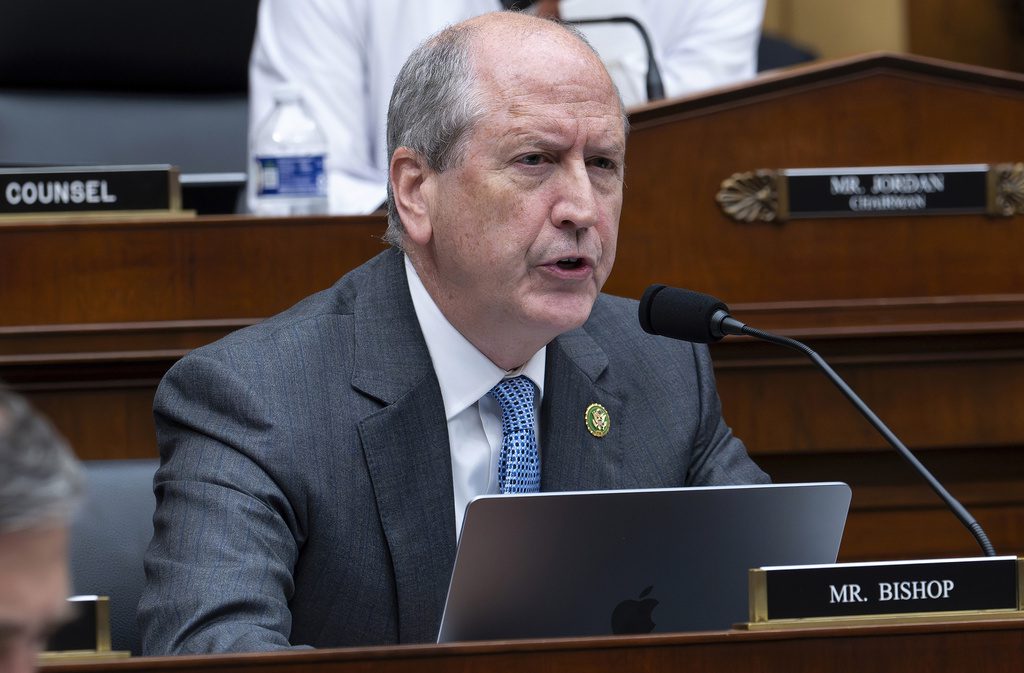
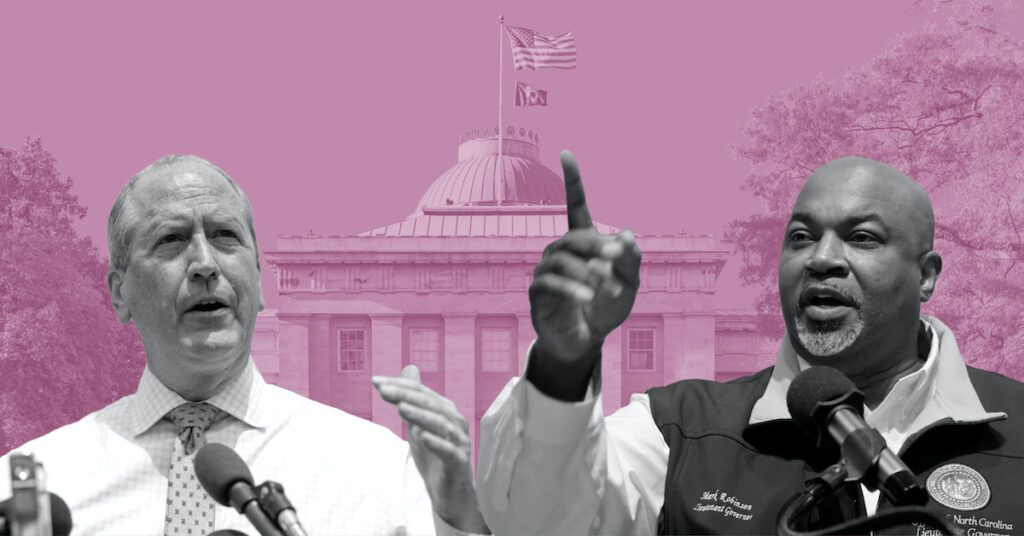
In post-Roe America, states now have the final say on reproductive rights. If Dan Bishop were to be elected North Carolina attorney general, his past votes and comments suggest he would seek to use the power of his position to restrict access.
Last year, more than 171,000 Americans were forced to leave their homes and travel across state lines for an abortion. That’s nearly a fifth of all Americans who needed abortion care in 2023 — and more than twice as many people who had to do the same in 2019....
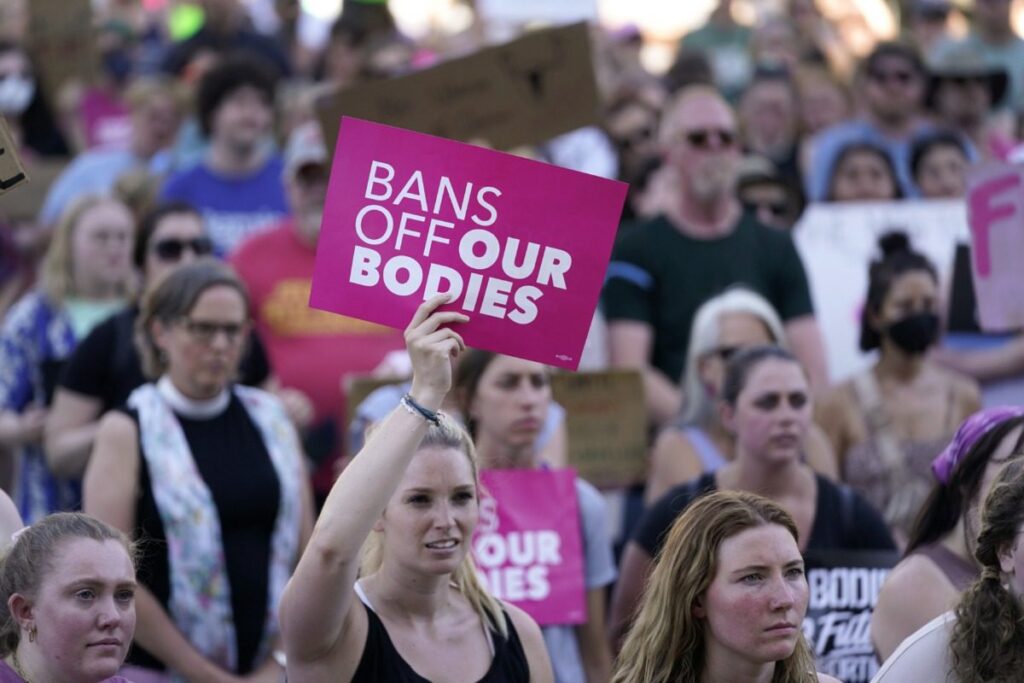
Abortion funds are a crucial piece of support that abortion seekers have in the South, and the need will overwhelm us so long as we continue to be driven by instances of rage and moments of fury.
The Republican nominee for attorney general isn’t retracting his support for the embattled gubernatorial candidate. Bishop has in the past described Robinson as “groundbreaking” and “the most formidable candidate [he’s] ever seen in North Carolina.”
The Senate filibuster rule requires a 60-vote threshold for most legislation to pass, making it virtually impossible to pass abortion rights legislation due to Republican opposition. Without the filibuster, a law restoring Roe v. Wade could pass with a simple majority, or 51 Senate votes.
House Bill 804 would criminalize abortion from the moment of conception, with limited exceptions. If passed, this bill would be one of the most extreme measures the state has seen.
Amid abortion access struggles in NC, a painting donation to local abortion clinics stands as a tribute to providers and patients navigating the state’s ever-changing restrictions.
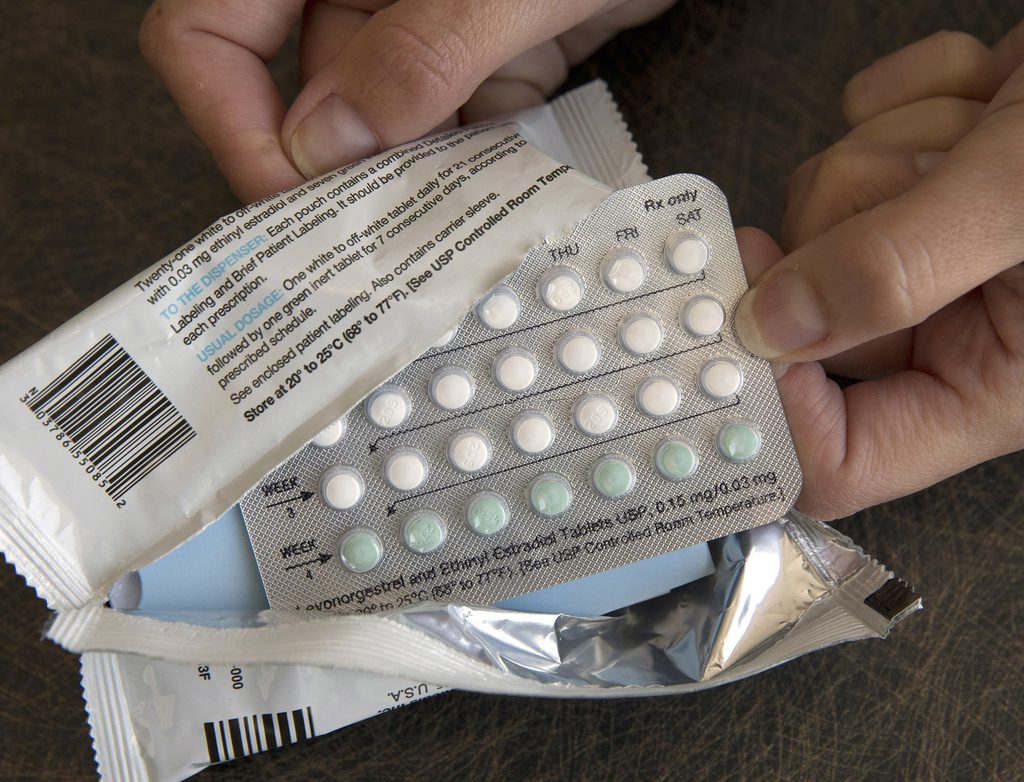
A new study has found that from May to August 2022, vasectomies surged by 95% and tubal sterilizations increased by 70% among adults ages 19 to 26. Health care professionals across the country have seen this in real time.