
The ACA helped North Carolina expand Medicaid to more than 720,000 people, and prevented insurers from refusing to cover people with pre-existing conditions.
Search
The ACA helped North Carolina expand Medicaid to more than 720,000 people, and prevented insurers from refusing to cover people with pre-existing conditions.

Affordable Care Act tax credits that reduced premium costs for millions of Americans expired after inaction from Congress. Here’s what that means for you.
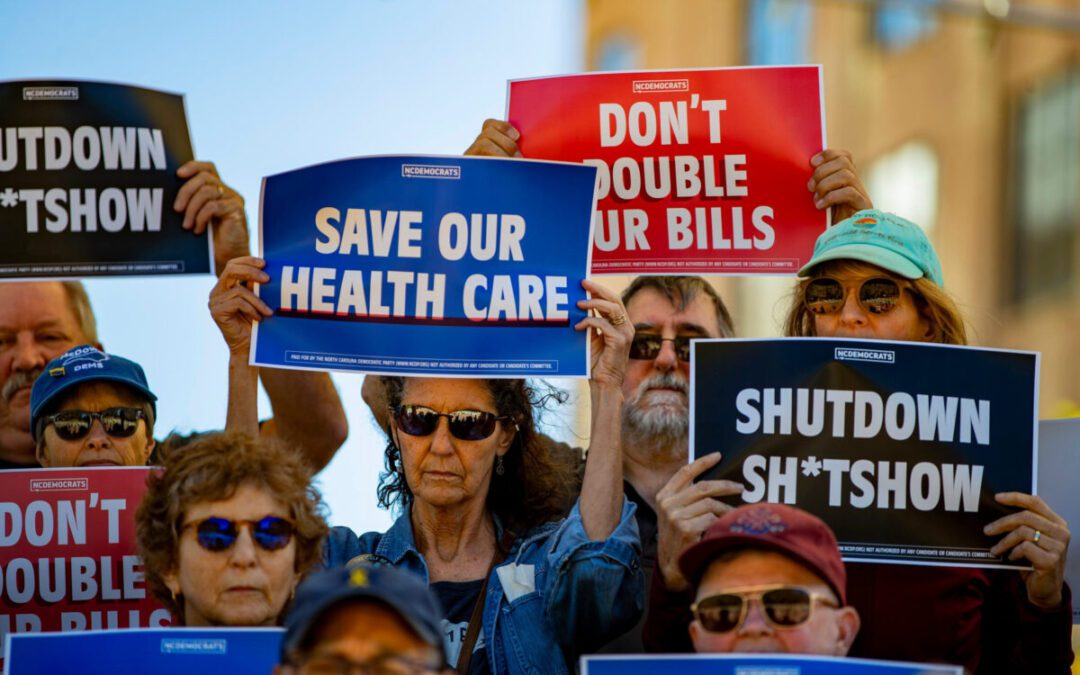
With Republicans in D.C. blocking renewed Affordable Care Act subsidies, North Carolina is passing along steep rate hikes for health care coverage.
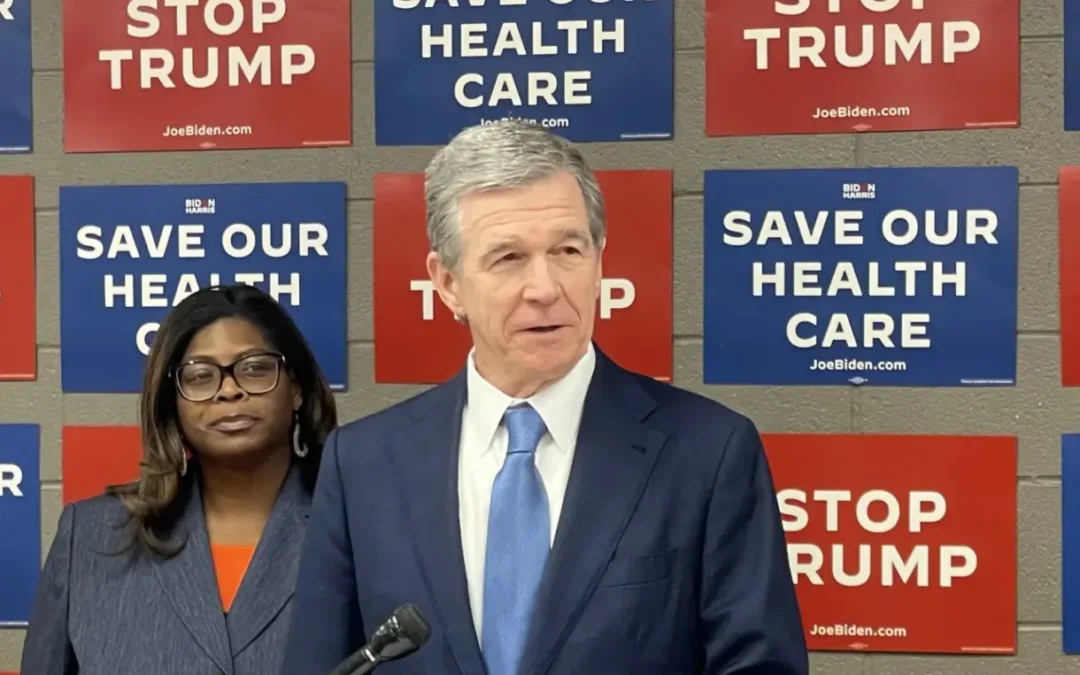
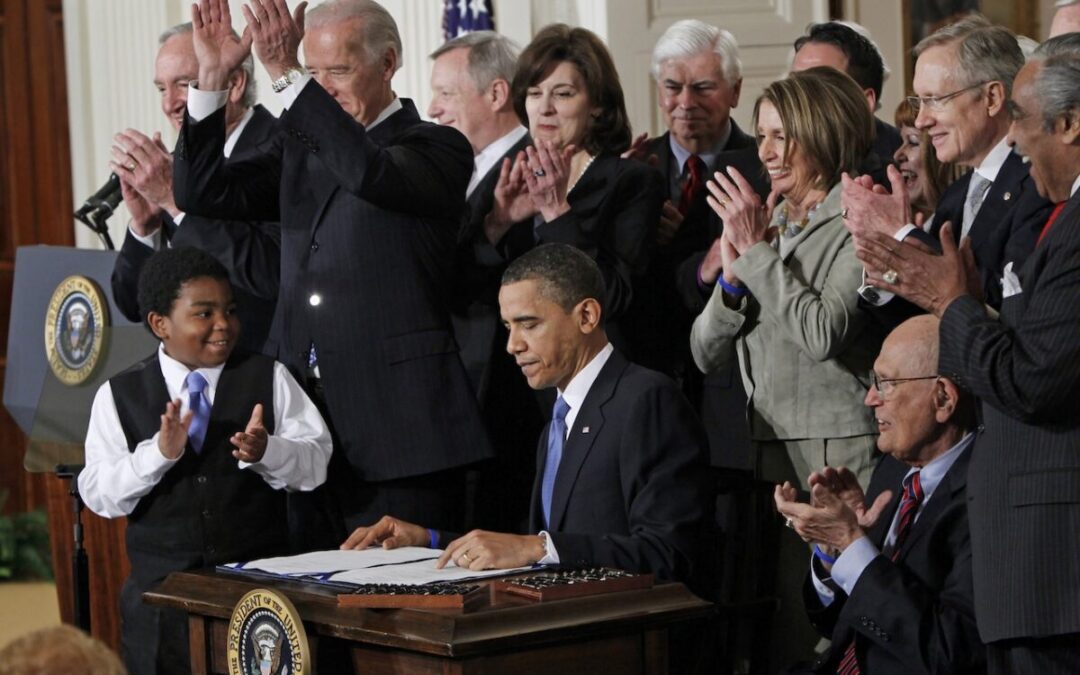
The Affordable Care Act expanded access to healthcare for millions of Americans. A second Trump presidency could end that progress, especially in rural North Carolina. Fourteen years ago, on March 23, 2010, President Barack Obama signed the Affordable Care Act (ACA)...
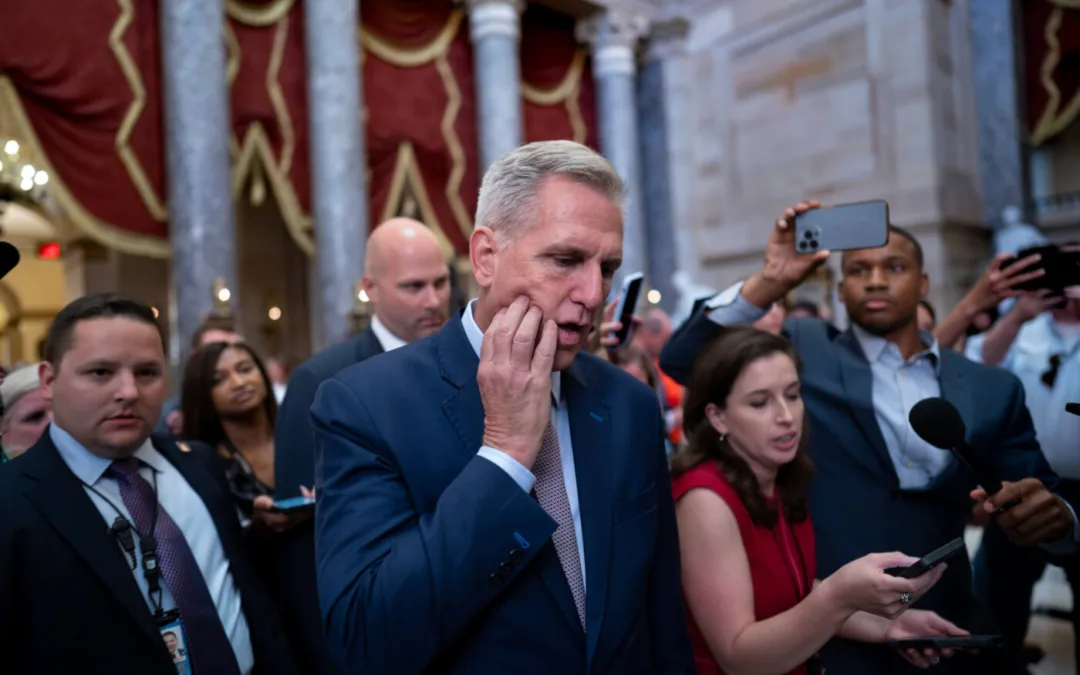
House Republicans want to apply deep cuts to everything from health insurance to food assistance benefits, an effort that would plunge millions more Americans into extreme poverty.

There are a number of changes coming to ACA coverage in 2023. Here’s a breakdown of what enrollees need to know, and how to apply.
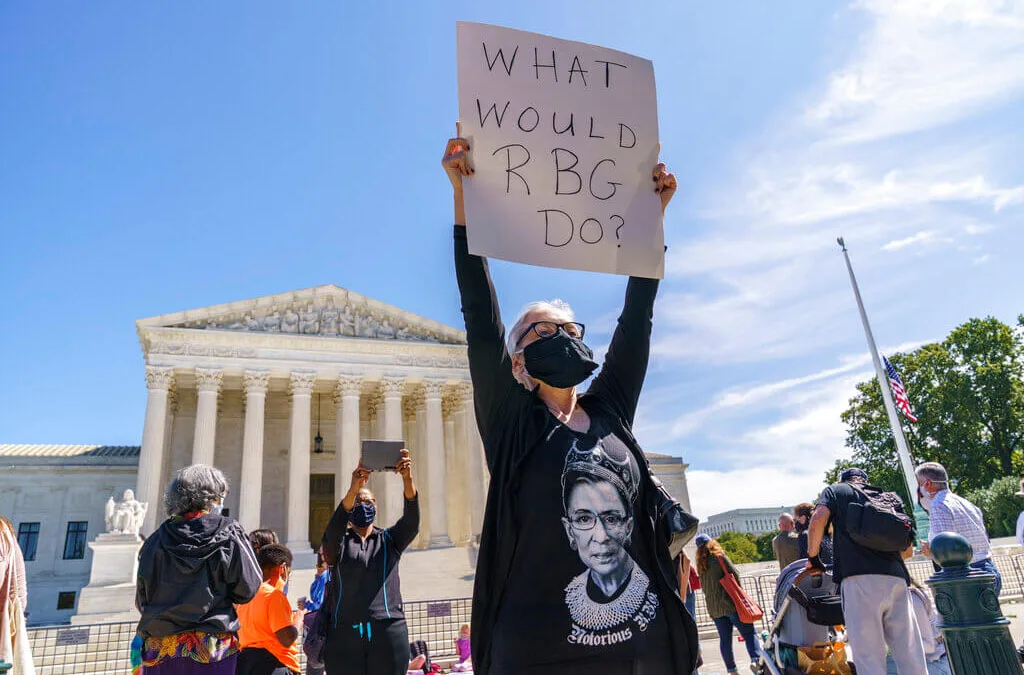
The healthcare law is in front of the Supreme Court once again in November, so COURIER decided to answer some of the most frequently asked questions about the ACA.
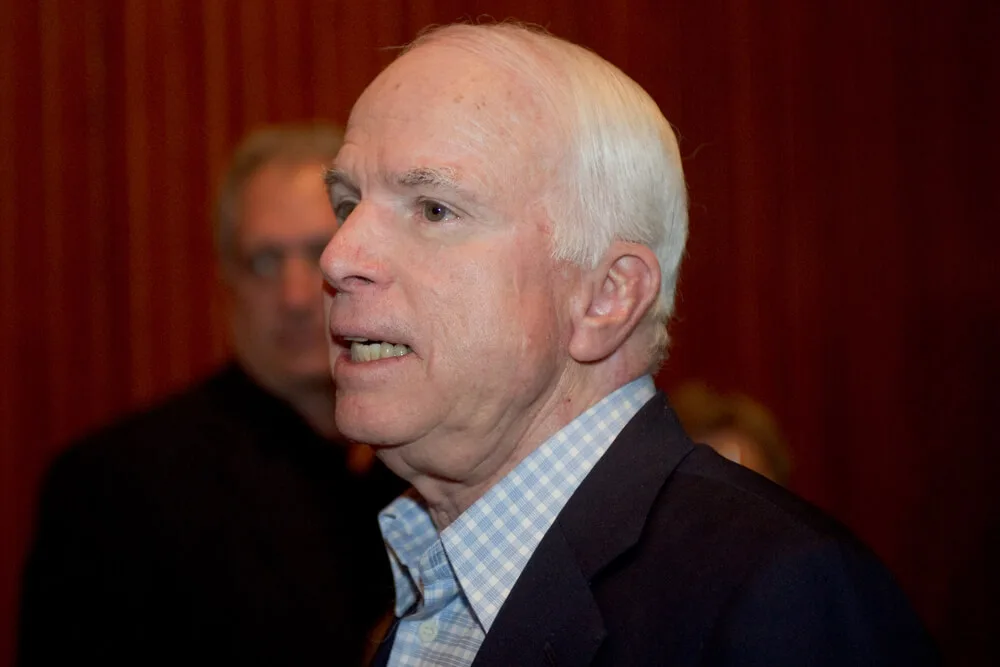
On the anniversary of McCain’s vote, state and federal lawmakers warn that the ACA is still in peril as US Supreme Court weighs law’s fate.
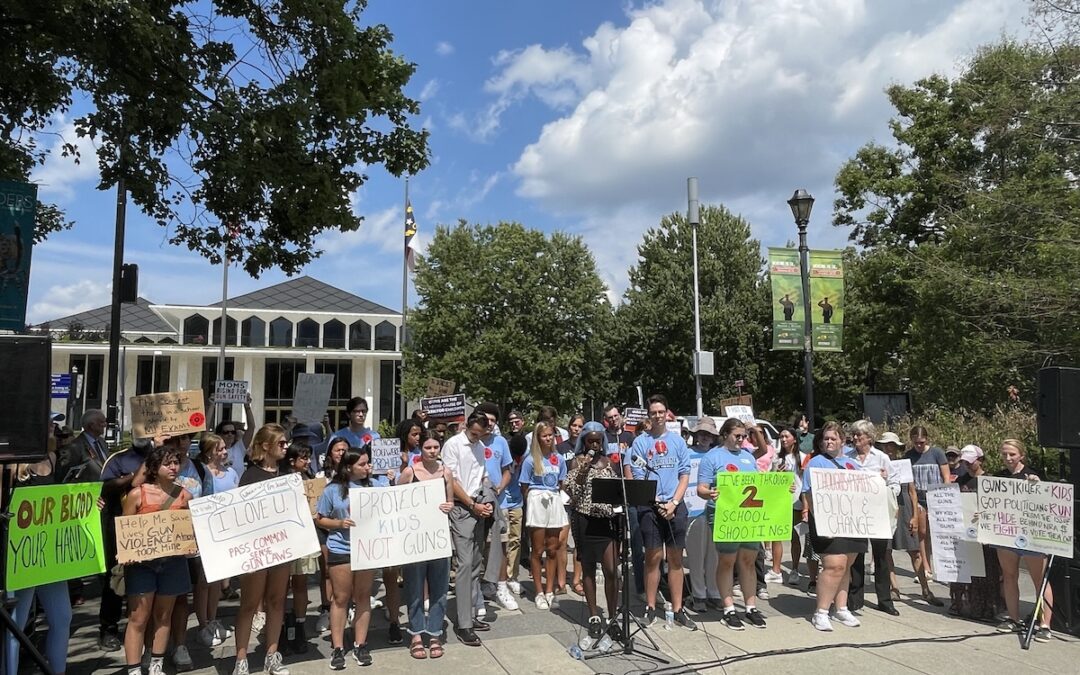
Across North Carolina, rallies against ICE, healthcare cuts, and the Trump administration are taking place across North Carolina.
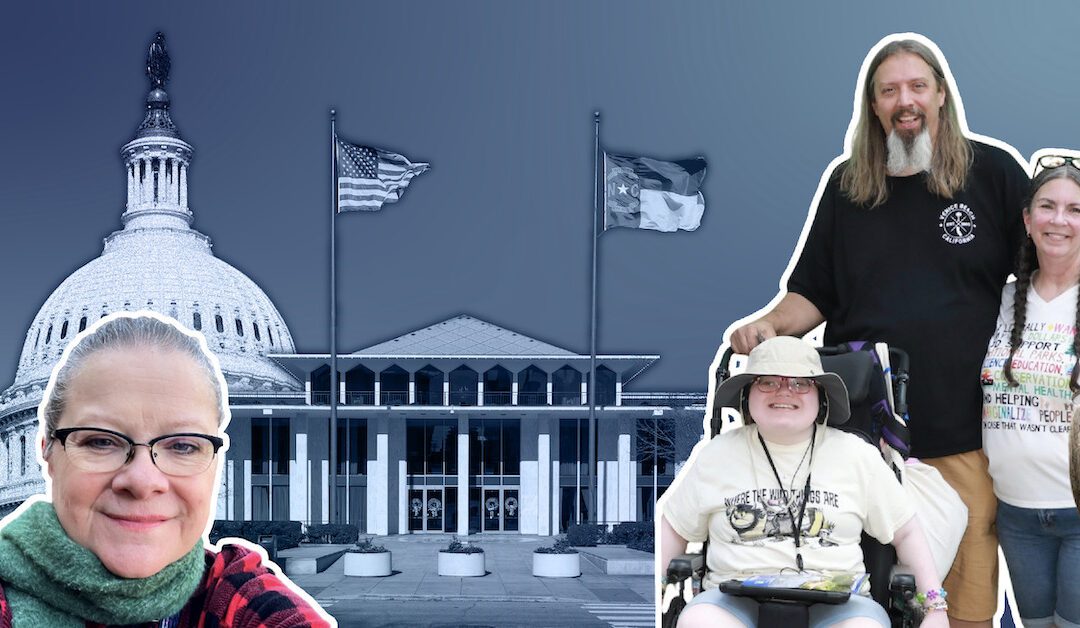
With Medicaid cuts looming, the families of North Carolinians who rely on it are worried about what comes next for their loved ones.

Across North Carolina, there are opportunities to protest ICE operations in the state, push back against the rise of authoritarianism in the country, and support public schools.

A weekly roundup of upcoming North Carolina political events, protests, advocacy opportunities, and ways to take action across the state.

The money will support childcare recovery after more than 230 childcare facilities were impacted by Helene and more than 100 childcare facilities were impacted by Debby.
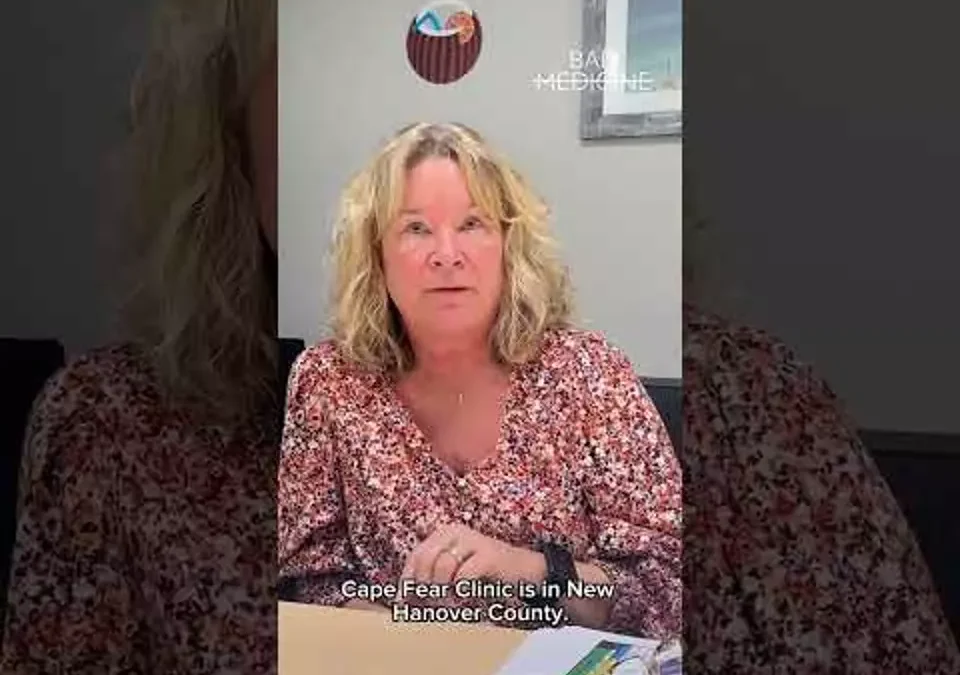
Free health care clinics hope to bridge the gaps as the loss of Affordable Care Act credits drives up the number of uninsured people in North Carolina.
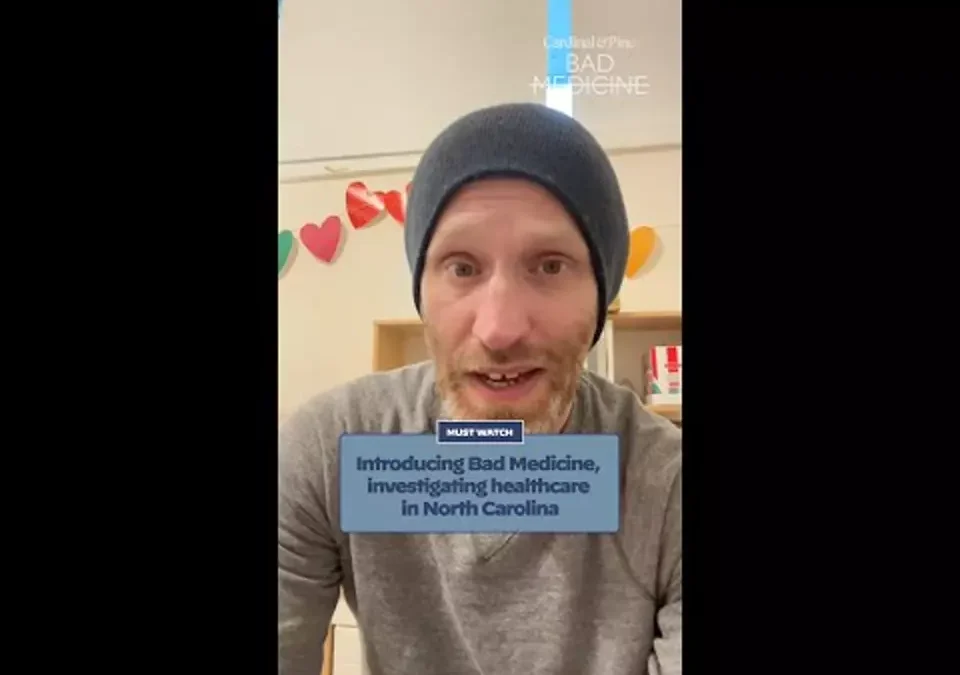
North Carolina’s healthcare system is facing one battle after another as decisions made in Washington make themselves felt here at home. That’s why we’re launching Bad Medicine.
For those who’ve lost health insurance, free clinics and providers offer help in uncertain times. Here’s how to get health care if you’re uninsured.

Cardinal & Pine taps its award-winning reporting to highlight the dangers federal policy changes pose to the state’s health care and what can be done about them.

A NC civil rights group says it is asking people to boycott US Rep. Chuck Edwards’ fast food restaurants, including McDonald’s, because of his vote to cut food benefits for poor people.
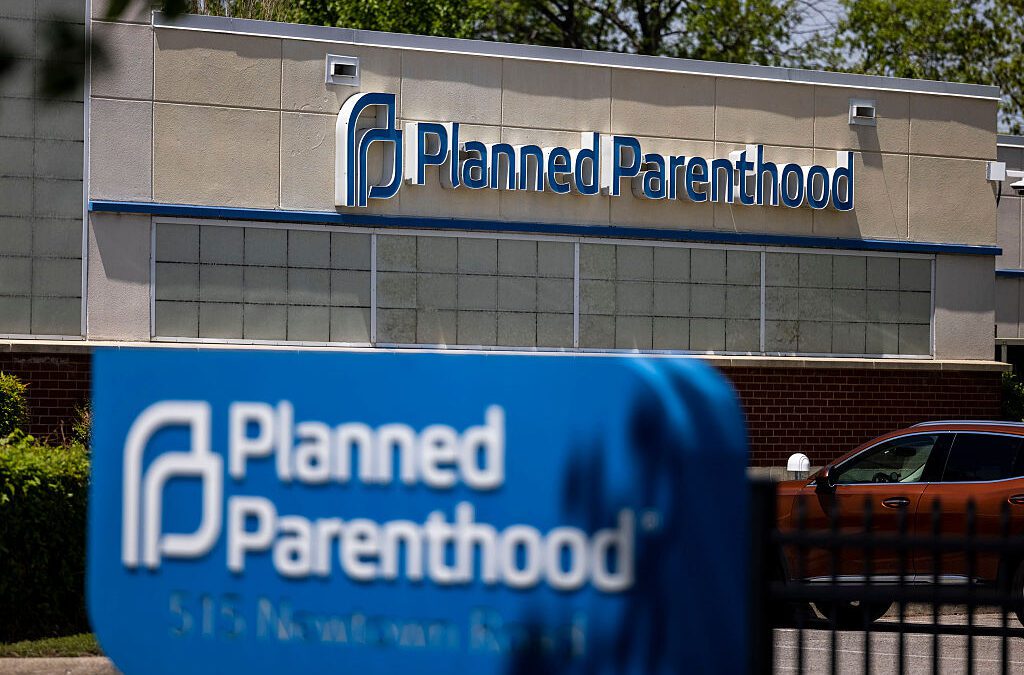
North Carolina Republicans approved a ‘bait and switch’ bill that would block Medicaid patients from using their insurance at Planned Parenthood clinics.
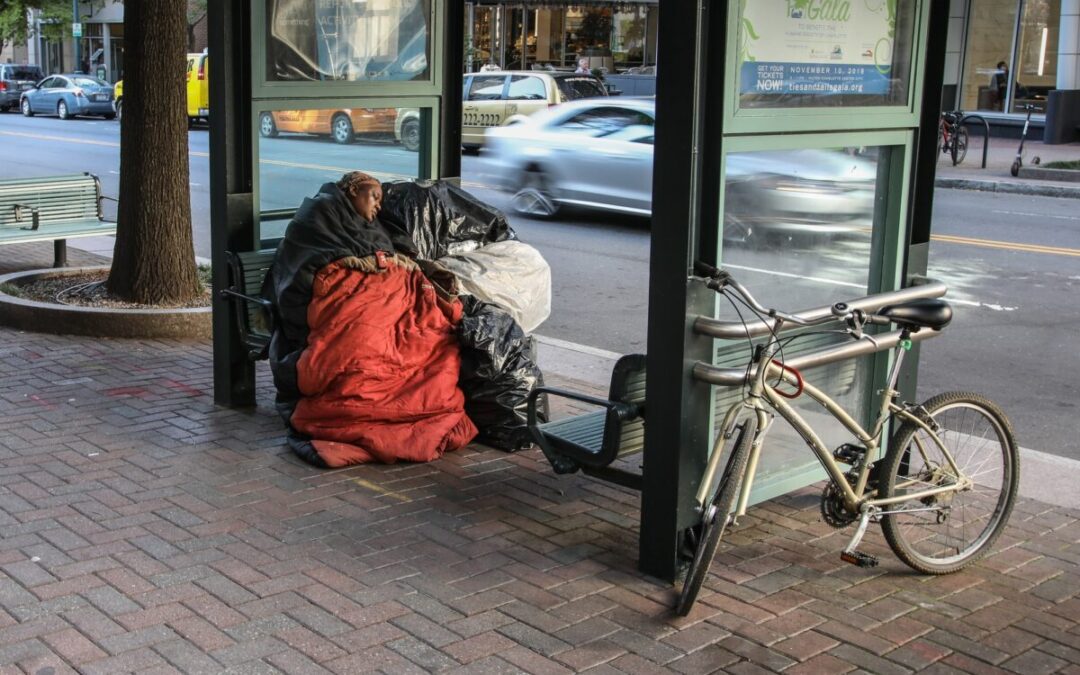
Floodwaters, rats, and mold once threatened to derail a Haywood County family’s future—until Medicaid helped them find safe housing. Now advocates warn stories like theirs may disappear under Republicans’ “big beautiful bill.”

There are at least 15 state House and Senate races that were decided by less than a 5% margin in the last election. That’s where NC Democrats need to concentrate their efforts if they want to one day have a larger say in state policy.

We treat childcare as a personal problem that deserves private suffering, instead of political action. I spent years thinking that it was my fault. As another mom said to me: “It feels like I’m the one doing something wrong.”

While North Carolina has expanded Medicaid for postpartum care, gaps in maternal support persist. Entrepreneurs and lawmakers are stepping in to provide critical resources for new mothers who lack essential postpartum support.

We can also expect the Trump Administration to take away affordable health care coverage and federal funding for people with low incomes, blocking them from getting essential services like birth control, STI testing and treatment, and cancer screenings from the reproductive health care provider they trust.

The biggest factor the polls aren’t showing is people. People volunteering. People talking with people. People rising. And, importantly, people who care deeply about real issues that lower costs for families and boost the economy – and importantly, people who also want less vitriol, racism, misogyny, and hate.
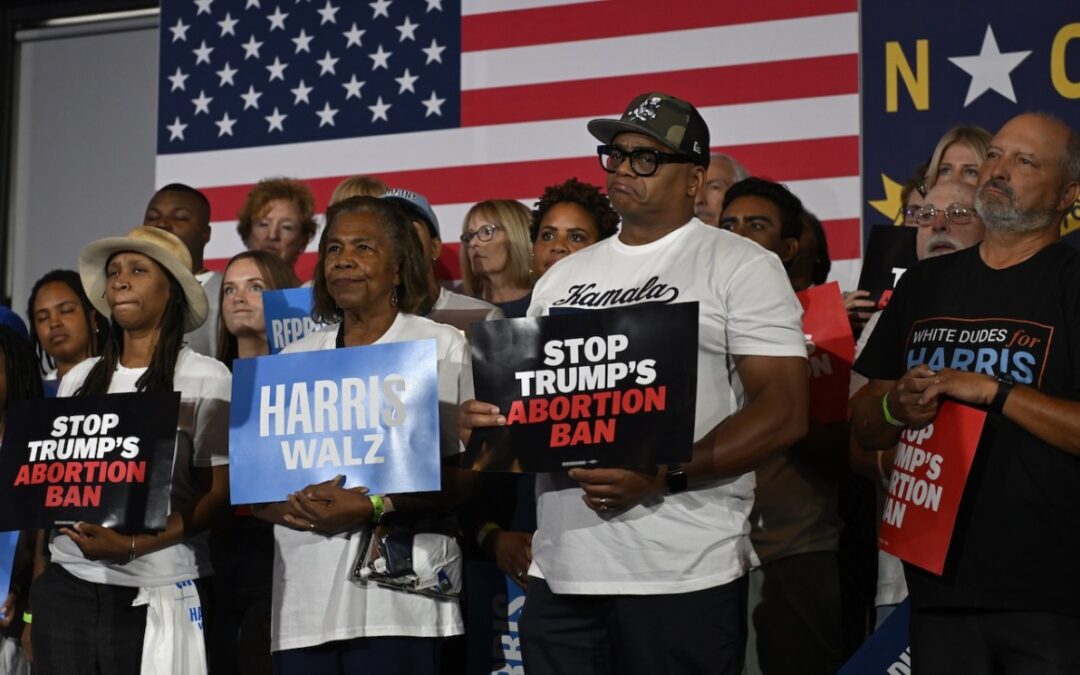
“Donald Trump’s actions and intentions would effectively put politicians in the exam room with doctors and our patients,” Dr. Amelia Sutton, a maternal-fetal medicine physician in Charlotte, writes in an op-ed.
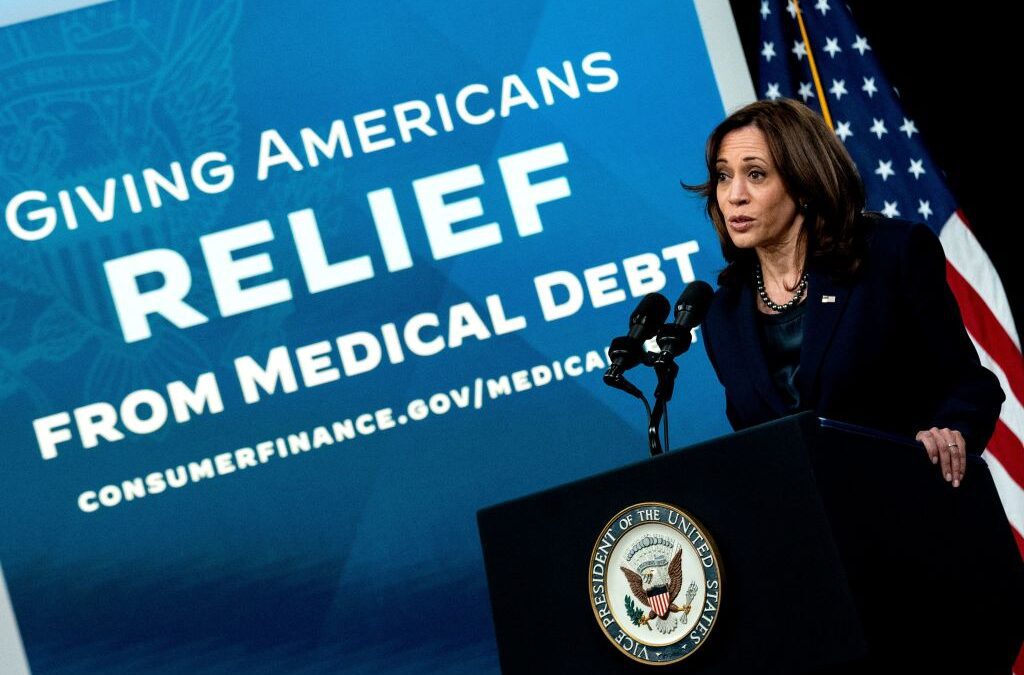
These actions include issuing advisories to prevent debt collectors from targeting families with illegal medical debt collection tactics and cracking down on certain collectors. The new efforts could have a major impact in North Carolina, where as many as three million people are affected by medical debt.
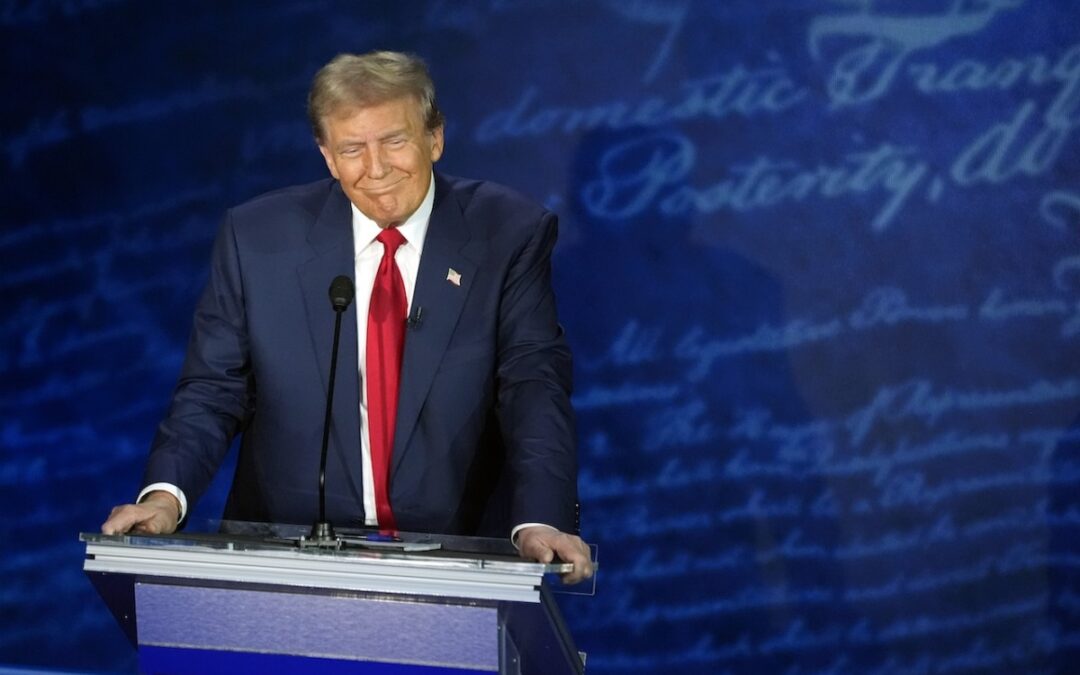
Trump’s healthcare ‘concepts’ include repealing the Affordable Care Act, which would strip health insurance from more than 1.5 million North Carolinians, increase costs, and put people with preexisting conditions at risk of losing their coverage, the Harris-Walz report says.
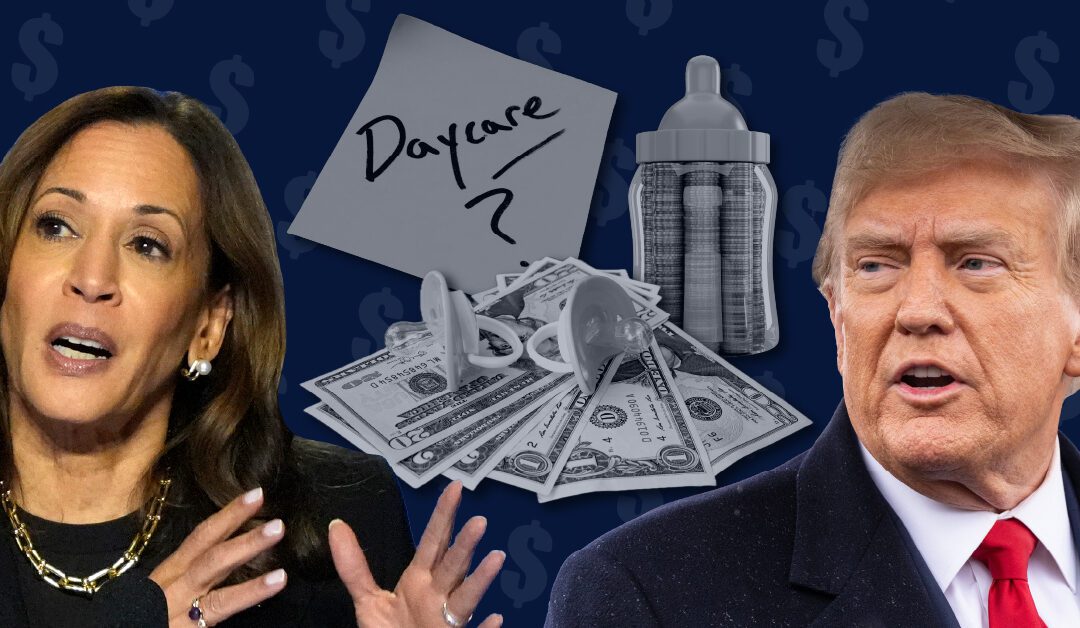
Harris has proposed capping families’ child care costs to 7% of their income and offering families of newborns up to $6,000 in the first year of the child’s life. Trump, on the other hand, has focused on tariffs as a solution to the child care crisis, despite evidence showing they would only raise costs for families.
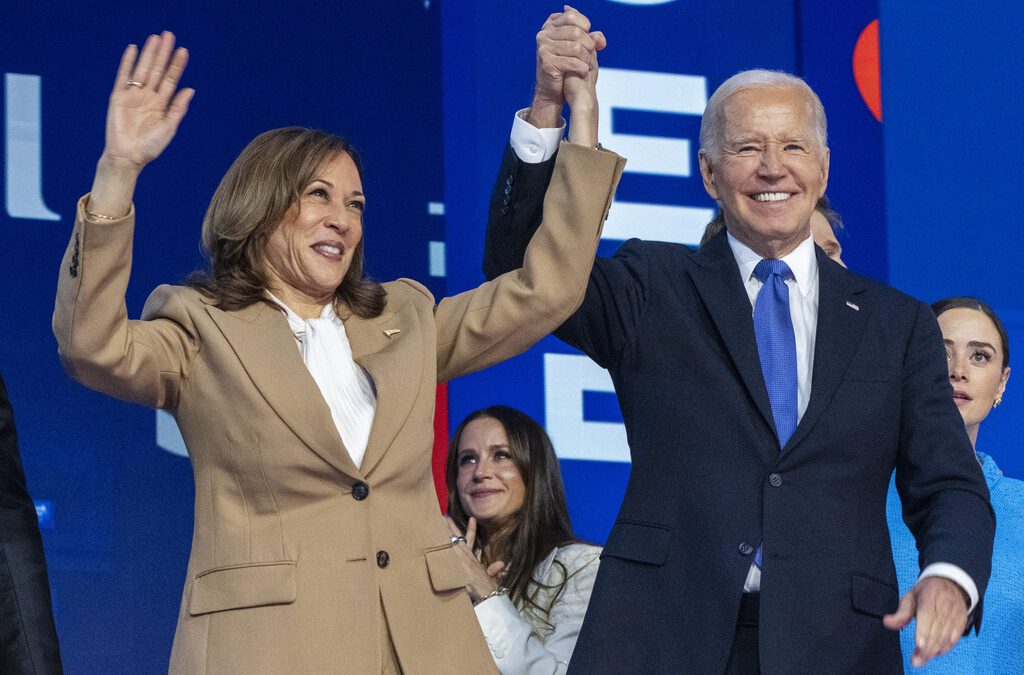
Vice President Kamala Harris announced lowered child care costs for working families in North Carolina, building on prior federal funding for child care programs and promising more.