We’ve long known that there is a childcare crisis in the United States, with rising costs to parents and low pay for childcare workers. Forty percent of those who work in childcare make so little they qualify for some form of public assistance, like food subsidies, according to EdNC.
Today, nearly 19,000 North Carolinians are on the waitlist for the Innovations Waiver, a Medicaid program in NC that helps fund care for people with intellectual and developmental disabilities. The average wait time is 12 to 15 years.
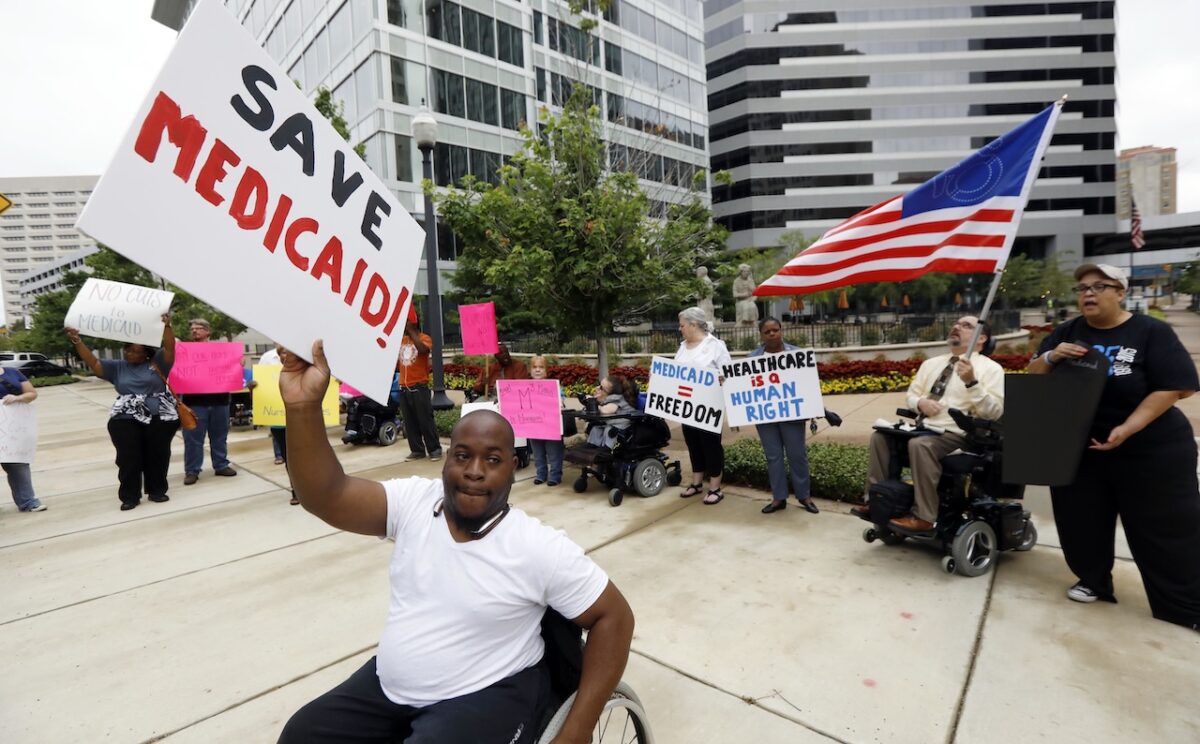
Because the Senate Republican majority is very slim, it will take only four Republican senators to block the Medicaid cuts. Several conservative Republican senators already have expressed serious concerns with cutting Medicaid, since millions of working-class Trump voters would lose their health coverage.
Since being diagnosed, Medicaid has been my lifeline, providing the infusion treatments that allow me to function daily. Without this support, my quality of life would drastically decline, and I could face premature death.
House Republicans’ budget proposal could cut over $800 billion from Medicaid, which would have devastating consequences for hundreds of thousands of North Carolinians, who could lose access to essential healthcare and medications.
The flu vaccine will never prevent all deaths or severe illness, but it helps reduce a significant amount of disease. But experts worry that without the U.S.’s contribution and coordination, the U.S. will fail the public it is sworn to protect.
The research infrastructure that saved my life, and that of countless others, was upended in early February when the Trump administration slashed the amount that research institutions receiving grants from the NIH can claim as overhead, or indirect cost. Now those indirect costs will be capped at 15 percent of the grant total.
PFAS, or “forever chemicals," are linked to cancer, birth abnormalities, and other health ailments. But Trump is pushing back a long-awaited plan to set federal limits on them.
State policymakers, including leaders in North Carolina, are choosing between the long-term benefits of weight loss drugs and reducing obesity among public employees, and the short-term costs.
Floodwaters, rats, and mold once threatened to derail a Haywood County family’s future—until Medicaid helped them find safe housing. Now advocates warn stories like theirs may disappear under Republicans’ “big beautiful bill.”
Lawmakers are not set to return until three weeks after the state is scheduled to enact cuts that could cause some of the most vulnerable residents to lose their life-saving care.
To control costs, nearly all health insurers use a system called prior authorization, which requires patients or their providers to seek approval before they can get certain procedures, tests, and prescriptions.
As Medicaid cuts loom thanks to President Donald Trump’s “One Big Beautiful Bill Act,” families across the country, including here in North Carolina, have to contend with the potential loss of benefits.
North Carolina's lack of child psychiatrists, especially in rural areas, leaves pediatricians to face conditions beyond their specialty. Here's how the NC Psychiatry Access Line (NC-PAL) helps.
Through a model called direct primary care, more NC employers—like the city of Charlotte—are bypassing insurance and paying doctors directly, “like a gym membership for health care.”