But if Riggs defeats Republican Appellate Court Judge Jefferson Griffin in November, and if Democrats can hold Justice Anita Earls’ seat in 2026, they have an opportunity to retake the majority in 2028 and reverse the rightward drift of the court.
In 2012, when the General Assembly passed their voter ID law and faced a lawsuit from the Obama administration, then-Attorney General Roy Cooper said the law was “one of the worst election pieces of legislation in the country.” Cooper also urged Governor Pat McCrory to veto the bill.
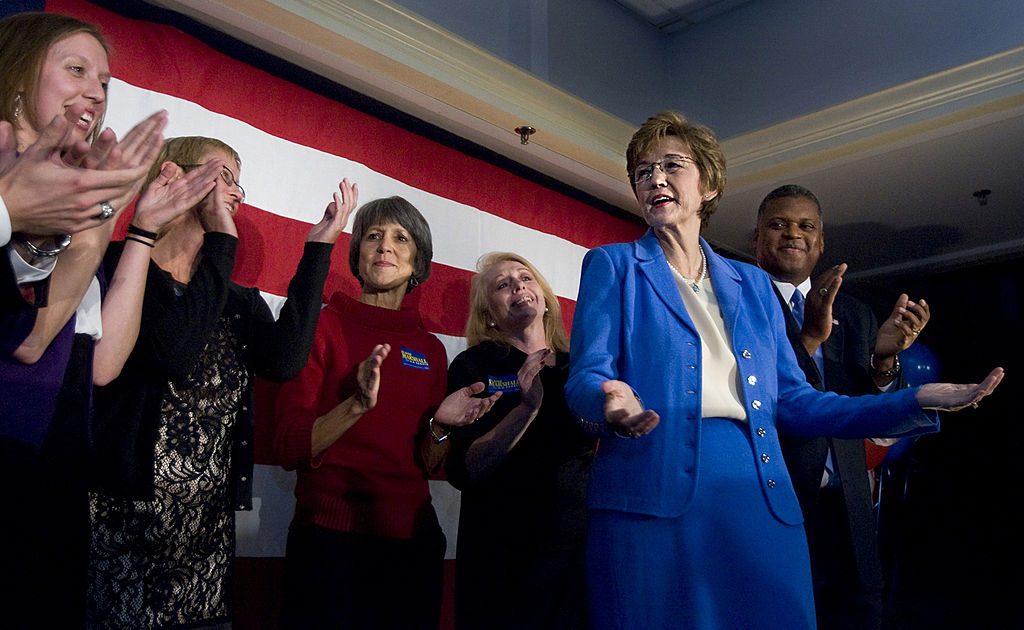
Elaine Marshall, one of the state’s longest-serving elected officials, is facing a Republican who’s promoting his campaign with a gun raffle and by talking a lot about abortion—though the NC secretary of state has no power over that.
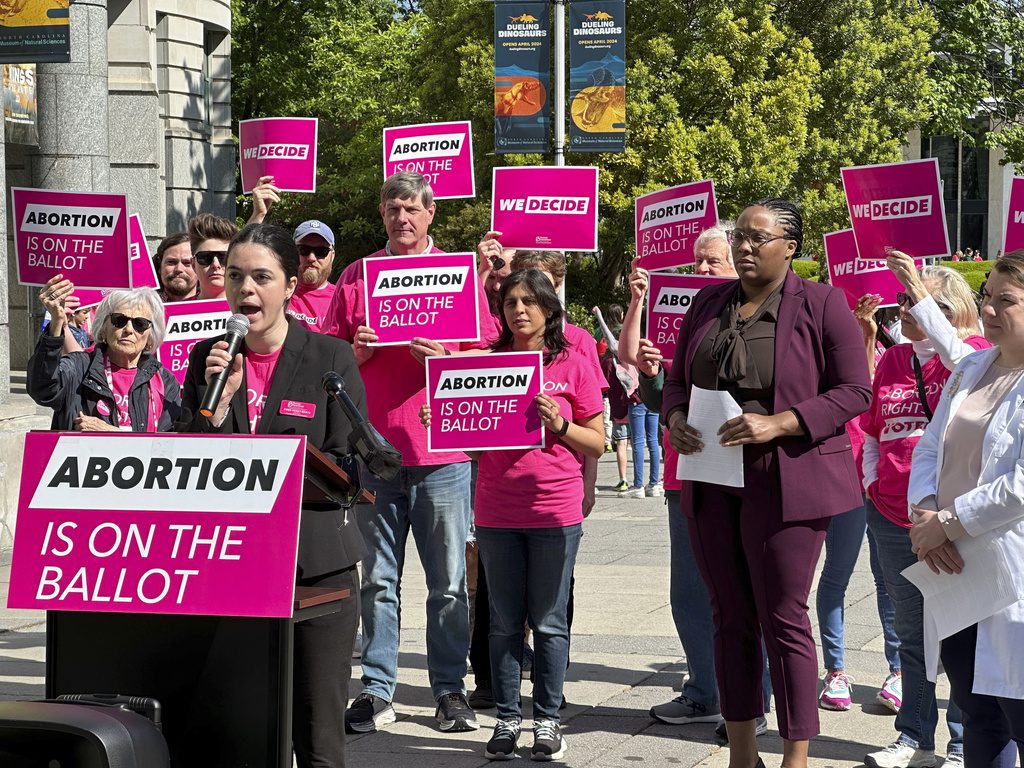
A seat on the North Carolina Supreme Court is up for grabs in November, when voters will decide who sits on the most powerful court in the state—and who has the final say on some of the most important legal issues in the state, such as reproductive freedom.