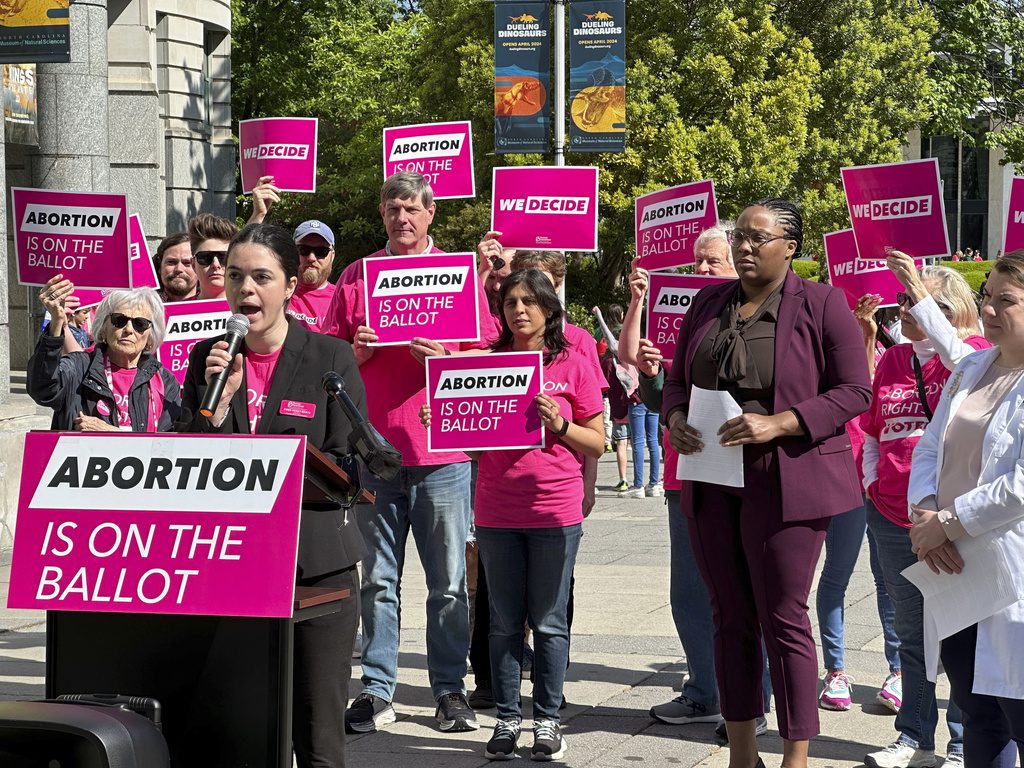
A seat on the North Carolina Supreme Court is up for grabs in November, when voters will decide who sits on the most powerful court in the state—and who has the final say on some of the most important legal issues in the state, such as reproductive freedom.
The North Carolina Supreme Court ruled this month that Justice Phil Berger Jr. did not have to recuse himself from the rehearing of the Leandro case, involving his father, State Senate Pro Tempore Phil Berger, allowing the younger Berger to help decide the outcome....
Earls, the only Black woman on the North Carolina Supreme Court, was being investigated by the state judicial watchdog for criticizing the court’s lack of diversity. North Carolina’s judicial ethics commission dismissed its investigation into anonymous complaints...
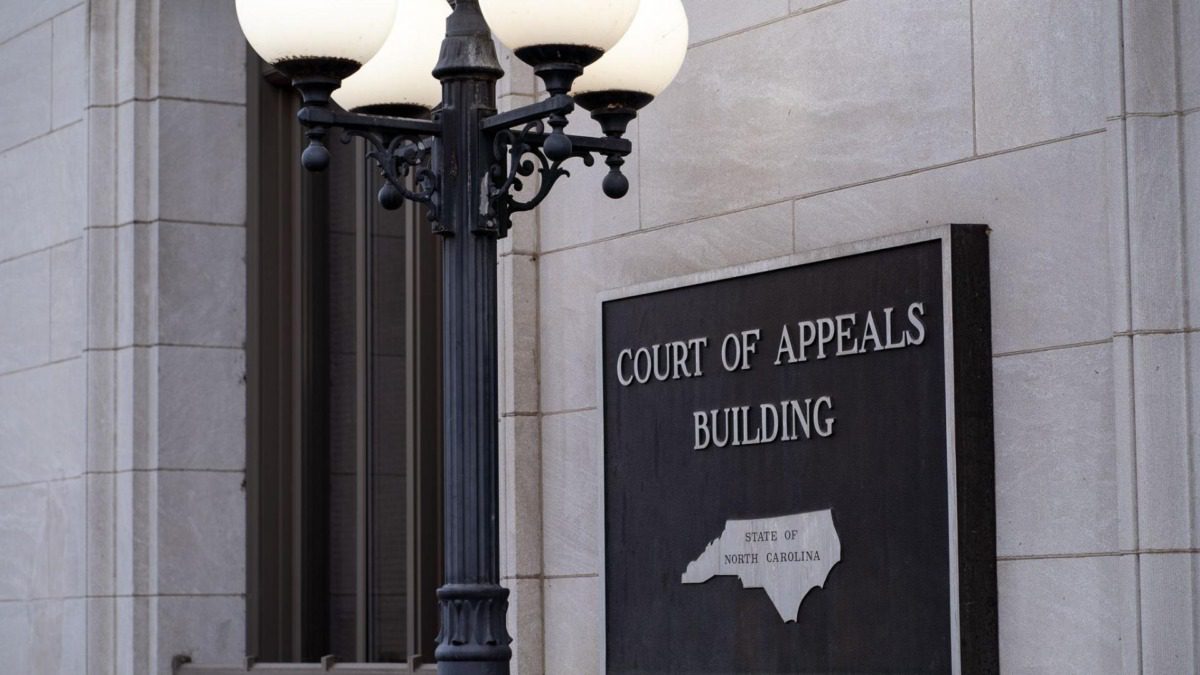
In a last-minute ruling, the NC Court of Appeals ruled in favor of Republicans who argued that state law allowed only physical copies of the ID to be used to vote.
The governor’s race is crucial. The presidential election is enormous. But in North Carolina, no race has bigger stakes for the democratic process than one low-visibility race for NC Supreme Court.
In addition to the Supreme Court race, there are also three seats on the NC Court of Appeals on the ballot. Judge Carolyn Thompson, Marion Martin, and Ed Eldred are all incredibly qualified candidates. They believe in the rule of law, that due process and equal protection matter, and that power and money should not sway decisions.
But if Riggs defeats Republican Appellate Court Judge Jefferson Griffin in November, and if Democrats can hold Justice Anita Earls’ seat in 2026, they have an opportunity to retake the majority in 2028 and reverse the rightward drift of the court.