The North Carolina Rural Infrastructure Authority (RIA) this month gave the greenlight to fund eight projects in communities across North Carolina, providing $1.5 million dollars to support a variety of projects and help create 270 jobs. “These funds make...
Systemic racism has many tentacles. On Rosa Parks' birthday, we remember how access to public transit has been denied to many Black communities. It's still an issue today.
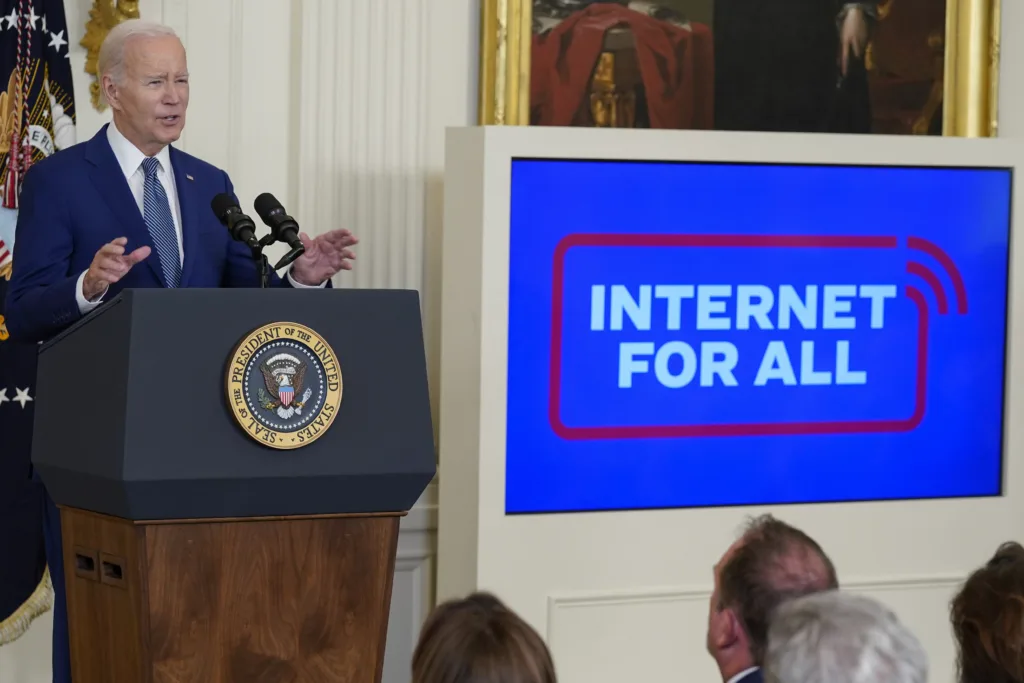
About 863,000 households in North Carolina have enrolled in President Biden’s Affordable Connectivity Program, which provides discounts on internet bills.
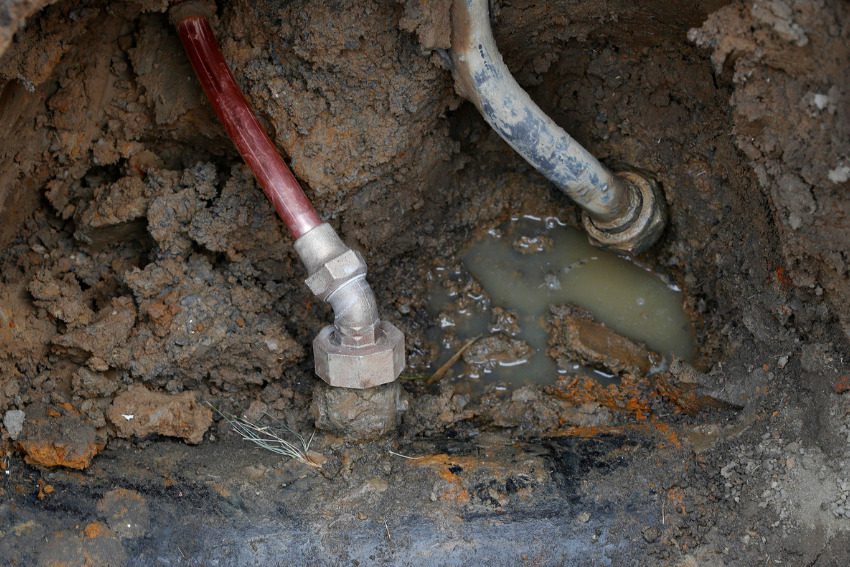
The proposed rule would require utility companies to locate and dig up roughly 370,000 lead pipes statewide within 10 years to ensure clean drinking water for North Carolinians and to protect children’s health.
This funding’s aim is to help connect the estimated 8.5 million families and small businesses nationwide that still haven’t been able to access the full capabilities of modern technology.
In North Carolina, 158 infrastructure projects have been announced so far, and more are in the works. Here’s a look at the work that’s being done in the Tar Heel State and how it helps North Carolinians.
A decade after the Flint water crisis raised alarms about the continuing dangers of lead in tap water, President Joe Biden is setting a 10-year deadline for cities across the nation to replace their lead pipes.
Ex-President Donald Trump and Vice President Kamala Harris met for their first presidential debate—and Trump unleashed a barrage of lies and misleading claims.
Wake County is at a critical juncture. As its skyline rises and new residents flood in, long-term community members face an increasingly unaffordable housing market.
In this op-ed, Justin Maxson and Sarah Jaynes advocate for prioritizing federal investments to uplift all communities and ensure widespread economic benefits.
State and federal leaders say they’re making progress extending access into NC broadband internet gaps—mostly because of Biden infrastructure funding—but the Republican closure of an affordable broadband program for lower-income people threatens to dampen progress.