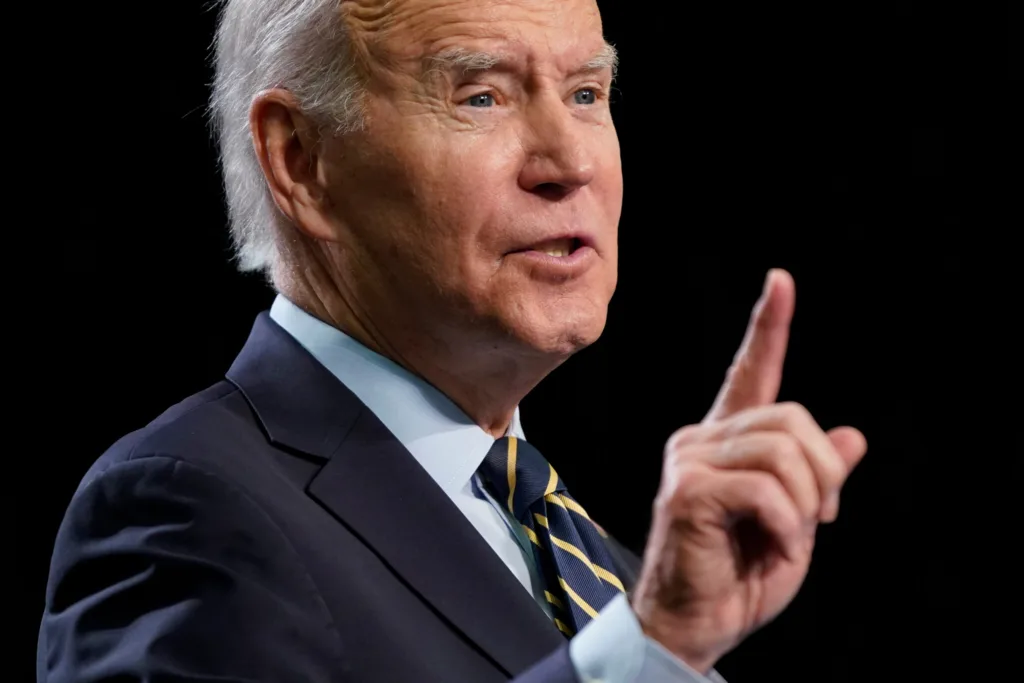
The provision, signed into law by President Biden, will significantly lower out-of-pocket drug costs for many of the nearly 1.7 million North Carolina seniors enrolled in Medicare Part D coverage, starting in 2026.
Starting in 2026, the prices for these drugs will decrease for up to nine million seniors, thanks to a provision in President Biden’s Inflation Reduction Act that allows Medicare to negotiate the prices for these drugs directly with the manufacturers.
The law ensured that 135,000 North Carolinians were able to keep their health insurance, reduced the cost of insulin for nearly 57,000 seniors, and incentivized several manufacturers to invest in the state and create more clean energy jobs.
Short-term plans offer limited coverage, can deny coverage based on pre-existing conditions, and trick consumers into buying products that provide “little or no coverage when they need it most."
House Republicans’ latest attack on the Inflation Reduction Act comes in the form of the Limit, Save, Grow Act of 2023, which would repeal or shorten clean energy and manufacturing incentives.
Biden’s plan would increase the Medicare tax rate on Americans earning above $400,000 from 3.8% to 5% to help keep Medicare solvent into the 2050s. No one earning under $400,000 a year would pay a dime more in taxes, under Biden’s plan.
The Biden administration announced recently that the U.S. will no longer be in a COVID-19 emergency as of May 11, which means that an estimated five to 14 million Americans could lose access to health insurance via Medicaid.
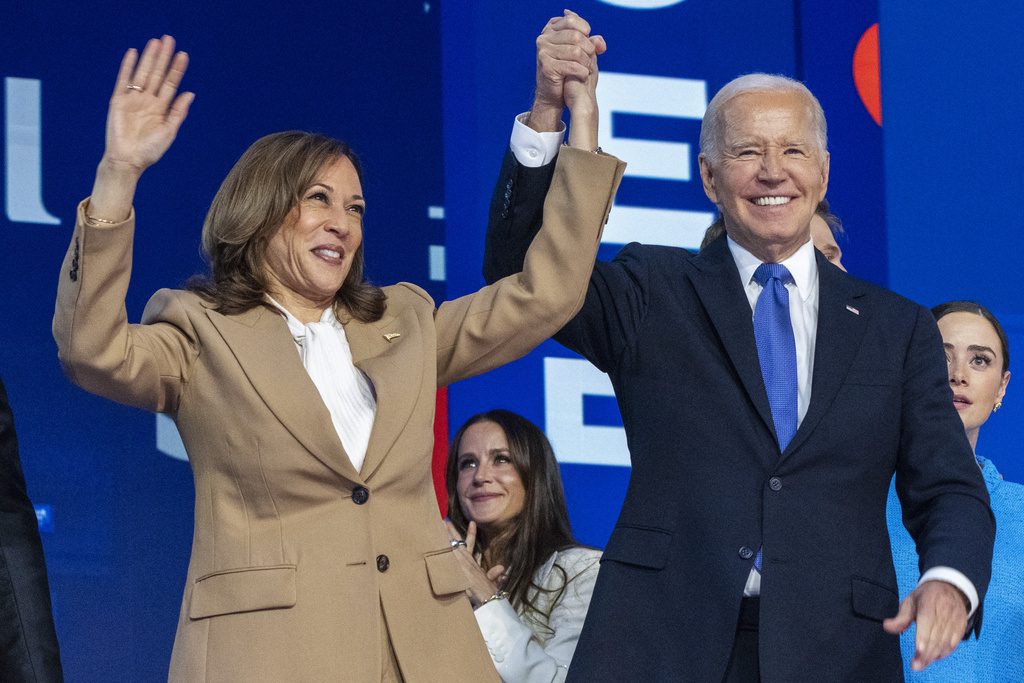
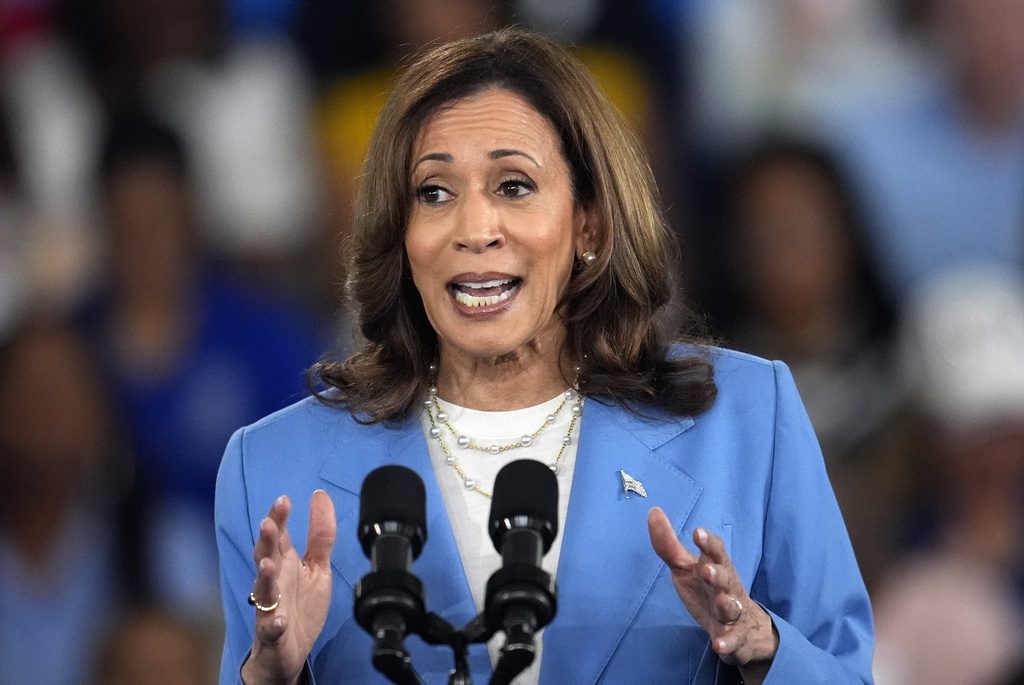
Vice President Kamala Harris announced lowered child care costs for working families in North Carolina, building on prior federal funding for child care programs and promising more.
In her eighth visit to North Carolina this year, VP Kamala Harris proposed plans to build three million new homes, help first-time homebuyers and renters, stop price gouging, and provide economic support for families.
The Inflation Reduction Act ensured that 135,000 North Carolinians were able to keep their health insurance, reduced the cost of insulin for nearly 57,000 North Carolina seniors, and incentivized manufacturers to invest in the state and create more clean energy jobs.
The White House estimates that these new prices will lead to around $6 billion in savings for the Medicare program in 2026. The new prices will be anywhere from 38% to 79% lower than the drugs’ list prices last year, saving seniors on Medicare an estimated $1.5 billion in out-of-pocket costs in 2026 alone.