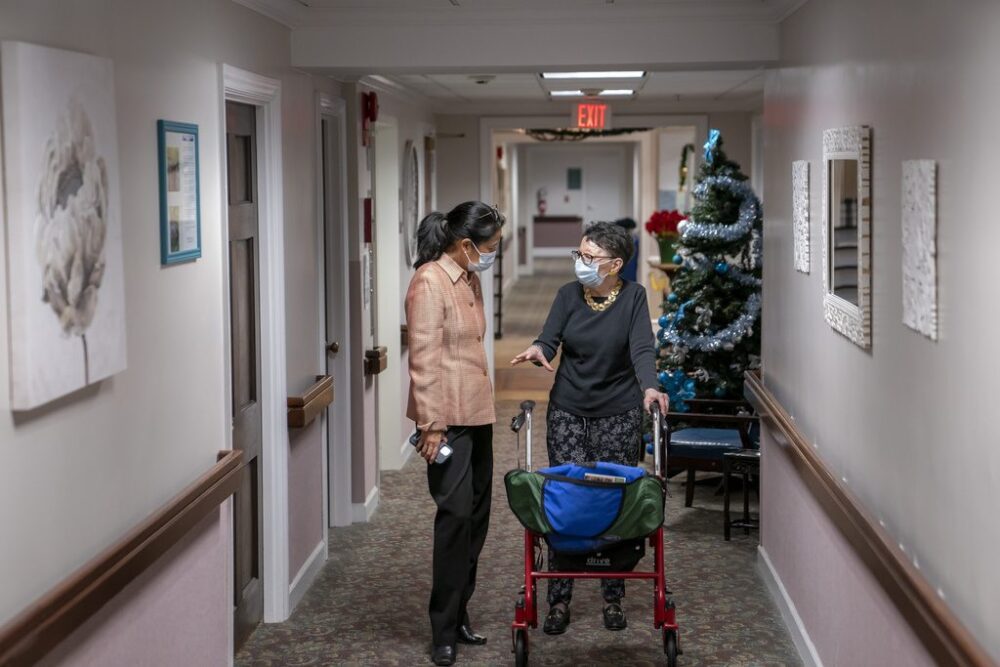
The rules issued last month establish national minimum staffing requirements for federally-funded nursing homes, enact national appointment wait time standards for Medicaid and CHIP enrollees, and more.
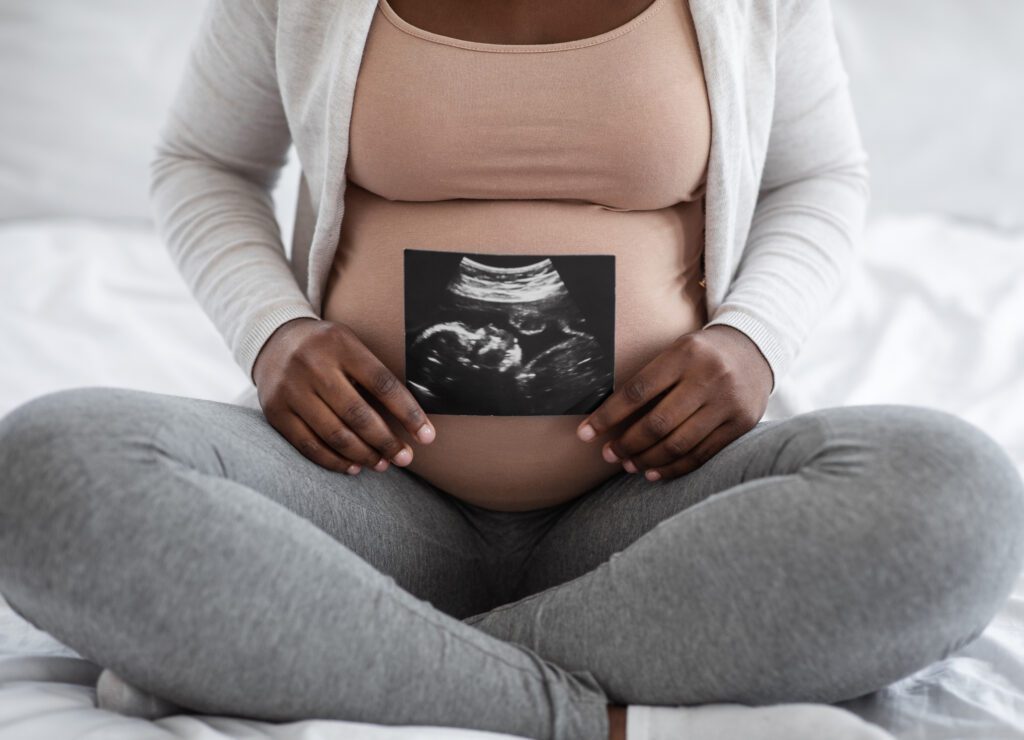
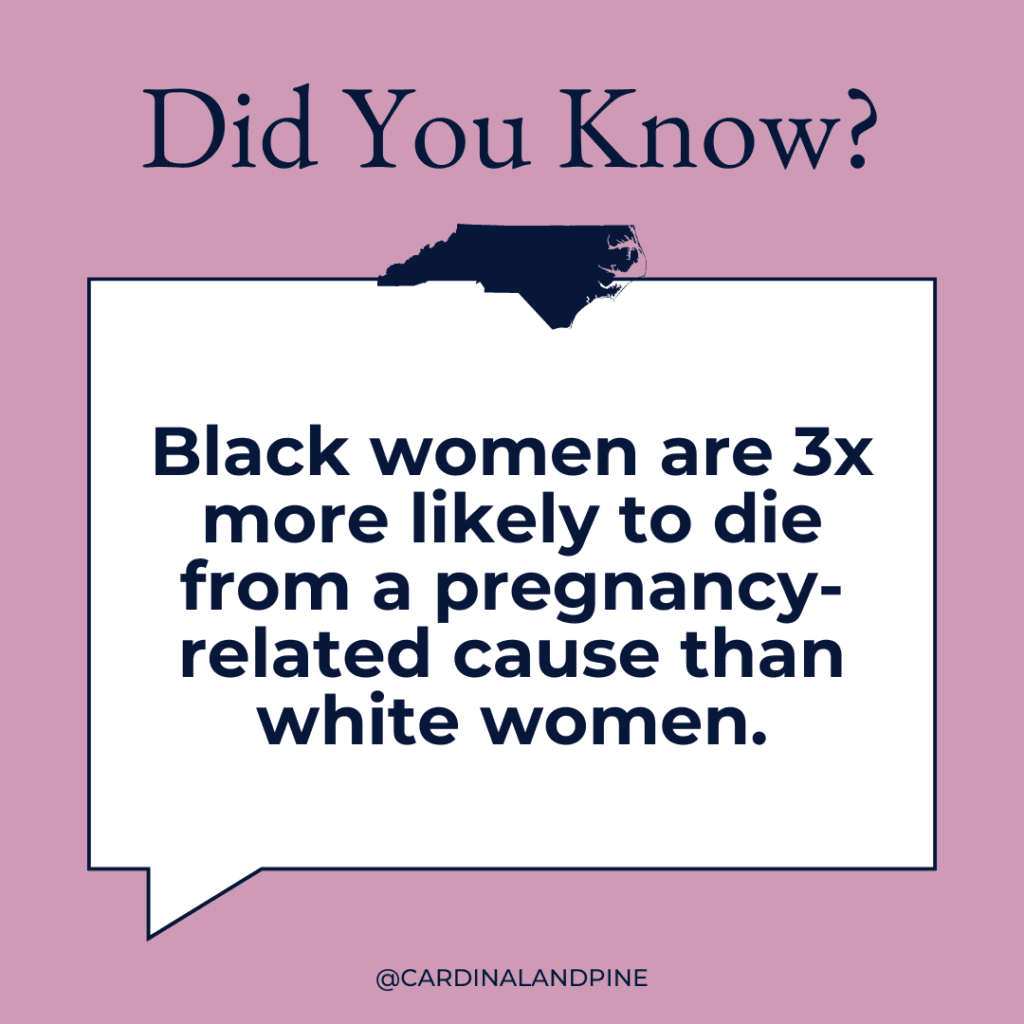
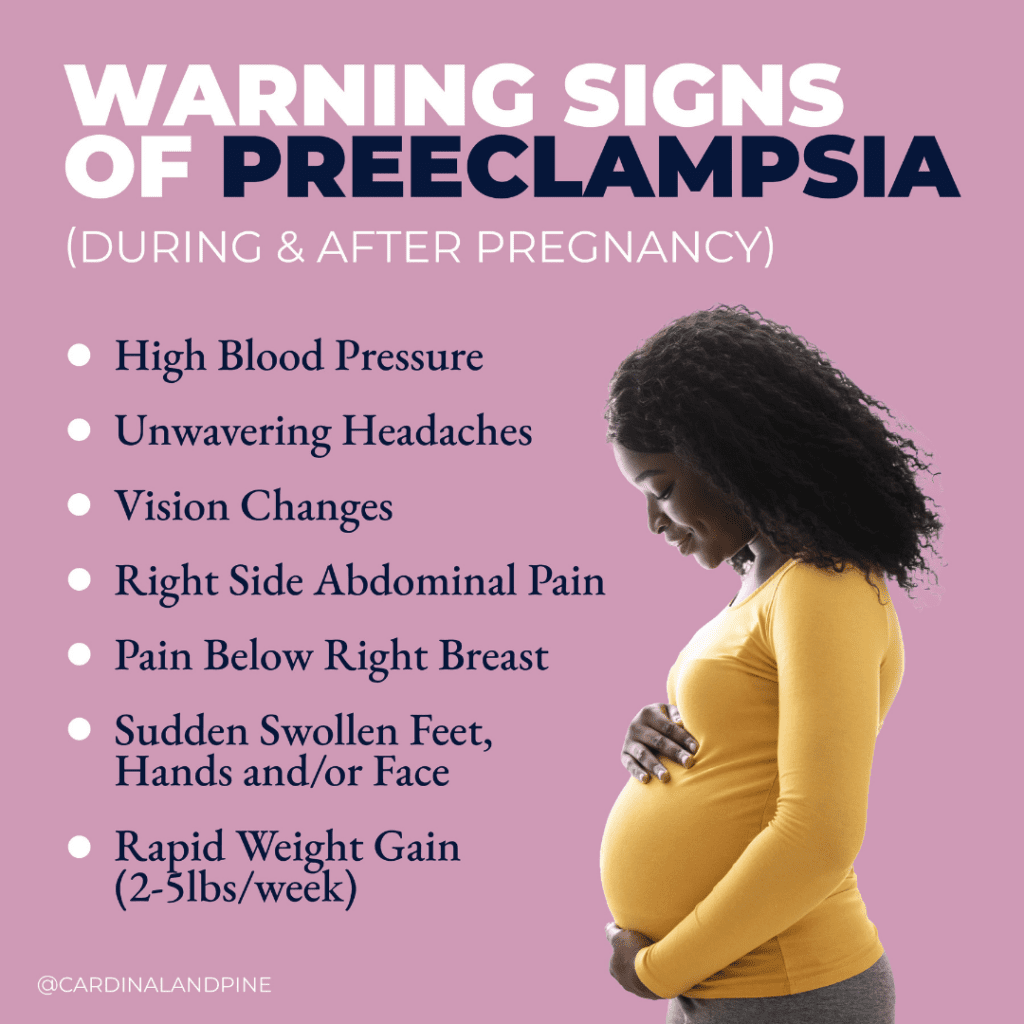
As NC’s health leaders grapple with a maternal health crisis that’s particularly impactful for Black women—who are three times more likely to die from pregnancy-related complications than white women—midwives could play a huge role.
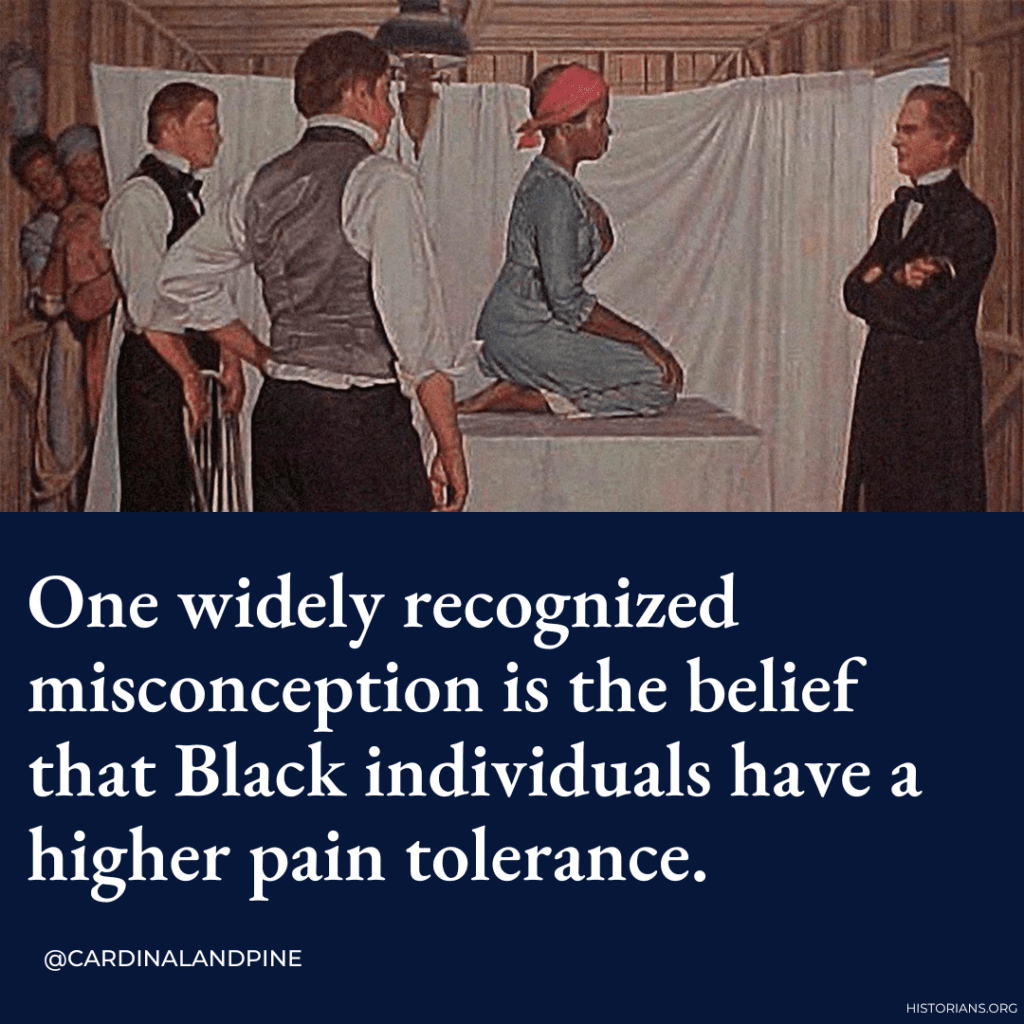
The leaders of a groundbreaking birthing center in North Carolina on the Black maternal health crisis, what they do, and the racist roots of prejudice against midwives.
It's time to confront the harsh realities of systemic inequities in maternal healthcare. According to the Centers for Disease Control and Prevention, Black women are three times more likely than white woman to die from causes related to pregnancy. There's a lot...
Access to affordable resources isn't just about the child's well-being—it's about supporting parents too! From infancy through adolescence, every stage presents unique challenges and without adequate support, parents can feel overwhelmed and isolated, affecting...
There's so much people don't understand about midwives, but the profession could be one piece of a comprehensive solution to NC's Black maternal health crisis.
Abortion providers work to meet current demand, scramble to accommodate a looming surge of out-of-state patients as Florida’s six-week ban takes effect.
This new rule will erase an estimated $49 billion in unpaid medical bills from the credit reports of roughly 15 million Americans, according to the Consumer Financial Protection Bureau. The agency estimates that the new federal rule could help boost consumer credit scores by an average of 20 points.
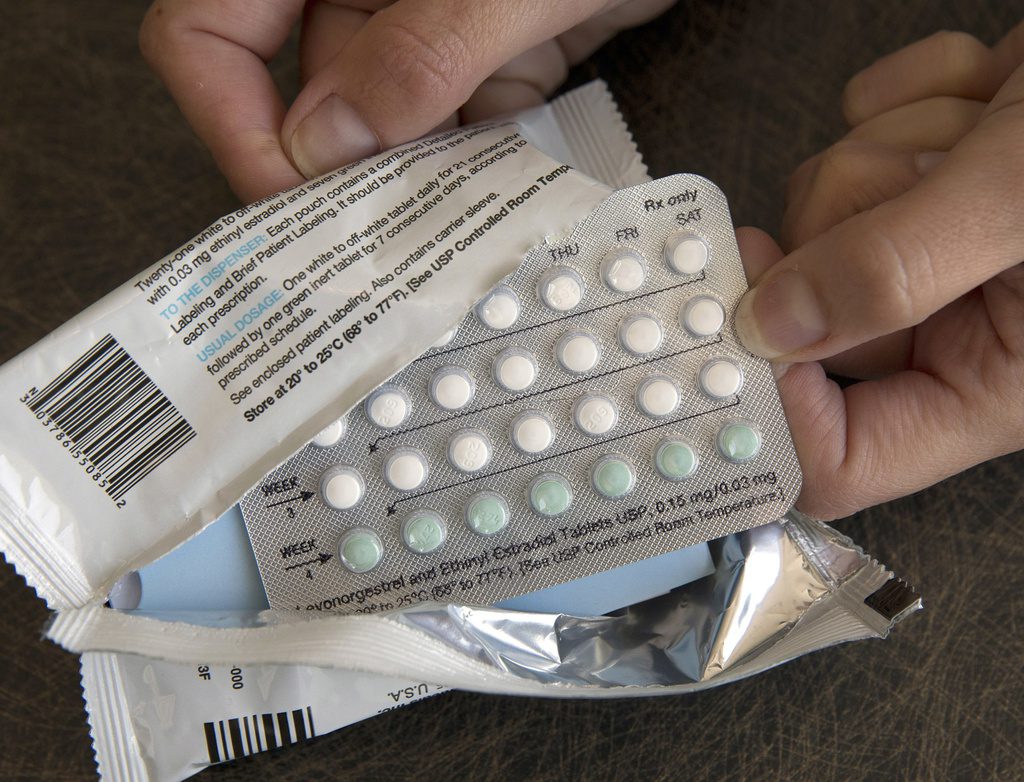
Doctors are concerned that misinformation about birth control might make some women get off it at a time when there are fewer options available for unintended pregnancies in the US.
Trump’s pick for health secretary wants to increase access to raw milk, remove fluoride from drinking water, and has said that vaccines cause autism and that WiFi causes cancer.