
‘Not equitable by a long shot’: How money influences NC coastal erosion mitigation
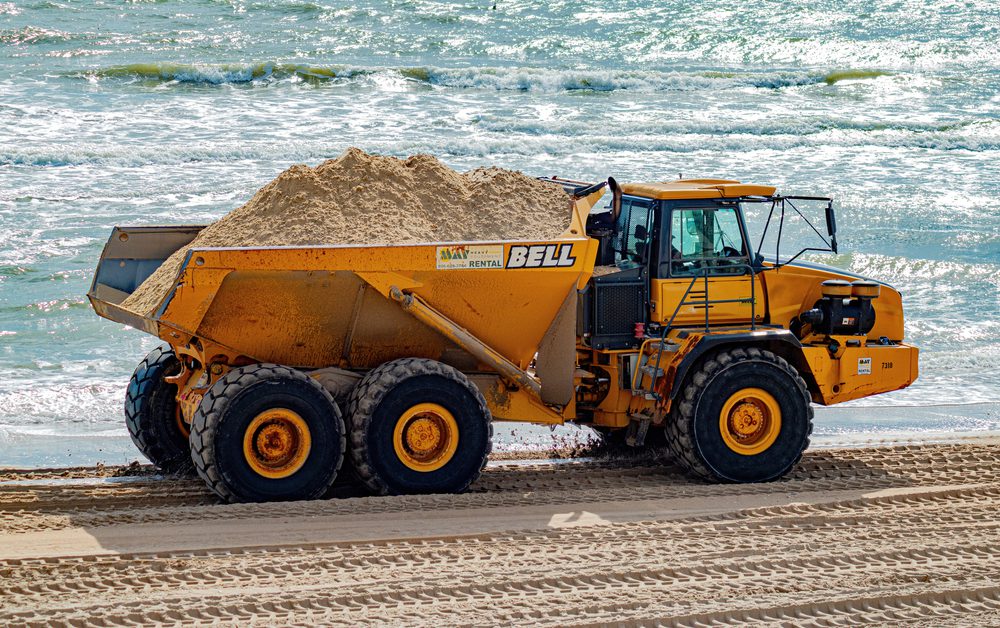
In order to fight coastal erosion, NC beach communities need to find sand for beach renourishment. But getting it takes money.
In order to fight coastal erosion, NC beach communities need to find sand for beach renourishment. But getting it takes money.
Paddy Mountain Park opens in West Jefferson! Discover North Carolina’s newest outdoor destination born from community collaboration and conservation efforts.

Hunting has long been valuable in North Carolina’s culture. Here’s what and when you can hunt during the 2025 hunting seasons, plus how to get a license.

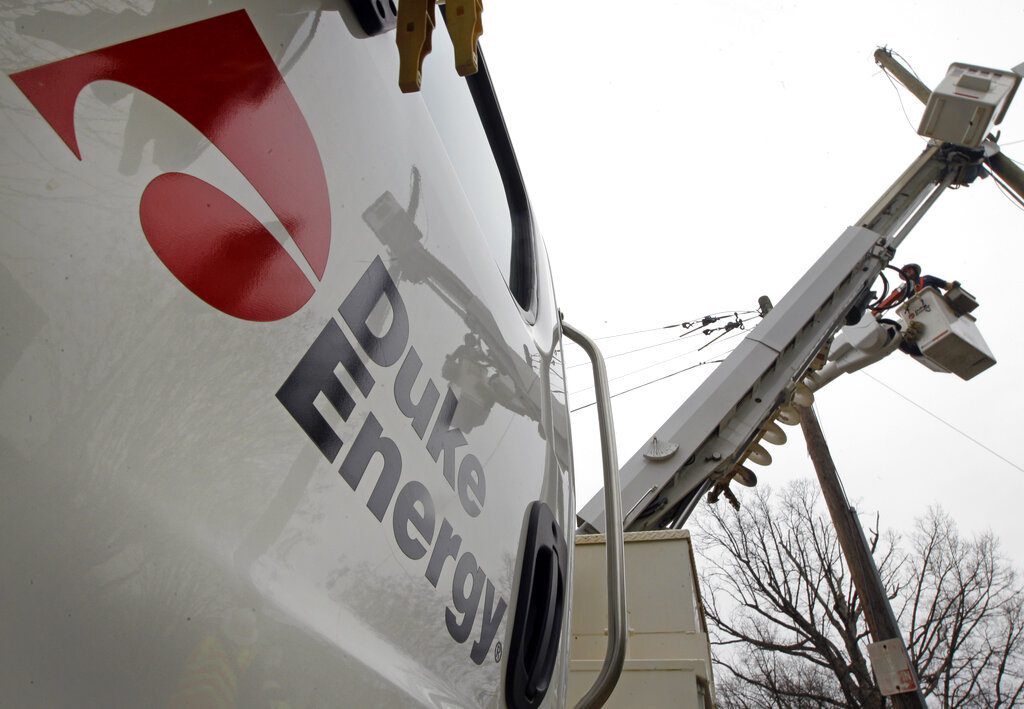
Duke Energy recently announced plans to replace several coal-fired power plants with natural gas-fired stations at two North Carolina sites by 2029. Now, it’s joined nine other power companies in asking newly-confirmed EPA administrator Lee Zeldin to weaken environmental regulations regarding natural gas and coal ash.
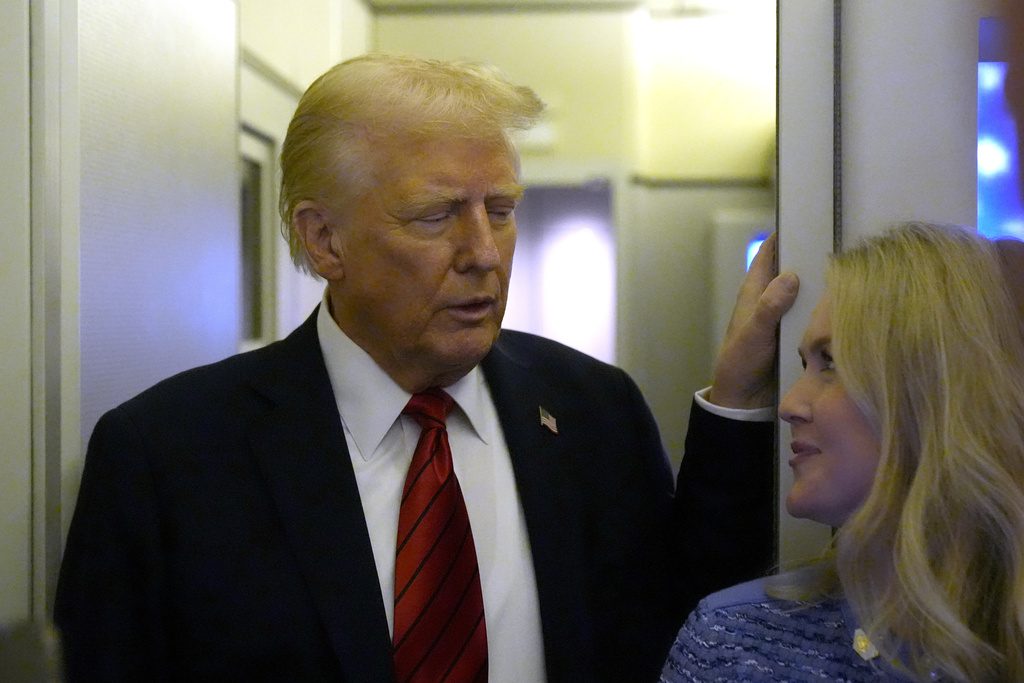
PFAS, or “forever chemicals," are linked to cancer, birth abnormalities, and other health ailments. But Trump is pushing back a long-awaited plan to set federal limits on them.
North Carolina business leaders say that transitioning to or adding cleaner energy alternatives to their businesses helps save money, is good for the environment, and makes the nation more energy resilient. Lillian Mindich always wanted to do more projects on her...

Duke has argued that it must use natural gas during its transition away from coal in order to meet rising demand for energy, but the projects would lead to a significant increase in total greenhouse gas emissions, potentially jeopardizing the company’s legally-mandated duty to reduce carbon emissions.
There are several tax credits and rebates available to qualifying North Carolinians who are looking to lower their energy costs.

From Toyota’s new Randolph County EV battery plan to a new solar facility in Greenville to a huge new semiconductor project in Chatham County, clean energy projects are booming and leading to new jobs across the Tar Heel State.

In North Carolina, clean energy investments are crucial, as the state faces all of the most dire consequences of climate change: flooding, drought, extreme heat, and more.


| December 11, 2025
| December 8, 2025

| December 5, 2025
| November 24, 2025
| November 20, 2025