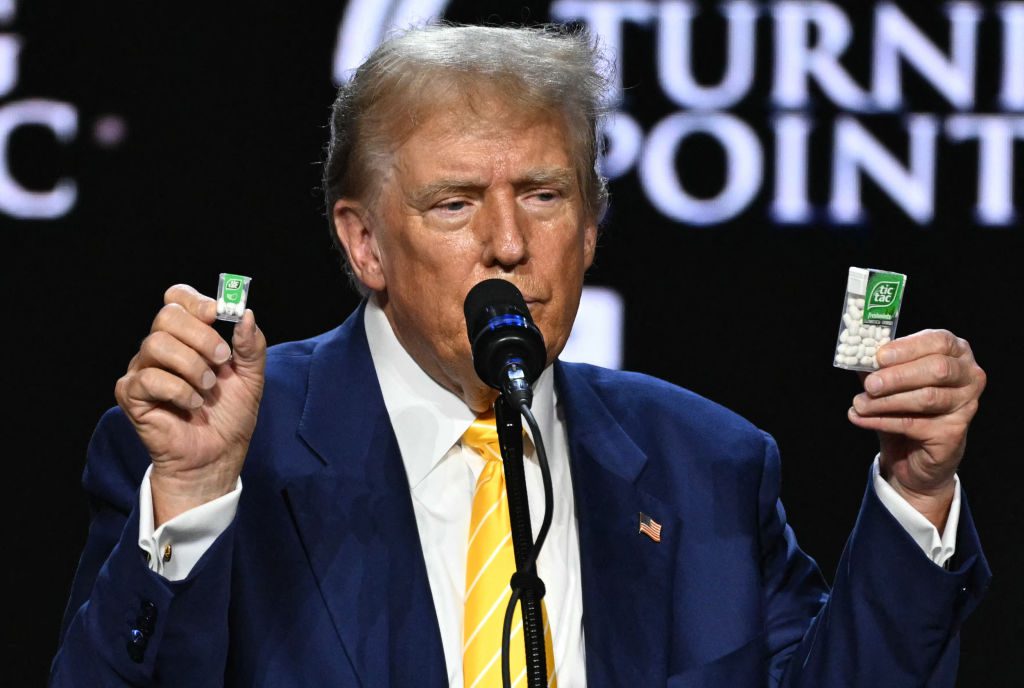
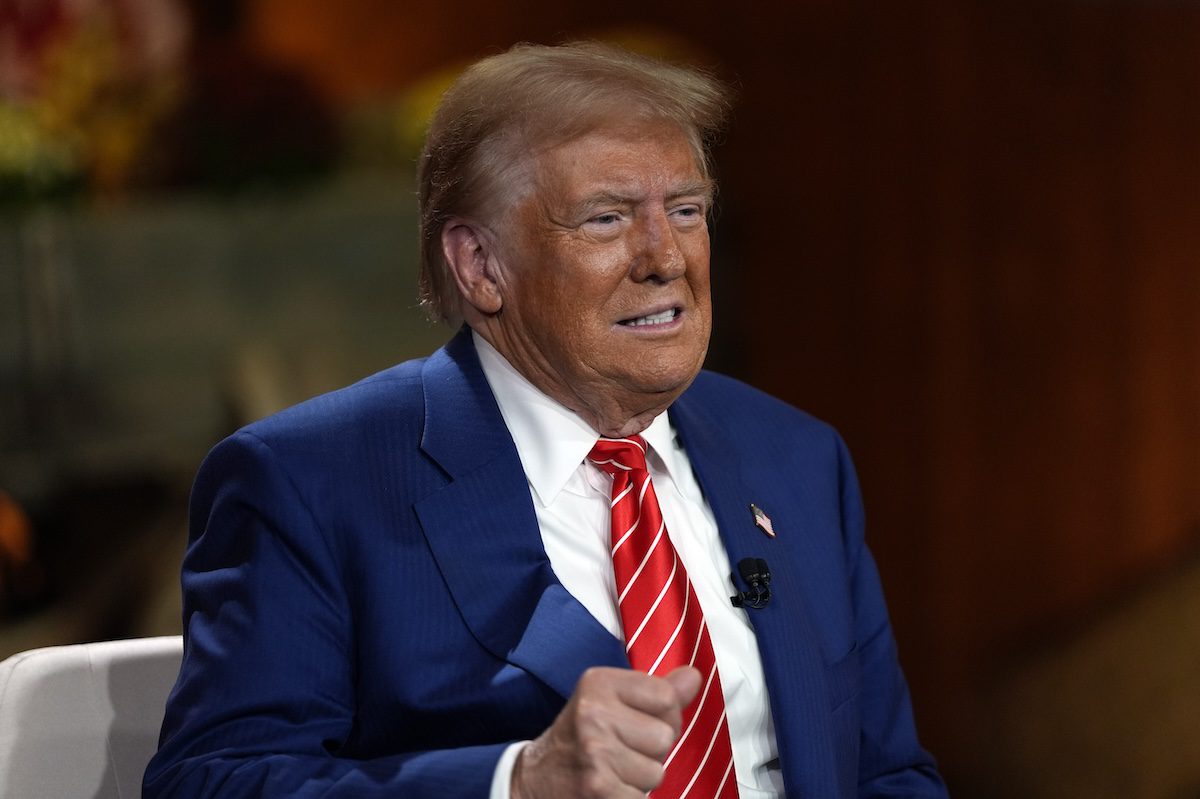
If elected, Donald Trump has vowed to implement a 10% tariff on imports, deport undocumented immigrants who make up a huge percentage of the agricultural and construction industries, and cut corporate taxes. Experts say these plans would be inflationary and cost Americans thousands of dollars per year.
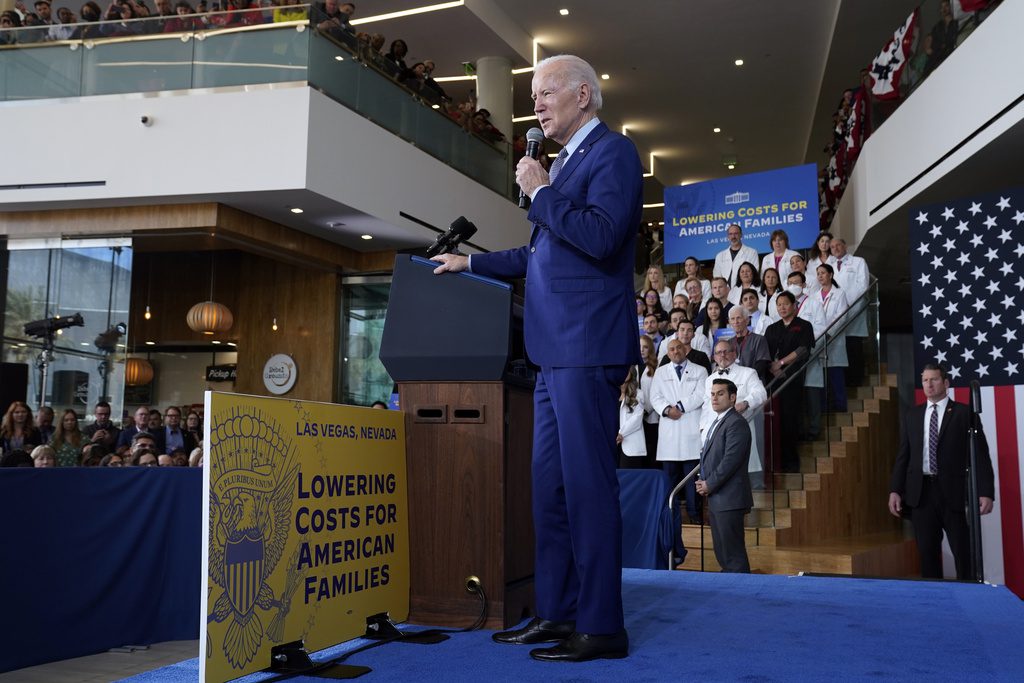
From the cost of medication to education to everyday expenses, the Biden administration has passed several laws and implemented many federal rules taking on giant corporations, but big businesses are fighting tooth and nail to protect their profits.
The IRS’ Direct File program was rolled out on a limited basis in 12 states this past tax-filing season and saved 140,000 taxpayers who used it an estimated $5.6 million in filing costs. Now, the agency is looking to expand it nationwide.
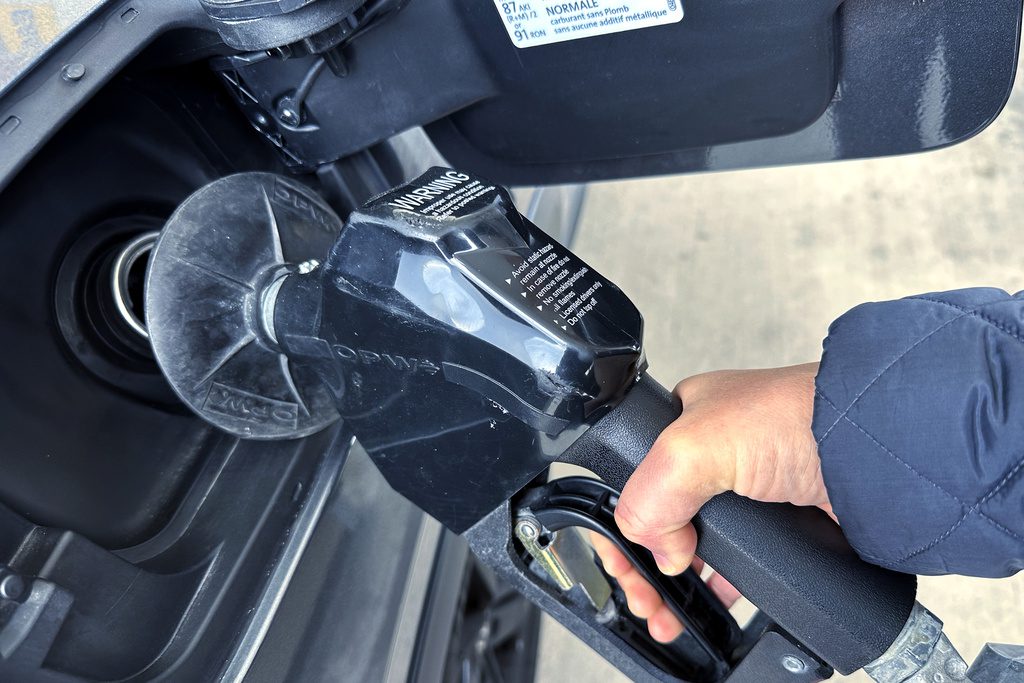
Senate Democrats joined their House counterparts in calling for an industry-wide investigation into Big Oil collusion and price-fixing allegations, which they say cost US consumers at the pump while driving up corporate profits.
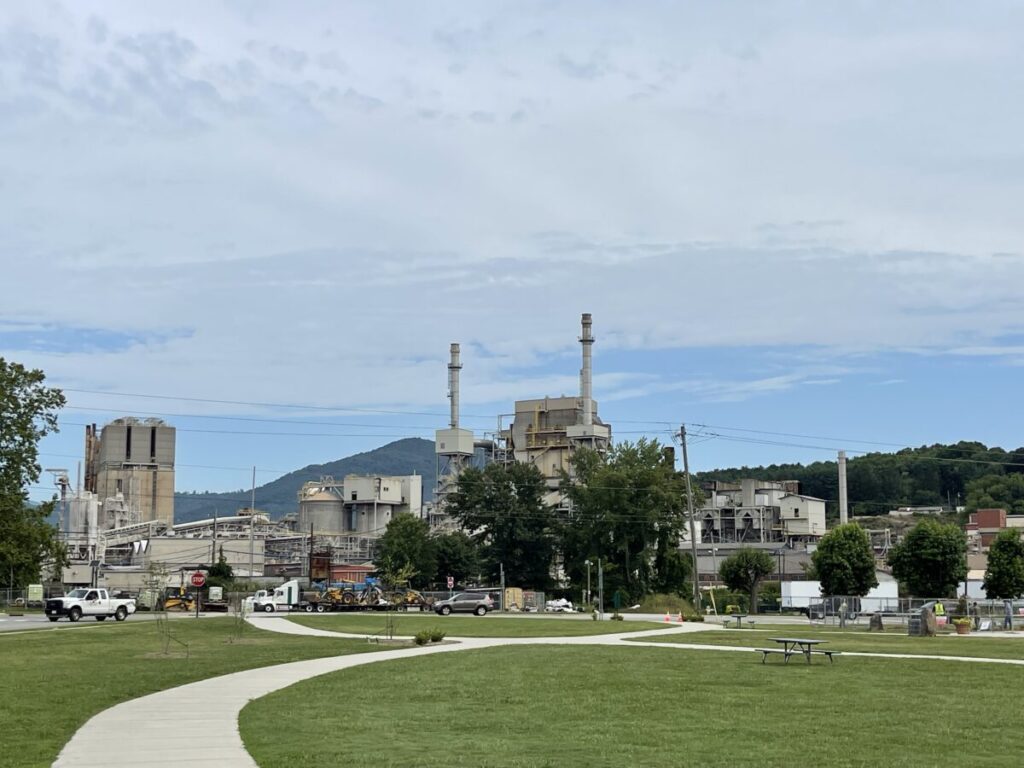
In an interview with Cardinal & Pine, Canton Mayor Zeb Smathers said he believes that the county and town should receive most if not all of the $12 million, if it’s recovered by Stein’s lawsuit.
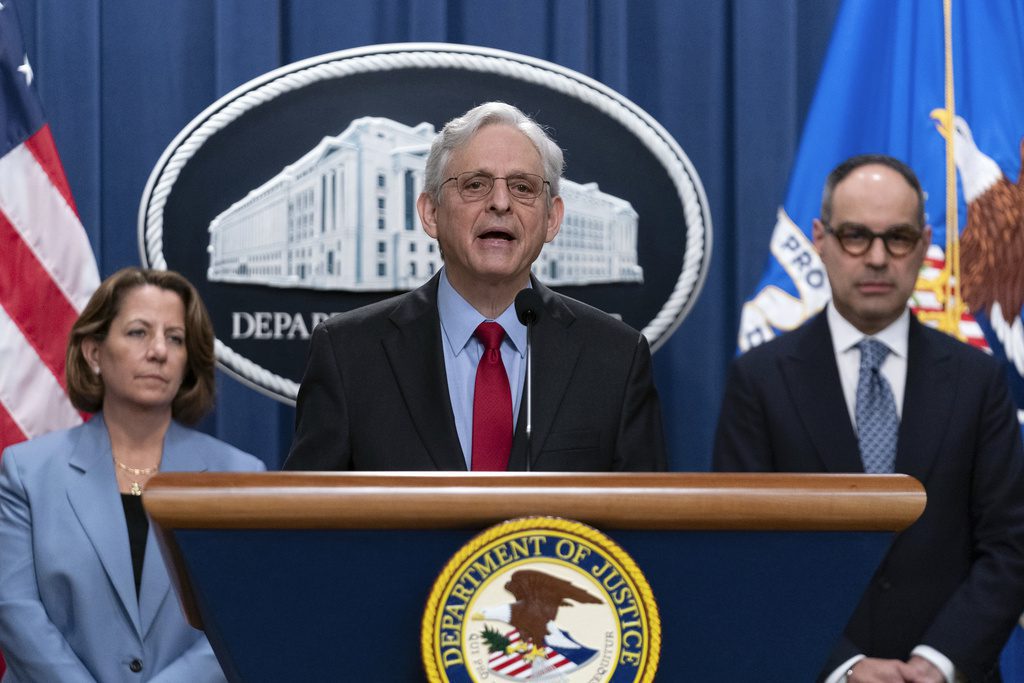
The lawsuit is backed by attorneys general for 29 states plus Washington, D.C., and alleges that Live Nation leveraged its power as a venue owner, concert promoter, and ticket seller in order to lessen consumer choice, raise prices, and eliminate its rivals.
Analysis of corporate profits and accusations of collusion by the FTC lend support to the idea that a broader oil industry conspiracy drove up post-Covid inflation for everyday Americans.
For a long time, climate change has felt distant—something scientists study and activists march about. But as we look around our neighborhoods, and our daily lives, we realize the impact of climate change is not nine miles above our head at the ozone layer, but settling in right here at home. In Johnston County, as summers get hotter and the weather more extreme, it’s showing up in the form of high electric bills and the increasing need for home weatherization.
The rules issued last month establish national minimum staffing requirements for federally-funded nursing homes, enact national appointment wait time standards for Medicaid and CHIP enrollees, and more.
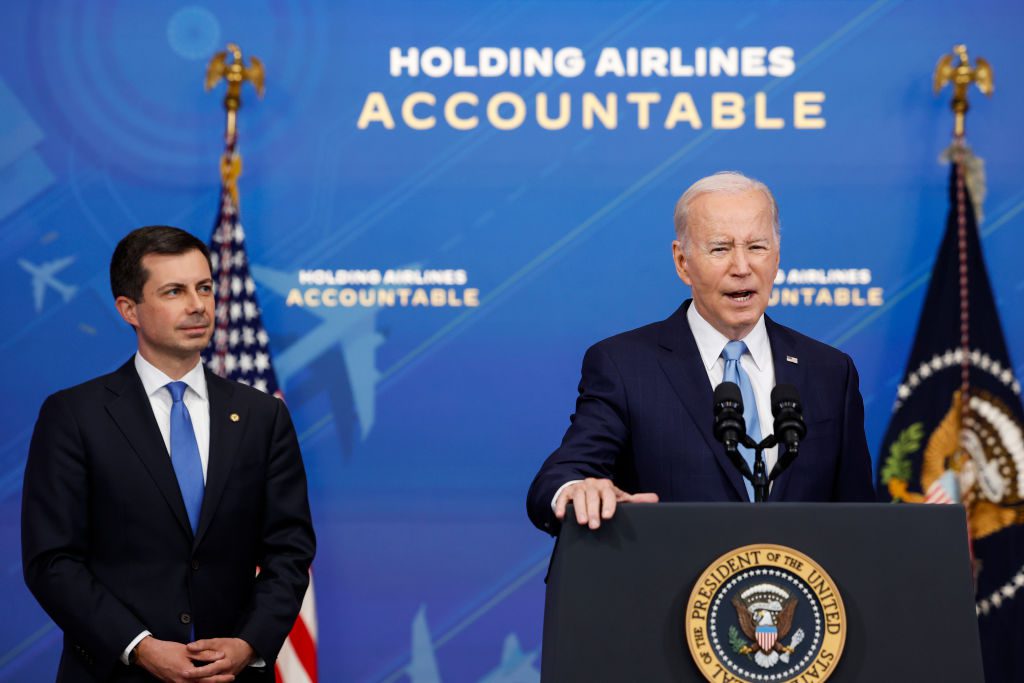
Under the new rules, passengers will no longer have to navigate customer service systems to receive refunds for canceled flights or fall prey to low advertised base fees without full disclosure of extra costs.
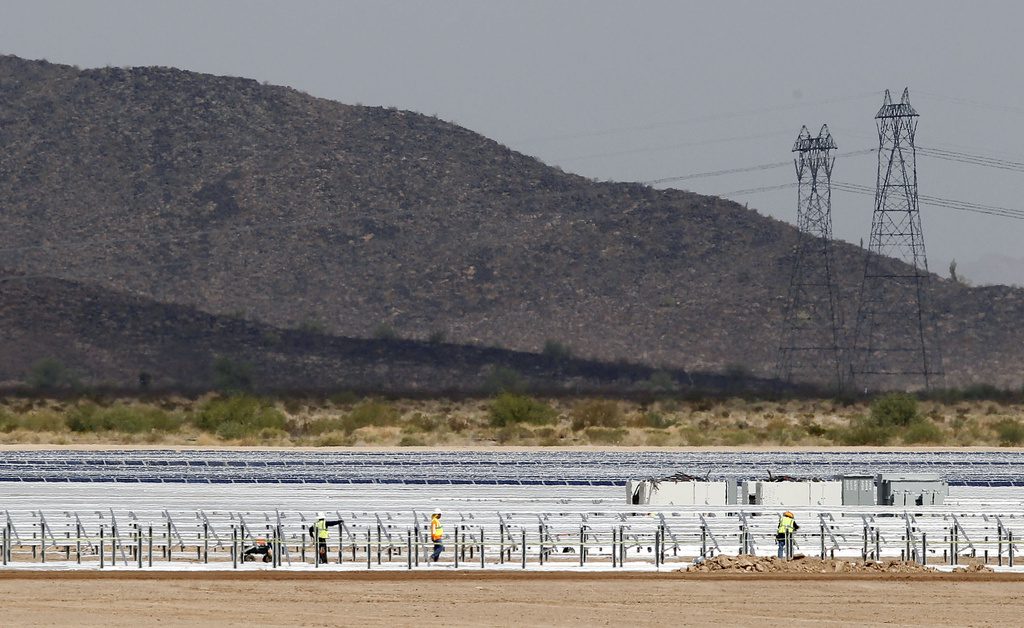
As votes are cast across North Carolina, the future of American energy is on the ballot in the 2024 Presidential election, and the consequences matter to our pocketbooks, to our business, and to our planet. The days where climate change was some abstract concept divorced from our daily lives are over. We feel it […]
Harris has vowed to strengthen workers’ rights, expand financial support for the working class, boost opportunities for non-college graduates, and raise the minimum wage. Trump, meanwhile, has promised to implement tariffs on imports and repeal federal investments in clean energy, both of which would likely lead to job losses.
Vice President Kamala Harris intends to support small business owners and entrepreneurs by reducing their expenses and increasing their access to capital. Trump’s tariff proposal, however, could cause small businesses’ costs to rise.
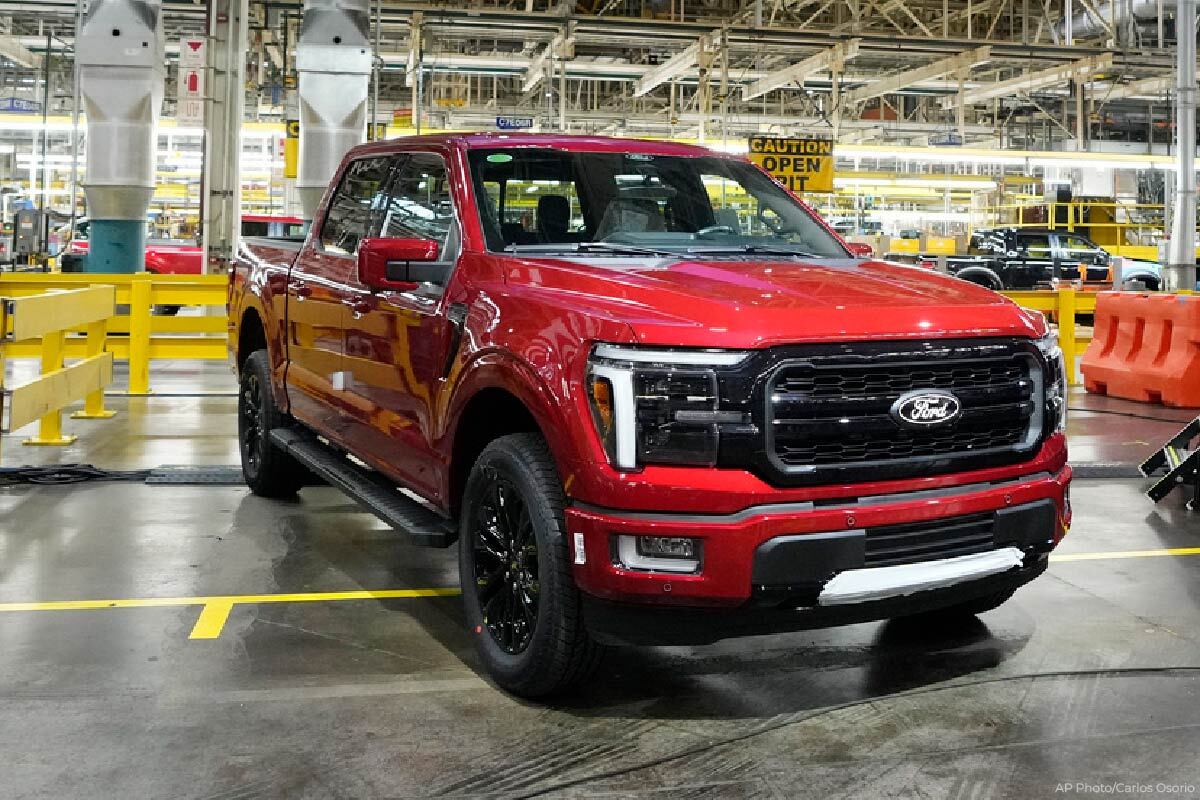
Trump’s proposed tariff of between 100% and 2,000% on foreign-made cars entering the US would raise prices on both domestic and imported cars and “likely send thousands of US workers to the unemployment line,” according to Howard Gleckman, a senior fellow in the Urban-Brookings Tax Policy Center at the Urban Institute.
Trump’s plan would effectively be a sales tax that disproportionately harms working-class families and could cause a trade war that hurts US companies, economists say.