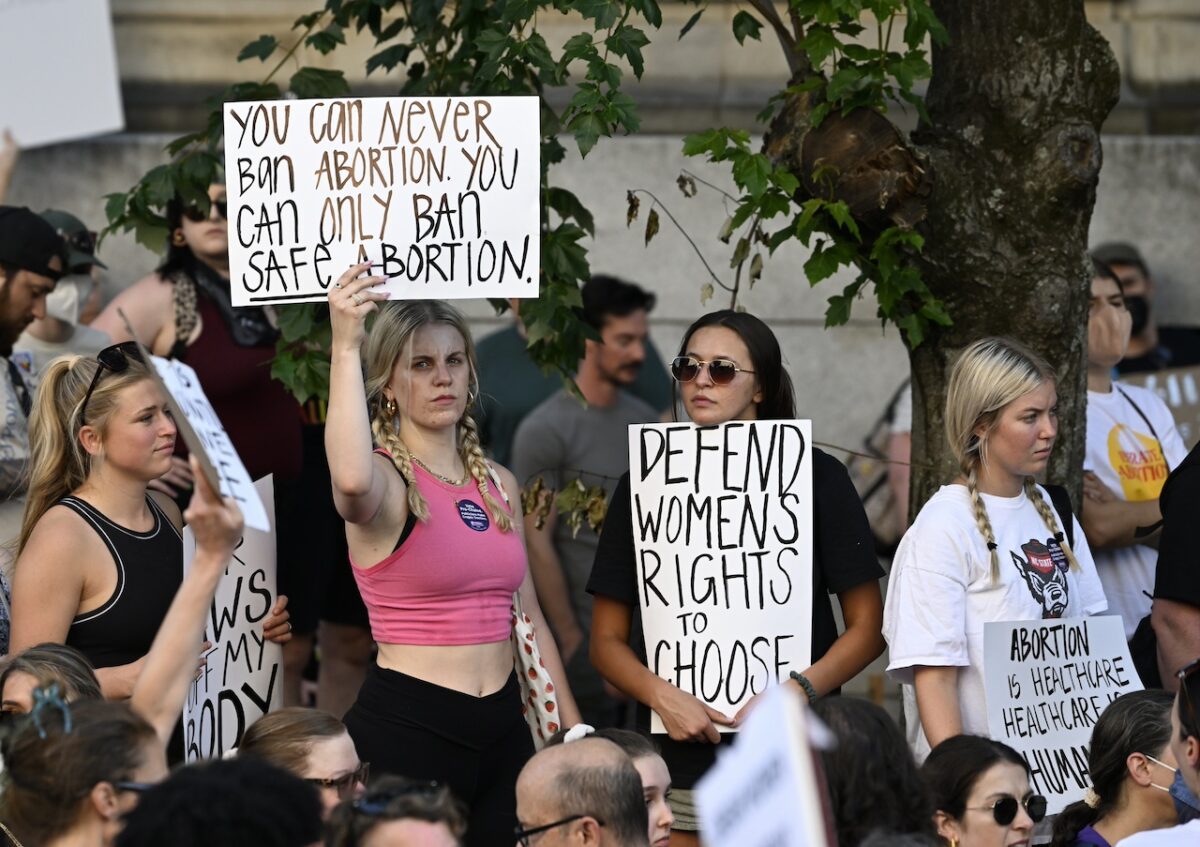
Women have suffered through ectopic pregnancies, miscarriages, fetal anomalies, and other complications, but have found it difficult to get the care they need due to restrictive abortion bans.
The bill also makes it more difficult to access care, and implements hugely restrictive regulations on abortion clinics, which could force many of them to close their doors.
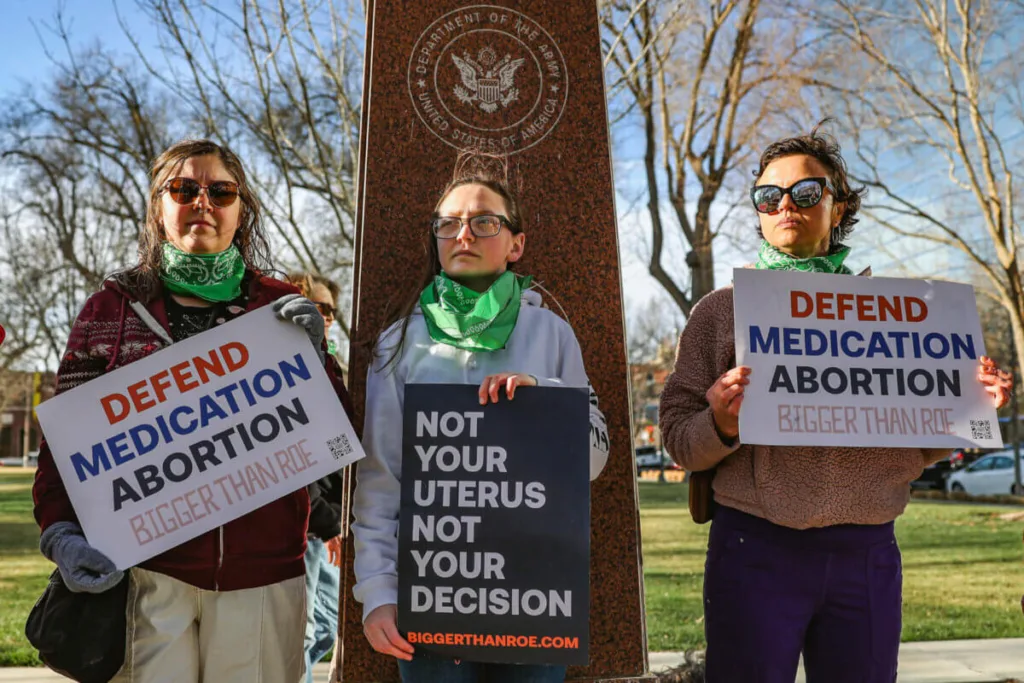
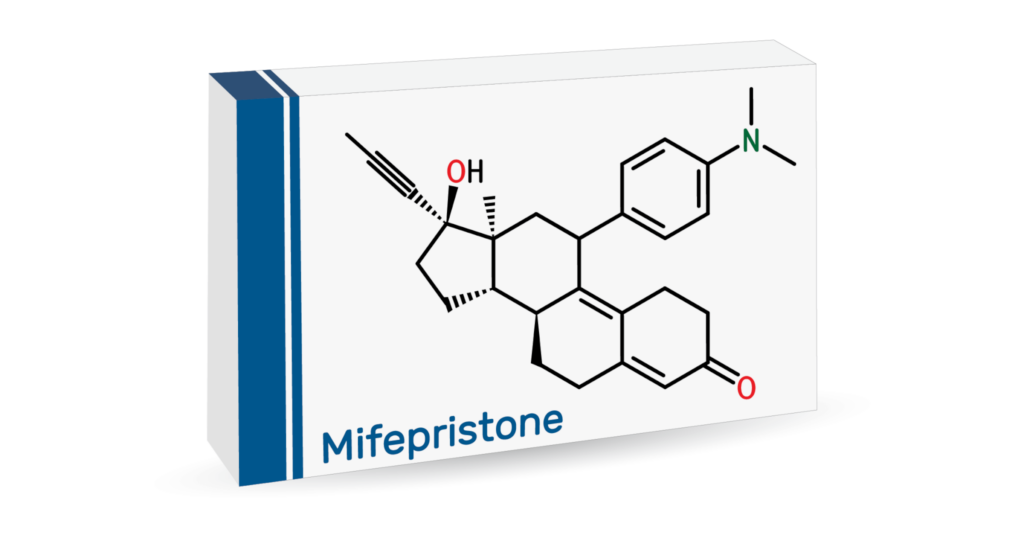
The 5th Circuit’s ruling maintains mifepristone’s availability for now, but severely limits access in ways that could harm patients seeking abortion care.
But if Riggs defeats Republican Appellate Court Judge Jefferson Griffin in November, and if Democrats can hold Justice Anita Earls’ seat in 2026, they have an opportunity to retake the majority in 2028 and reverse the rightward drift of the court.
The bill would have guaranteed the right for Americans to obtain and use birth control without government interference. It would also protect the right of health care providers to distribute information about contraception and provide it to patients.
The ruling, the final word on a decision the judge rendered in April, blocks several state restrictions on abortion medication, but leaves others in place.
In 2012, when the General Assembly passed their voter ID law and faced a lawsuit from the Obama administration, then-Attorney General Roy Cooper said the law was “one of the worst election pieces of legislation in the country.” Cooper also urged Governor Pat McCrory to veto the bill.