By Zamone Perez
On Thursday, Oct. 22, North Carolina State Fair attendees can gain free entry to the fair by bringing donations in exchange.
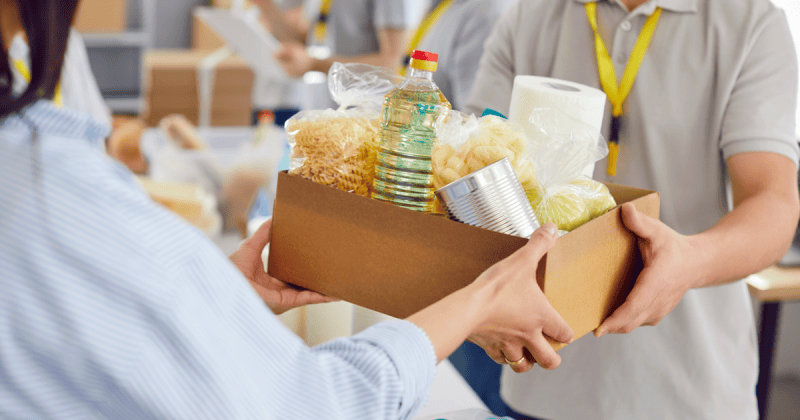
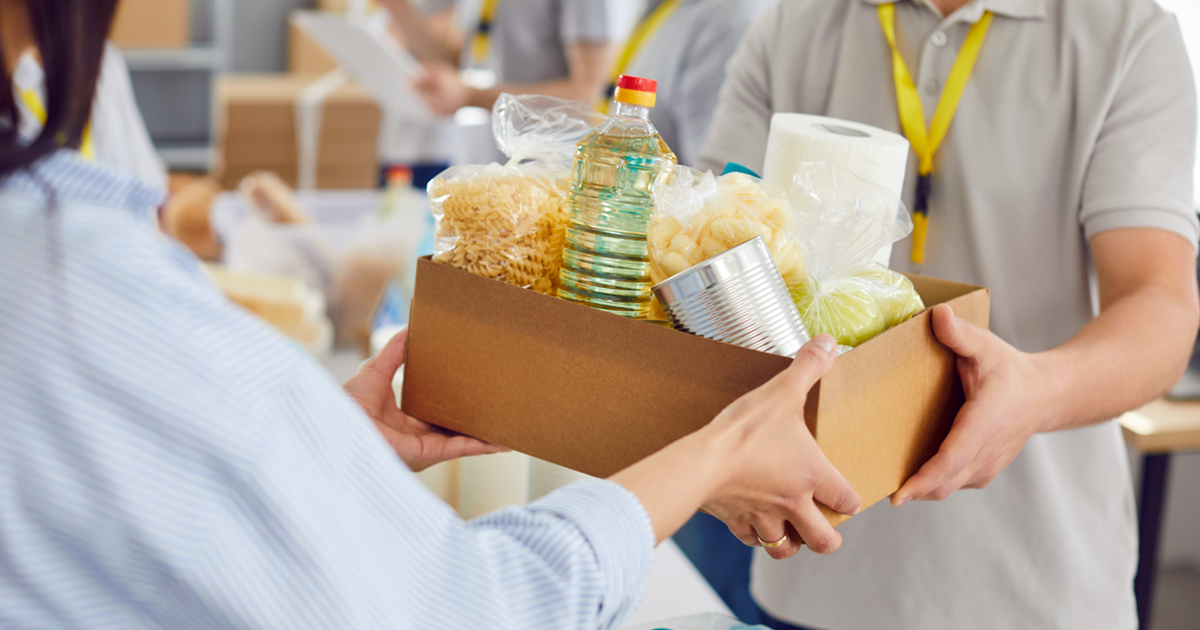
Anti-hunger groups said large-scale food drives are highly consequential to their work. On Thursday, NC State Fair attendees can donate six nonperishable food items to get into the fair this year.
All the food and donations will go to the Food Bank of Central and Eastern North Carolina and its network of partners. Hunger Relief Day began at the fair in 1993 and since then, fairgoers have donated nearly 7 million pounds of food.
Jeremy Ireland, regional director for Catholic Charities of the Diocese of Raleigh, said increasing costs, from groceries to diesel, are leading to declines in donations and rising operating costs.
“As grocery prices are skyrocketing, we are receiving less donations of food. When that happens, we have to purchase food from wholesalers to make up the difference. The price of that is also increasing with the cost of diesel fuel, so it compounds as a problem,” Ireland outlined.
Average diesel prices in North Carolina currently stand at $5.60 per gallon, up from $3.40 a year ago. Meanwhile, food prices increased on average by nearly 3% in 2025.
Why NC State Fair donations come at the right time
The drive comes as food banks in North Carolina and across the country face increasing demand from the impacts of federal funding cuts and new requirements for SNAP benefits. Nearly 630,000 people in the Food Bank of Central and Eastern North Carolina’s 34-county service area face food insecurity, up an estimated 40% from the peak demand of the COVID-19 pandemic.
Marco Ramirez, executive director of North Raleigh Ministries, said large-scale food drives are vital and can mean the difference for people trying to make ends meet.
“These large-scale food drives are so important to maintaining the support that people are seeking so that they can stay where they are, stay employed, stay housed, divert their resources,” Ramirez explained.
The Hunger Relief Day drive is one of the largest food drives in the Tar Heel State.
Related: North Carolina touts $550 million infusion to keep Raleigh-to-Richmond train project chugging