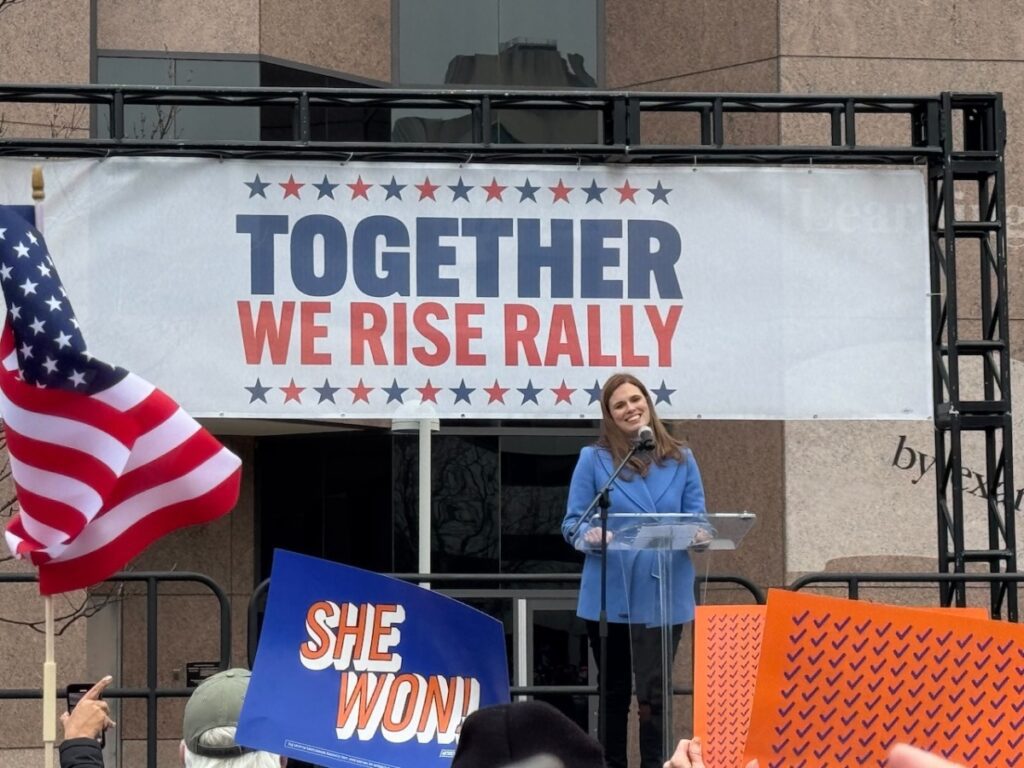
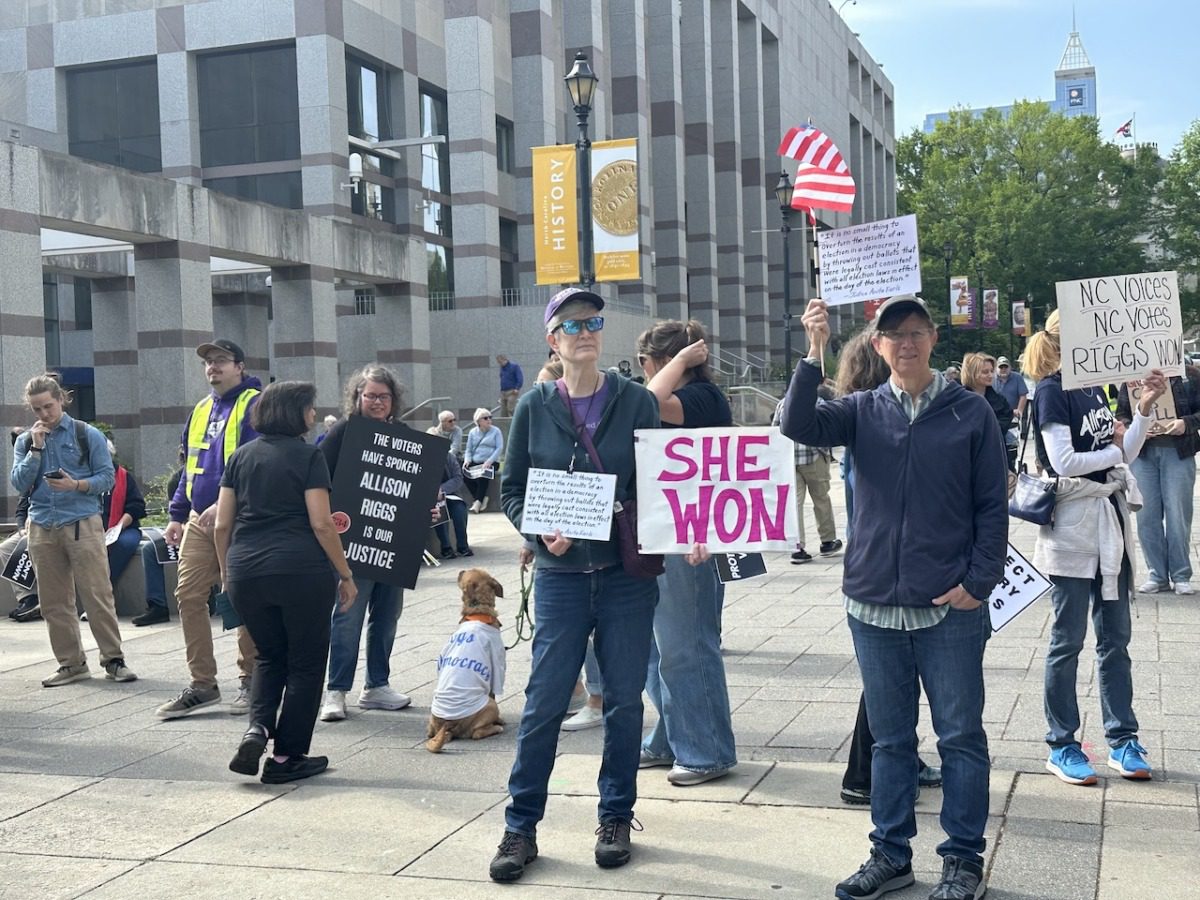
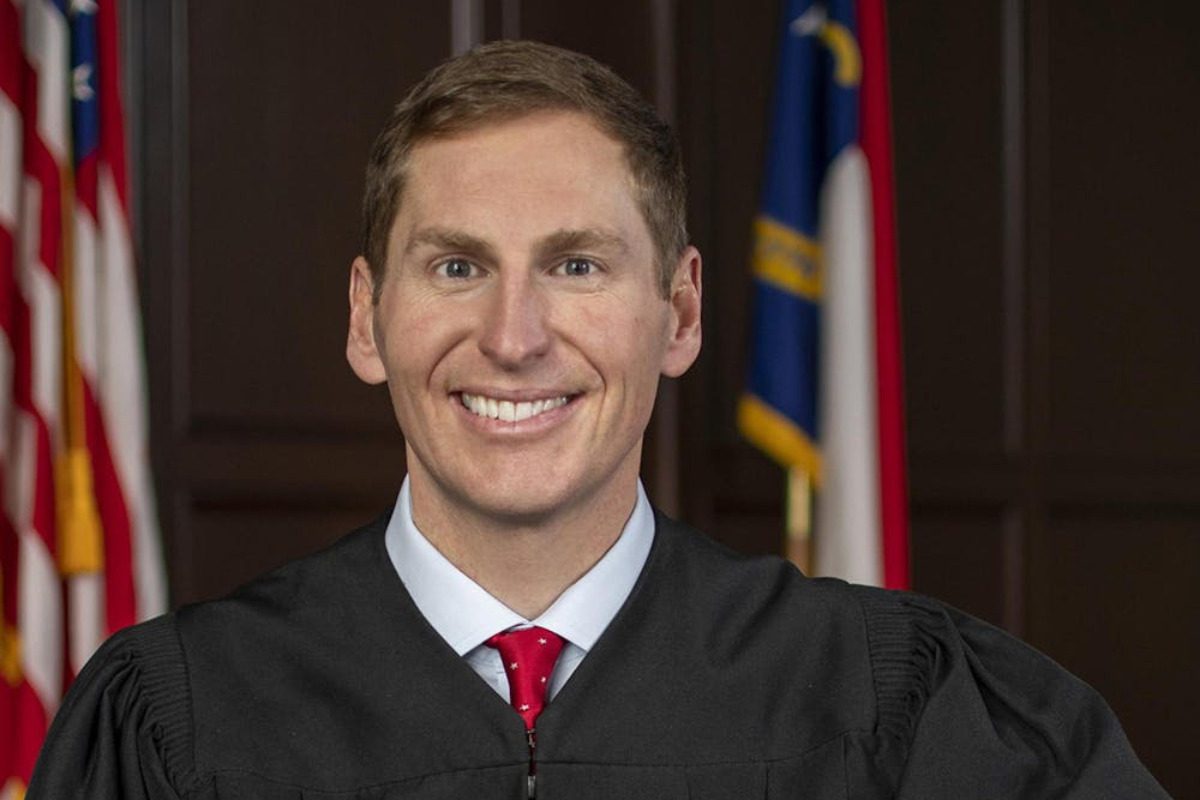
Judge Jefferson Griffin lost his race but is still trying to toss out 65,000 votes. At ‘Disenfranchised Disco’ on Friday night, North Carolinians proved that protecting democracy requires mobilization—both on and off the dance floor.
Rebecca Lobach voted by absentee ballot in the 2024 election. She is among the more than 5,500 North Carolina active duty military voters out of state whose votes Jefferson Griffin is seeking to discard so that he can win the state supreme court election he lost.
A grassroots group and many of the lawful voters whose votes are being questioned will gather in the cold to read each name. Temperatures before dawn on Tuesday are expected to fall below 30 degrees in Raleigh, a data point you might assume has nothing to do with...
Most of the challenges are of voters whose driver’s license or partial social security number information aren’t included in a state registration database. But there are many reasons that those details could be missing from the database, and the vast majority of voters disenfranchised by such a culling would be lawfully registered voters.
The North Carolina State Board of Elections will hold a hearing on Wednesday to consider challenges to more than 60,000 votes the losing candidate Jefferson Griffin says should not have been counted. Most of those challenges are of voters who are missing some registration information, but there are many valid reasons those details could be missing, and the vast majority of voters disenfranchised by such a culling would be lawfully registered voters.
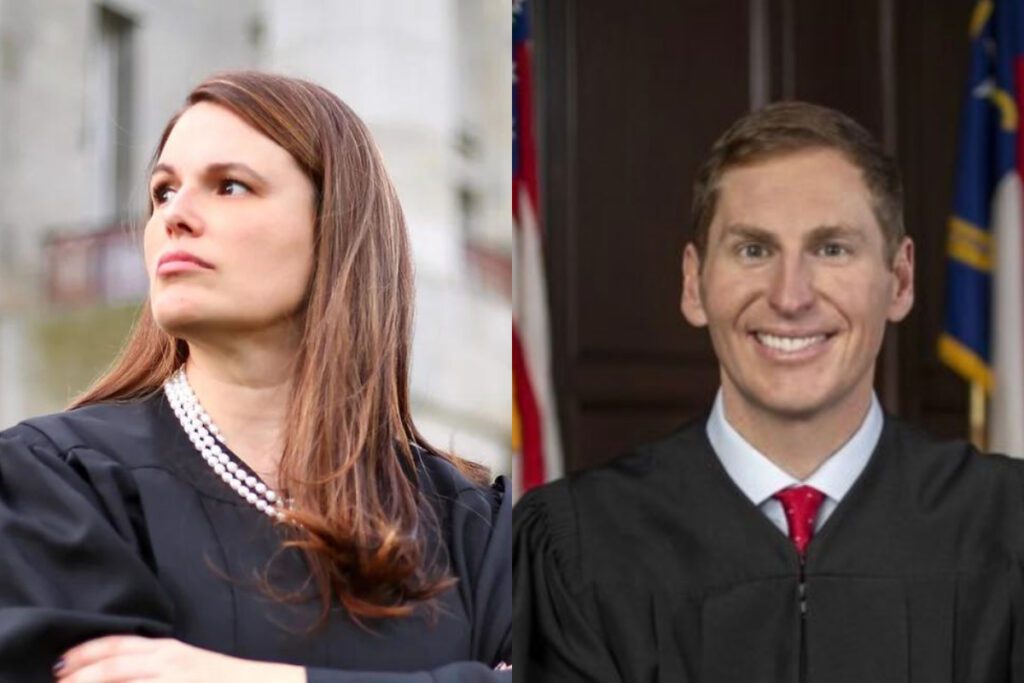
A recount has confirmed Democratic Justice Allison Riggs’ victory over Republican Jefferson Griffin, but Griffin has filed official challenges against 60,000 ballots, including those of Riggs’ parents and a prominent doctor. UPDATE: This post has been changed to...
The margin between Riggs and Griffin is .02 percentage points, well below the threshold for being able to seek a recount. Griffin asked for and was granted the recount this week, a process which should be done by Nov. 27, election officials say. Griffin has also submitted some 300 pages of documents challenging the validity of more than 60,000 votes based on legal ideas courts have rejected in separate cases.
As part of North Carolina's thorough election canvassing process, county boards of elections are still researching provisional ballots to see whether they should be counted, a process that could still affect close contests like the state Supreme Court race between Justice Allison Riggs and Jefferson Griffin, who are separated by fewer than 8,000 votes.
Several large studies show only a handful of voter fraud cases amid millions of votes cast, and some of those cases are innocent errors rather than dubious plots. But since we are still almost guaranteed to see claims from losing candidates in the coming days that the vote was rigged, here's what to know about voter fraud in North Carolina and why the elections are in reality very secure.
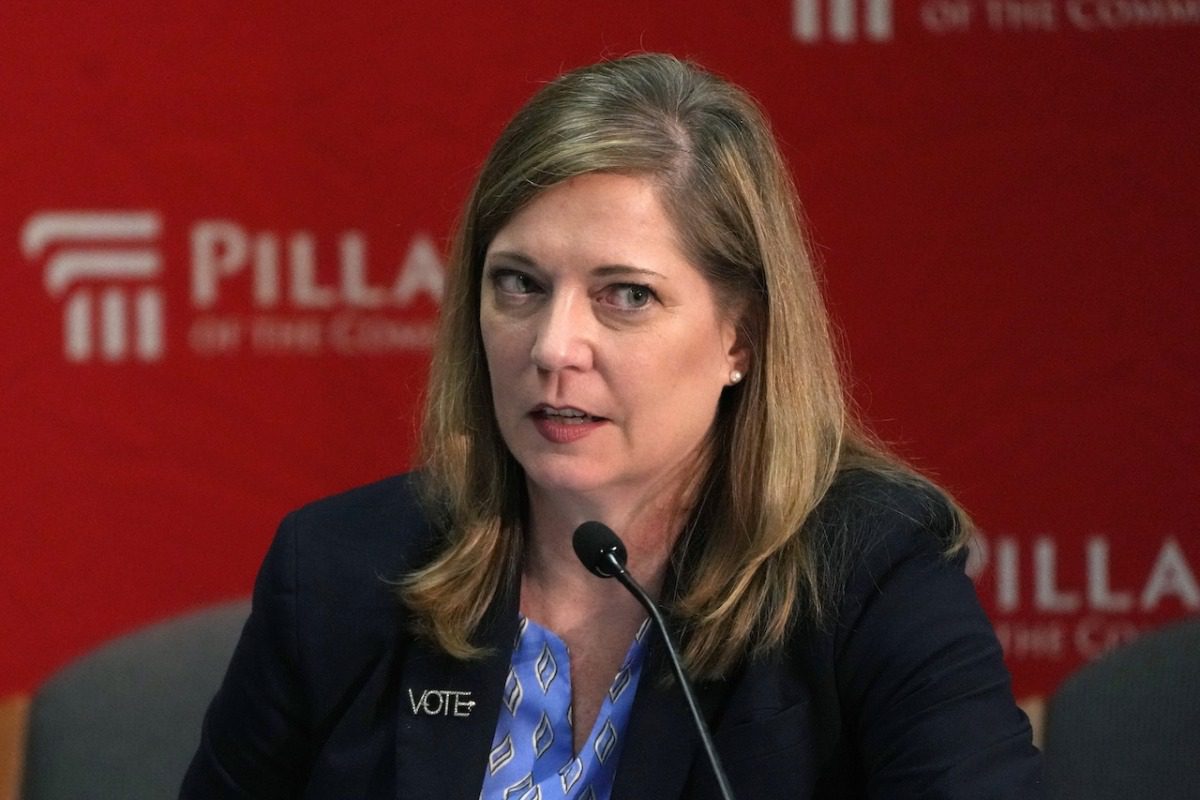
North Carolina's election chief helped the state vote in large numbers through a pandemic, the aftermath of hurricanes, and endless streams of disinformation.
So Republicans fired her.
While Griffin’s effort to steal last year’s NC Supreme Court election was thwarted, it opened a door to a reality where partisan courts could try to apply new rules to change the results of past elections.
US District Judge Richard Myers, a Trump appointee, rejected Griffin's bid to overturn his election loss in often cutting language. Over his 68-page ruling, Myers tears the heart out of Griffin’s legal case, and eats it a piece at a time.
The state court judges will soon decide whether to overrule the will of the voters and hand Griffin an election he lost. Social media posts from 2020 show the judges praising Griffin and feature smiling photos of themselves standing next to him.
In an op-ed, one of the 60,000-plus North Carolinians whose votes Jefferson Griffin wants to throw out to overturn his loss calls on him to concede. “It’s time to honor their decision, concede, and reaffirm the integrity of our elections,” Rebecca Schisler writes.