
How $37 billion in federal funding is being used to improve at-home caregiving in NC
North Carolina used American Rescue Plan dollars to fund wage increases for at-home caregivers and launch a fund to recruit and retain workers.
North Carolina used American Rescue Plan dollars to fund wage increases for at-home caregivers and launch a fund to recruit and retain workers.

Almost 50 water systems in NC have been found to have high levels of toxic PFAS. Here’s how to test if your water has them, or other toxins, in it.

Under a plan announced Thursday, the government would consider overriding the patent for high-priced drugs that have been developed with the help of taxpayer money and letting competitors make them in hopes of driving down the cost.

After a decade of delay, Medicaid expansion is official in North Carolina. Here’s a guide on who can apply and how to do it most easily.

President Biden’s 2021 American Rescue Plan provided a $1.7 billion “signing bonus” to North Carolina to expand Medicaid, which Gov. Roy Cooper described as "a major part of our successful effort to finally get Medicaid expansion."

In North Carolina, $8.4 billion in funding has been announced, with over 300 specific infrastructure projects identified for funding. Nearly $6 billion will go to transit upgrades, and another $469 million for clean water and water infrastructure.

The provision, signed into law by President Biden, will significantly lower out-of-pocket drug costs for many of the nearly 1.7 million North Carolina seniors enrolled in Medicare Part D coverage, starting in 2026.
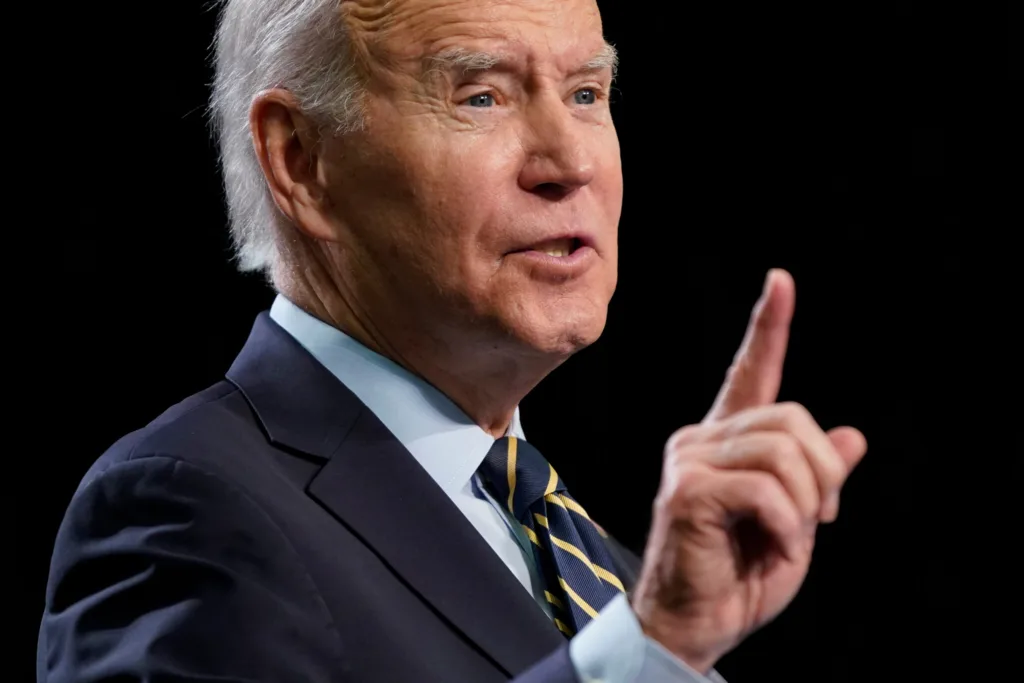
Starting in 2026, the prices for these drugs will decrease for up to nine million seniors, thanks to a provision in President Biden’s Inflation Reduction Act that allows Medicare to negotiate the prices for these drugs directly with the manufacturers.

The law ensured that 135,000 North Carolinians were able to keep their health insurance, reduced the cost of insulin for nearly 57,000 seniors, and incentivized several manufacturers to invest in the state and create more clean energy jobs.

Short-term plans offer limited coverage, can deny coverage based on pre-existing conditions, and trick consumers into buying products that provide “little or no coverage when they need it most."


| August 17, 2024
| August 15, 2024

| August 10, 2024

| August 10, 2024

| August 7, 2024

| August 5, 2024