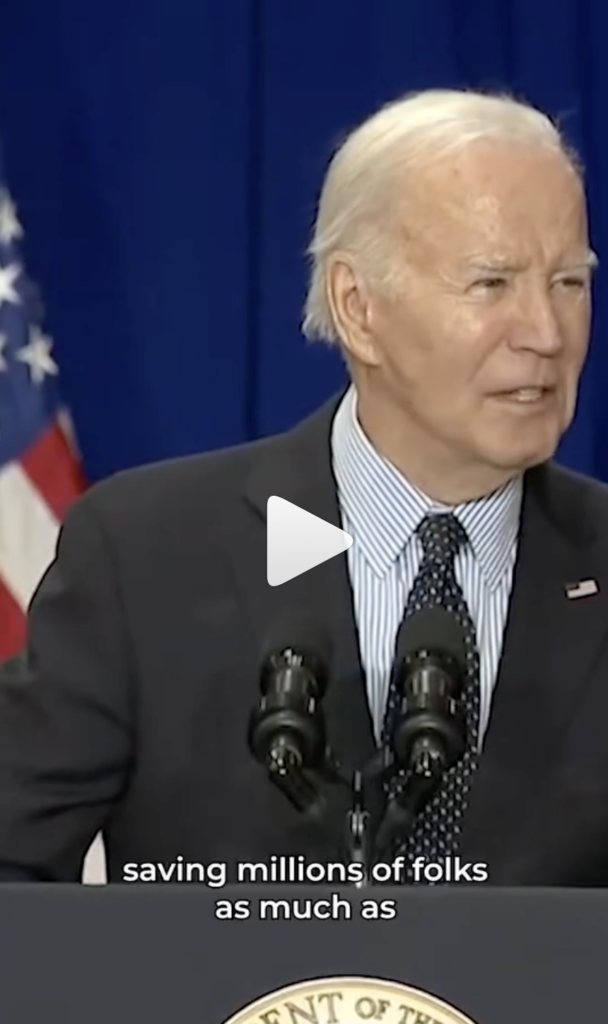
View this post on Instagram A post shared by Cardinal & Pine (@cardinalandpine) President Biden’s proposed budget would provide millions of families with affordable childcare, elder care, and support for people with disabilities, financed...
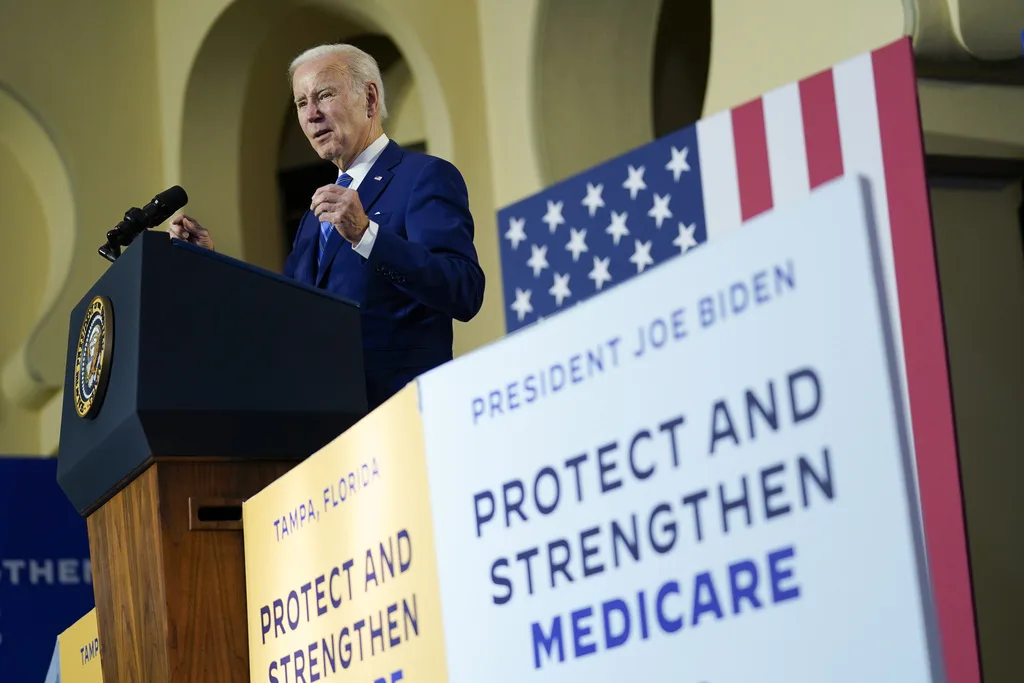
Republicans have been trying to cut and/or privatize Medicare for decades. Their latest plan could lead to thousands of dollars in additional out-of-pocket costs for North Carolina seniors.
When Biden signed the legislation in 2022, it did a number of things. Now, the legislation’s changes to the Medicare program will help beneficiaries save money.
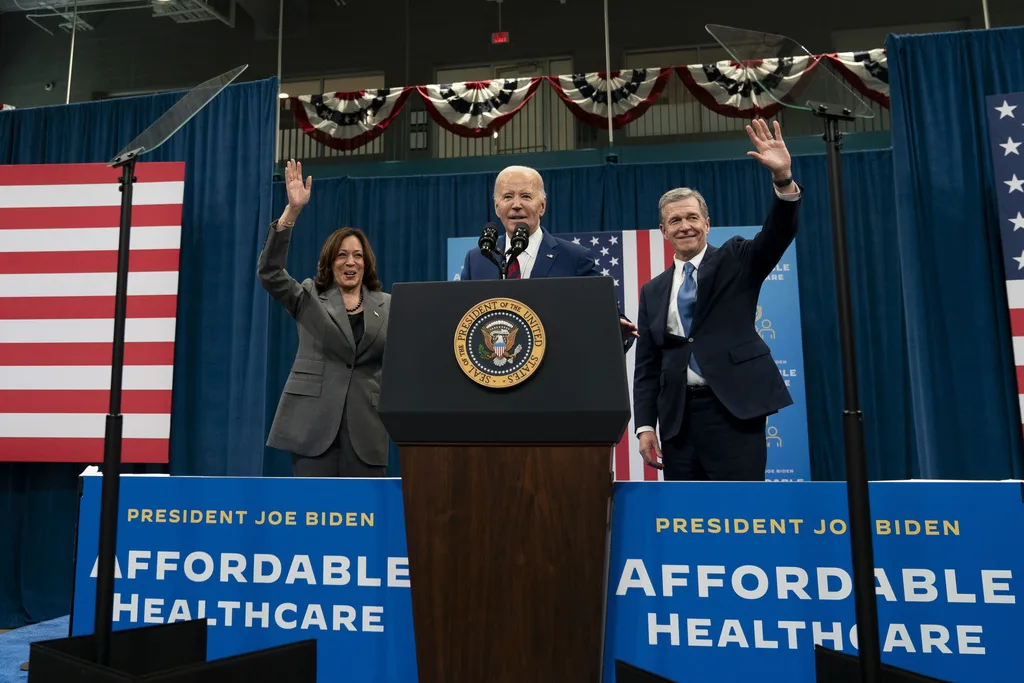
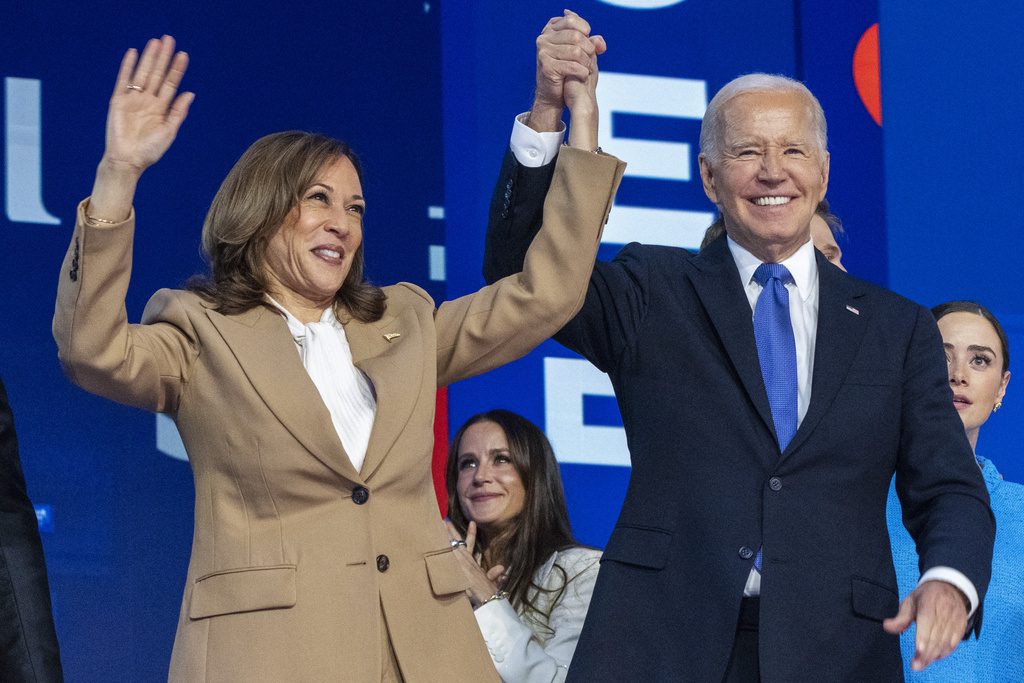
President Biden and Vice President Harris visited Raleigh Tuesday to tout their success in lowering healthcare costs and expanding access to health insurance.
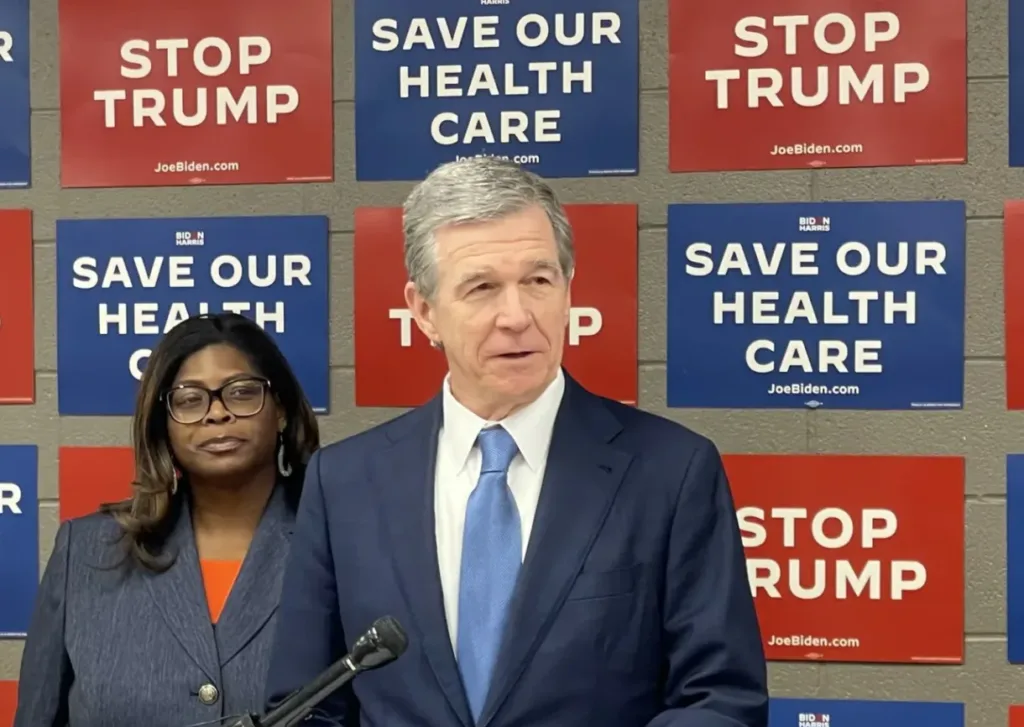
The Affordable Care Act expanded access to healthcare for millions of Americans. A second Trump presidency could end that progress, especially in rural North Carolina. Fourteen years ago, on March 23, 2010, President Barack Obama signed the Affordable Care Act...
WATCH: Abortion rights will be one of the top issues on voters’ minds when they head to the polls this year. The race for North Carolina Attorney General could help decide what the future of legal abortion is in the state. Jeff Jackson is a Democratic candidate for...
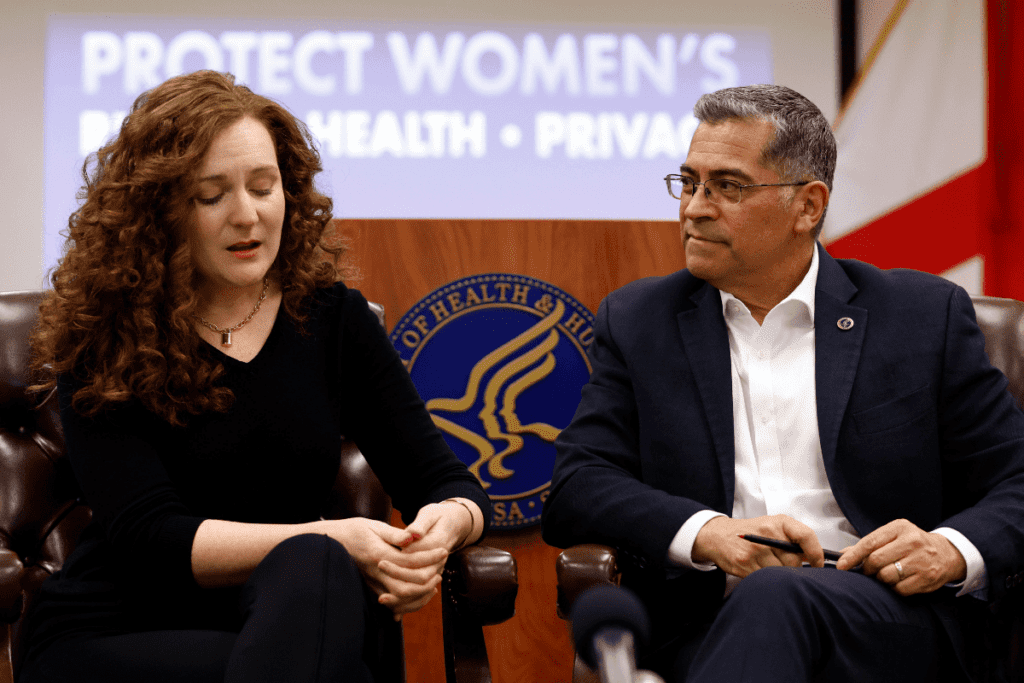
On the 51st anniversary of Roe v. Wade, a NC minister explains why Republican lawmakers' abortion ban has made life more dangerous for women. The Rev. Heather Rodrigues of Duke Memorial in Durham was one of numerous faith leaders who spoke out Monday in Raleigh....
Harris wants to expand the $35 monthly cap on insulin costs and a $2,000 annual cap on out-of-pocket drug costs so that they apply to all Americans, not just seniors on Medicare.
Trump’s healthcare 'concepts' include repealing the Affordable Care Act, which would strip health insurance from more than 1.5 million North Carolinians, increase costs, and put people with preexisting conditions at risk of losing their coverage, the Harris-Walz report says.
Doulas are non-medical aides who provide information and support to parents before, during, and shortly after the birth of their babies. Supporters say the state should make doulas in NC more affordable.
These two campaigns have vast differences in their policies to address climate change, and I believe the Harris-Walz campaign is taking steps to address our climate crisis in ways that will benefit North Carolina. Vice President Harris was the deciding vote on the Inflation Reduction Act, which included the largest investment to combat climate change in American history.
Vice President Kamala Harris announced lowered child care costs for working families in North Carolina, building on prior federal funding for child care programs and promising more.