Mount Pleasant, N.C. was about to receive $4 million to improve its stormwater drainage system from a FEMA program that helps communities protect against natural disasters and climate change. Then the Trump administration eliminated the program, upending a resiliency plan years in the making.
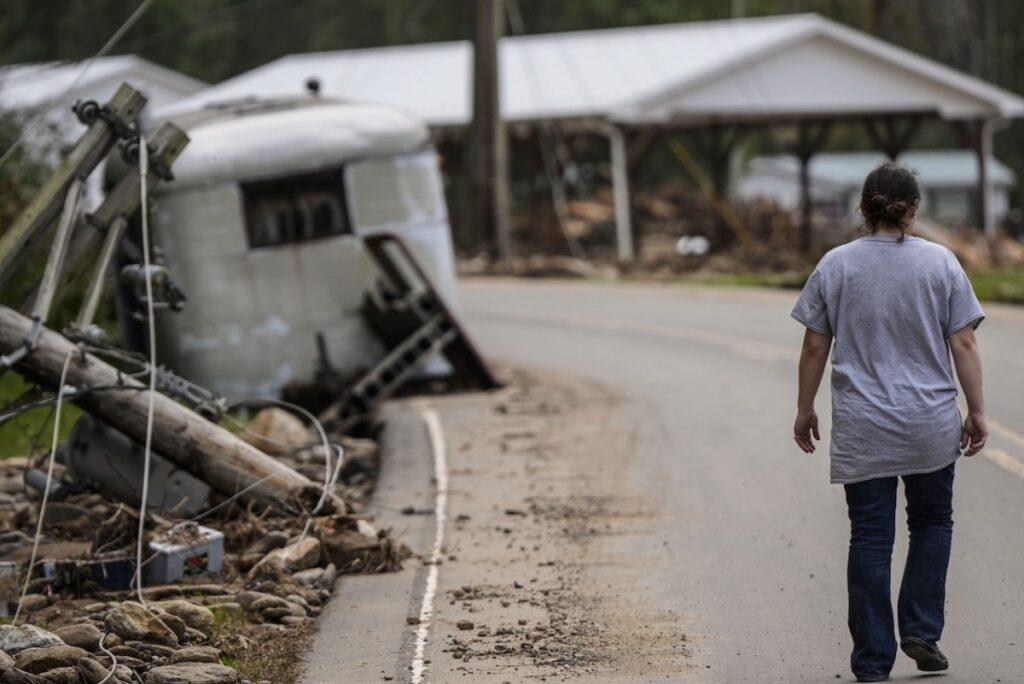
Among the funding Trump is trying to halt: $160 million in payments to protect the state’s power grid from wildfires, hurricanes, and other natural disasters like Tropical Storm Helene, which has caused billions in damage to western North Carolina.
Duke Energy recently announced plans to replace several coal-fired power plants with natural gas-fired stations at two North Carolina sites by 2029. Now, it’s joined nine other power companies in asking newly-confirmed EPA administrator Lee Zeldin to weaken environmental regulations regarding natural gas and coal ash.
North Carolina business leaders say that transitioning to or adding cleaner energy alternatives to their businesses helps save money, is good for the environment, and makes the nation more energy resilient. Lillian Mindich always wanted to do more projects on her...
Duke has argued that it must use natural gas during its transition away from coal in order to meet rising demand for energy, but the projects would lead to a significant increase in total greenhouse gas emissions, potentially jeopardizing the company’s legally-mandated duty to reduce carbon emissions.
Duke Energy, one of the worst contributors to climate change in the country, successfully convinced the North Carolina Utilities Commission to let it push a key 2030 deadline to at least 2032, but environmental advocates warn that there's little time left to run out the clock on this urgent issue.
From Toyota’s new Randolph County EV battery plan to a new solar facility in Greenville to a huge new semiconductor project in Chatham County, clean energy projects are booming and leading to new jobs across the Tar Heel State.
The suit, which Carrboro leaders say is the first case of a small town suing an electric company over climate change, accuses the country’s third-largest contributor to global warming of a decades-long “deception campaign.” The Town of Carrboro sued Duke Energy...
In North Carolina, clean energy investments are crucial, as the state faces all of the most dire consequences of climate change: flooding, drought, extreme heat, and more.
In 1989, Bill McKibben wrote the first mainstream warning about climate change. Considered the preeminent climate change journalist in the country, McKibben has written often about the dangers ahead, but his new book heralds solar power as the light in the darkness of the Trump era. Bill McKibben tried to warn us. In 1989, McKibben, […]
The Trump administration canceled a FEMA program in April that would have funded upgrades to protect Hillsborough, NC, from flooding. Then the Eno River rose more than 20 feet.
The tropical system dumped massive rain across central North Carolina on Sunday, days after the state’s Democratic governor vetoed a bill canceling an interim carbon reduction goal of 70 percent by 2030. GOP lawmakers will likely attempt an override.
The Trump administration wants to slash public funding for NPR and PBS, accusing them of bias in their reporting. One of the radio stations that could be hurt by these cuts, Blue Ridge Public Radio, provided urgent information to western North Carolina residents when the power went out during Hurricane Helene.
Mount Pleasant, N.C. was about to receive $4 million to improve its stormwater drainage system from a FEMA program that helps communities protect against natural disasters and climate change. Then the Trump administration eliminated the program, upending a resiliency plan years in the making.
Among the funding Trump is trying to halt: $160 million in payments to protect the state’s power grid from wildfires, hurricanes, and other natural disasters like Tropical Storm Helene, which has caused billions in damage to western North Carolina.