In the South, education has always been more than just a system—it’s a sacred trust, a commitment to our children and our communities. This belief was instilled in me by my elders, who understood that education was the key to freedom and opportunity. Growing up, I learned to see education through the lens of responsibility, knowing that every child deserves the best we can offer.
Today, our public education system stands at a critical crossroads. Political forces have voted to expand school vouchers, which would divert essential funds away from public schools and funnel them into private institutions. This is not just a policy debate—it’s a threat to the very foundation of public education in North Carolina. We must reflect on our values and ask ourselves: Are we willing to sacrifice the future of our public schools for short-term political gains?
Expanding school vouchers threatens to undermine this vital community resource. Just in its first year of implementation, private school vouchers could take over $200 million in state funding from our public schools.
When public schools lose funding, they can no longer provide the services and support that children need to thrive. This isn’t just an attack on public education—it’s an attack on our communities themselves.
In rural North Carolina, public schools are often the largest employers, providing jobs and stability to local economies. But more than that, they are the places where communities come together—where we celebrate victories, support each other in times of need, and build a sense of belonging.
Private schools have little to no presence in these parts of our communities, as only one-fifth of our state’s counties have one private school or no private schools. Instead of investing in our communities, state Republican leadership wants our tax dollars to go to families in urban areas who send their kids to private schools.
In this pivotal moment, it’s clear that we need leaders who understand that education is a sacred trust, one that must be protected and nurtured. Mo Green is that leader. His vision for public education is one that honors the past while boldly stepping into the future—a future where public schools are well-funded, teachers are valued, and every child has the opportunity to learn and thrive, regardless of their background.
In contrast, Michele Morrow’s approach to education raises serious concerns. Her platform has shown a lack of the bold, transformative leadership needed to address the systemic inequities facing our rural and underfunded schools. Instead of challenging the status quo, Morrow’s platform seems unfocused and underprepared which could perpetuate the very issues that undermine our public schools.
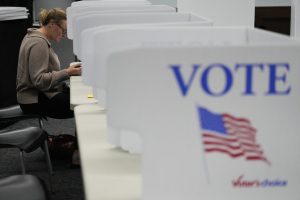
As November draws near, we must consider what kind of future we want for our children and our communities. We can build a New South, one where public education is valued and protected, where every child has the chance to succeed. This vision requires leaders who are committed to equity, fairness, and the belief that public education is the cornerstone of our democracy. Leaders who are forward-thinking, proactive, and will protect the sacred trust of public education.
A new day is dawning—let us embrace it with hope, joy, and a commitment to making that vision a reality.