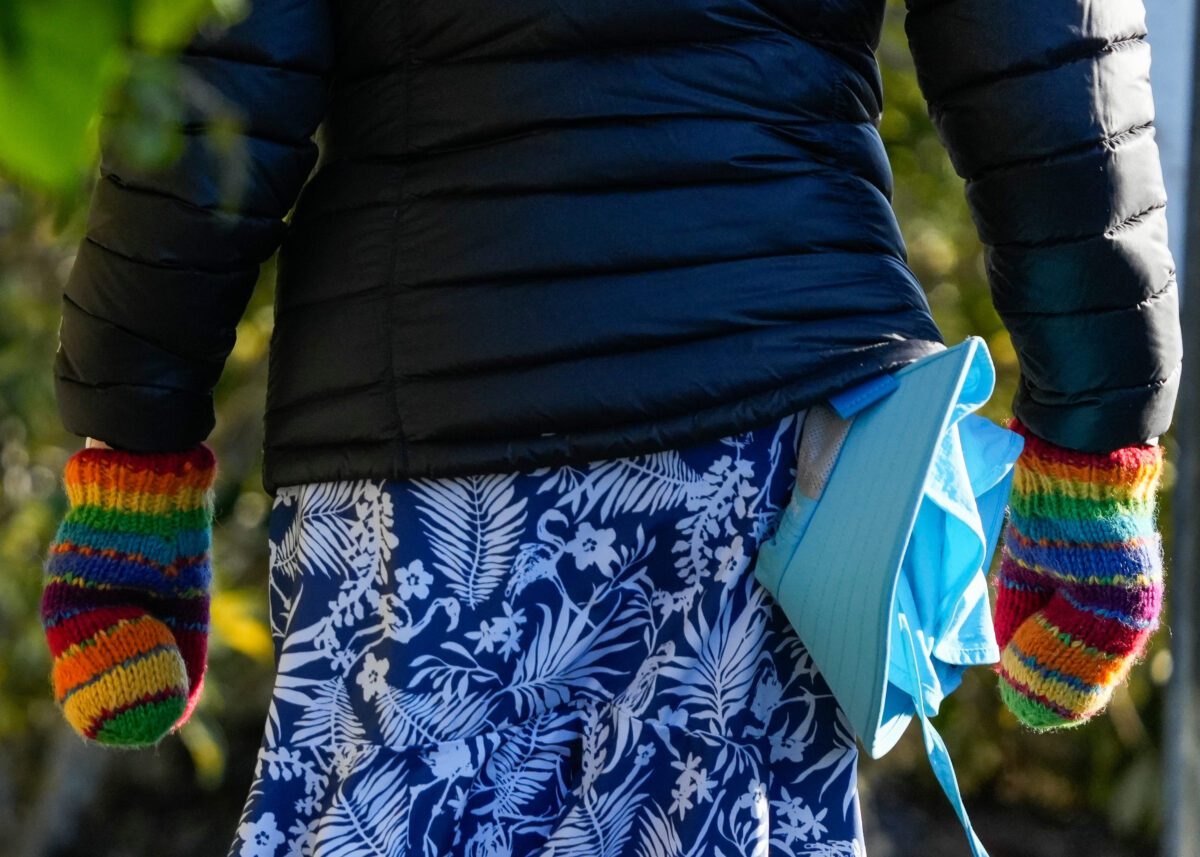
A woman wears gloves to keep warm while walking, Jan. 16, 2026, on Southeast Indian Street in Martin County. (USA Today via Reuters)
North Carolina officials and emergency management agencies are preparing for the possibility of widespread power outages as a winter storm moves into the Carolinas. And there are things you can do too to keep warm if the power goes out.
Tropical Storm Helene is still fresh in many Western North Carolinians’ minds, and with a large winter storm promising snow, ice, and extreme cold across many communities, it’s important to know what to do should you lose power and/or heat.
Here are some tips and last minute preparations you can take ahead of this winter storm.
Here’s how to prepare for a power outage and deal with the effects.
How to keep warm if the power goes out
- If you are able, find another place to go, whether that’s the home of family and friends, a hotel, a shelter set up for power outages, or simply running errands or spending time at businesses when they are open.
- Use a generator if you have one, but keep it outside in a well-ventilated area away from windows.
- Place rolled towels below outside doors to reduce drafts.
- Stay put in a south-facing room with windows, and try to gather all household members in the same room to take advantage of collective body heat.
- Close off unused rooms.
- Close blinds and curtains, especially if the sun is not shining through them and providing heat.
- Wear layers. Wear hats, gloves, and thick socks. Use sleeping bags.
- Set up a tent indoors and do some indoor camping.
- Do not use a gas stove, outdoor stoves, or any devices that burn natural gas or charcoal anywhere inside your home, garage, tent, or camper, or even near a window, because this can cause carbon monoxide poisoning. Also, use carbon monoxide detectors.
How to keep your food safe to eat
- Put fresh food in coolers with ice or in a secure place outside in the shade if below 40 degrees.
- Avoid opening the refrigerator unnecessarily.
- Eat perishable foods first.
- Use a thermometer to check the refrigerator temperature, and throw out any food that has reached 40 degrees.
Other tips
- Protect your pipes by allowing faucets to drip and keeping cabinets that house plumbing open.
- Listen to the radio and monitor your cell phone for emergency alerts.
- Use flashlights, not candles.
- Unplug appliances and electronics to prevent damage from power surges.
- Avoid any damaged or fallen power lines, wires, or poles, which can electrocute you.
Reporting by Joyce Orlando and Rebecca Powell, USA TODAY NETWORK / Asheville Citizen Times
USA TODAY Network via Reuters Connect
Author

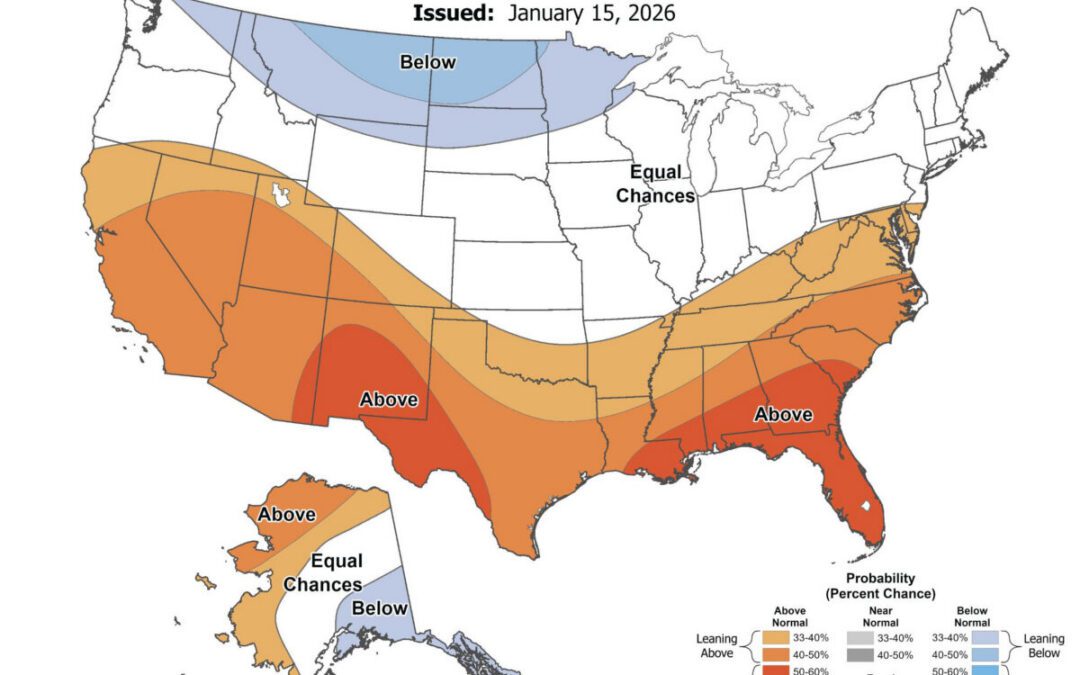
Will it be a warm spring in NC? See NOAA 2026 long-range forecast
Just over a month before the official start of spring, here's what weather forecasters are predicting for NC. As we head into February, the National...
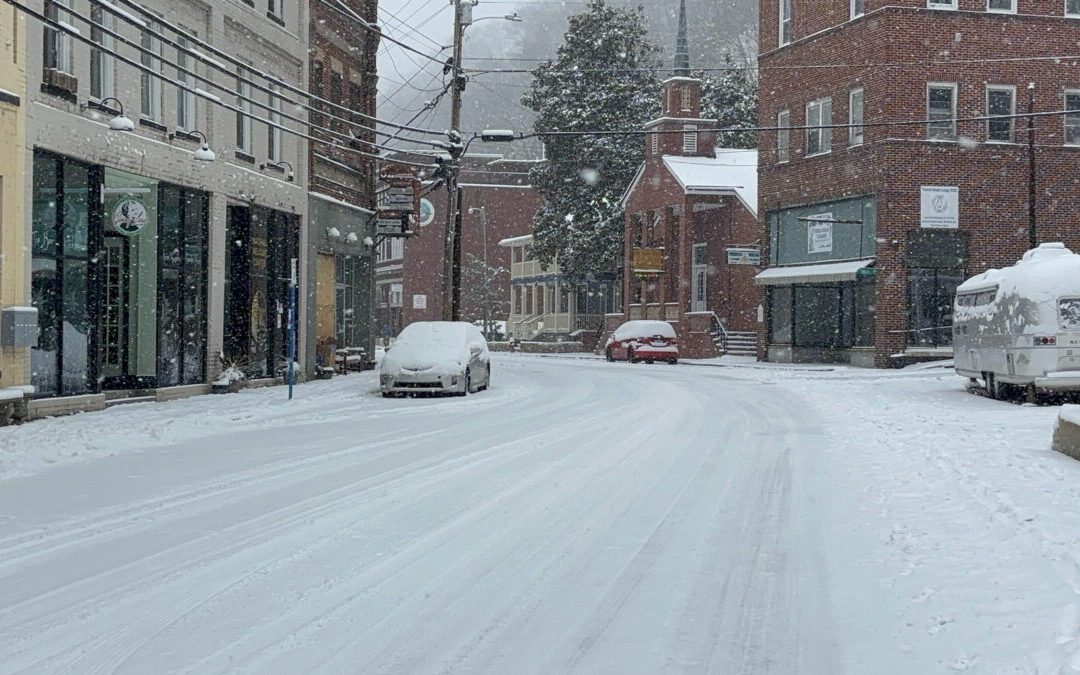
Arctic blast incoming to North Carolina. Will there be snow or ice?
North Carolina will experience a deep shot of Arctic air this weekend, bringing frigid temperatures, gusty winds, and pockets of snow across the...
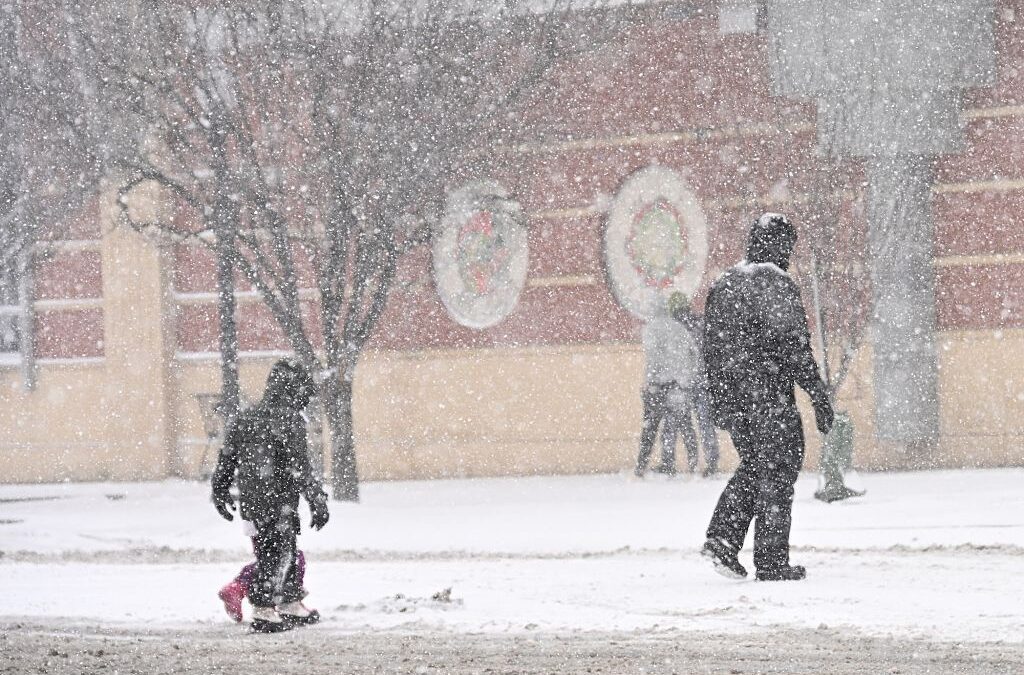
What a bomb cyclone is—and why North Carolina keeps seeing extreme weather
Back-to-back winter storms are testing North Carolina’s power grid. Across North Carolina, the signs of another winter storm were hard to miss: snow...
What a bomb cyclone is—and why North Carolina keeps seeing extreme weather
Back-to-back winter storms are testing North Carolina’s power grid. Across North Carolina, the signs of another winter storm were hard to miss: snow...
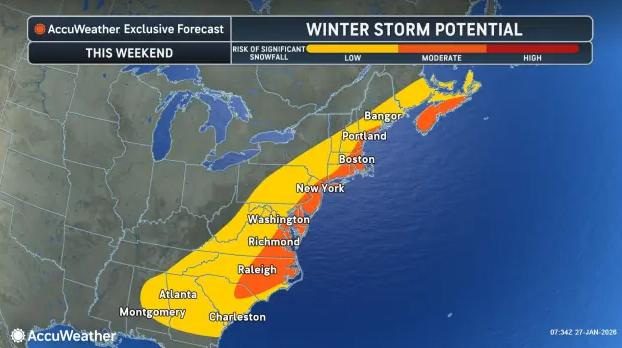
A ‘bomb cyclone’ could drop snow on North Carolina this weekend
These storms can produce heavy snow, strong winds, and coastal flooding, making them a major winter weather threat for areas along the Atlantic...