Health and Human Services Secretary Robert F. Kennedy Jr. listens during a press briefing at the White House, Wednesday, Jan. 7, 2026, in Washington. (AP Photo/Jacquelyn Martin)
US health officials under Robert F. Kennedy Jr. reduced the number of recommended vaccines for children, including shots for diseases that can be fatal and lead to amputations.
The US Department of Health and Human Services (HHS) this week announced significant cuts to the recommended vaccine schedule for children, a longtime goal of HHS Secretary Robert F. Kennedy Jr.
The changes could lower overall vaccination rates and lead to the resurgence of some serious diseases that had been nearly eradicated, NC doctors and medical experts say. They could also make flu seasons far deadlier for children.
The new recommendations, which are effective immediately, do not ban any vaccines, but they remove six widely-used and effective vaccines from the list of routine inoculations federal health officials recommend, including the seasonal flu shot.
Vaccines for measles, polio, and chickenpox are still universally recommended, but the vaccines for RSV, Hepatitis A and B, and meningococcal disease are only suggested for “high-risk groups.”
Flu, COVID, and rotavirus vaccines are now considered entirely optional.
None of these diseases are pleasant and each can be especially hard on children. Many of them can lead to permanent damage. And all of them are preventable with vaccines.
Meningococcal outbreaks can lead to fatal brain swelling and bloodstream infections that require amputation.
Flu kills hundreds of kids a year in the United States and hospitalizes 20,000 annually, on average. This flu season has been worse than average.
Rotavirus is highly contagious and is one of the biggest causes of hospitalization in unvaccinated infants.
The changes to the vaccination schedule could have wide-reaching ramifications.
The recommended schedule tells insurers which vaccines they have to cover and helps school systems decide which shots are required for enrollment. For now, insurers have said they will continue to cover all six of the vaccines knocked off the list, but doctors and medical experts worry that Kennedy’s vaccine changes are only the opening salvo in a longer campaign that eventually makes vaccines hard or impossible to get—even for people and parents who want them.
Rotavirus often means ‘horrible diarrhea’ for children
Dr. Michael Smith, division chief of pediatric infectious diseases at Duke’s school of medicine, told Cardinal & Pine that rotavirus can be especially grisly for children, but that the vaccine, which became widely used starting in 2006, all but eradicated the disease.
Before the current rotavirus vaccines were added to the schedule in 2006 and 2008, Smith said, 10 or 20 kids would come to the ER each night during rotavirus season with severe dehydration, intense vomiting, and “horrible diarrhea.”
They often had to stay in the hospital for several days because “they just couldn’t keep anything down.”
After the vaccines, he said, “that disease went away.” At Duke, most of the resident physicians and medical students “have never seen a single case,” he said.
“That is just amazing to me,” he added.
That also means far fewer parents have had to watch their children suffer through a rotavirus attack, which, ironically, makes it easier for parents to forget why the vaccines are necessary.
“Vaccines have become a victim of their own success,” Smith said.
The changes could make flu season far worse
Dr. Smith said he was especially worried that the flu shot was no longer broadly recommended.
Like in most of the nation, the current and previous flu seasons have been brutal in North Carolina. Cases are up, and there have been hundreds of deaths across the country, building upon the 2024-2025 flu season in which more children died from flu complications than in any other season over the prior 16 years.
Two children between the ages of 3 and 17 have died in North Carolina this flu season, the state department of health says, and some hospitals, including Duke University Health System, have begun limiting visitors to help curb transmission.
“Approximately half of the children who died from influenza last season did not have an underlying medical condition, and 89% were not fully vaccinated,” the NC Department of Health and Human Services says.
The annual flu shot this season was not a perfect match for the dominant and aggressive flu variant currently circulating, but still provides strong protection against the worst symptoms, Dr. Smith said.
The flu vaccine “is not perfect,” he said, “but it really does reduce hospitalizations and severity of disease” for patients of all ages.
Labeling the shot optional rather than recommended, Dr. Smith said, will mean fewer parents seek the shot for themselves and their children. That will be dangerous, he said.
“As [the flu shot] is moved to a more optional group, I worry that next flu season is gonna be even worse,” Smith said.
“And that kind of scares me.”
An ugly history could repeat itself
Dr. Bert Fields is a sports medicine doctor in Greensboro. He spent much of his career as a family medicine doctor, a career that dates to before several of the vaccines that have changed medicine for the better.
When he heard about the changes to the vaccine schedule, Dr. Fields told Cardinal & Pine, he remembered a young unvaccinated patient who died of Hepatitis B.
“I just think back to a 23-year-old girl who died in my practice,” he said. “Here’s a girl who if she had had the vaccine like they were requiring as an infant would’ve almost certainly not died.”
Getting the vaccine saves lives. The inverse is also true. Declining to get it can be deadly, Fields said.
The new schedule, he said, is “gonna lead to deaths.”
“We’ll see some recurrence of these deaths that we used to see when I was in practice at an earlier age.
“If we don’t remember our history,” he said, “we’re destined to live it again.”
Author

Support Our Cause
Thank you for taking the time to read our work. Before you go, we hope you'll consider supporting our values-driven journalism, which has always strived to make clear what's really at stake for North Carolinians and our future.
Since day one, our goal here at Cardinal & Pine has always been to empower people across the state with fact-based news and information. We believe that when people are armed with knowledge about what's happening in their local, state, and federal governments—including who is working on their behalf and who is actively trying to block efforts aimed at improving the daily lives of North Carolina families—they will be inspired to become civically engaged.


As measles cases rise, NC doctors fight vaccine hesitancy
The best place to counter online falsehoods is the local doctor’s office, where many physicians have treated patients from infancy through...
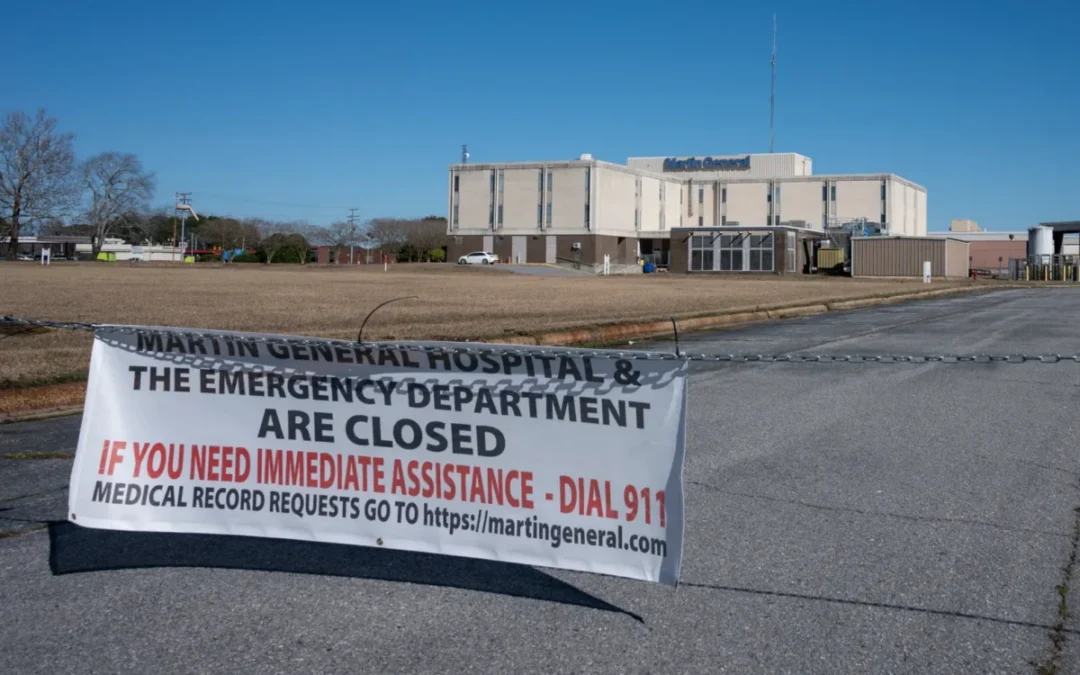
ECU Health’s plan to reopen rural NC hospital offers hope to Martin County
A rural NC community in Martin County has been without a local hospital for three years now. But ECU Health has a plan to reopen it as a "Rural...
Life-saving medications rescued a Halifax County man from fentanyl addiction
The opioid crisis has claimed the lives of tens of thousands of North Carolinians. While some patients are able to access medication to treat...
Life-saving medications rescued a Halifax County man from fentanyl addiction
The opioid crisis has claimed the lives of tens of thousands of North Carolinians. While some patients are able to access medication to treat...
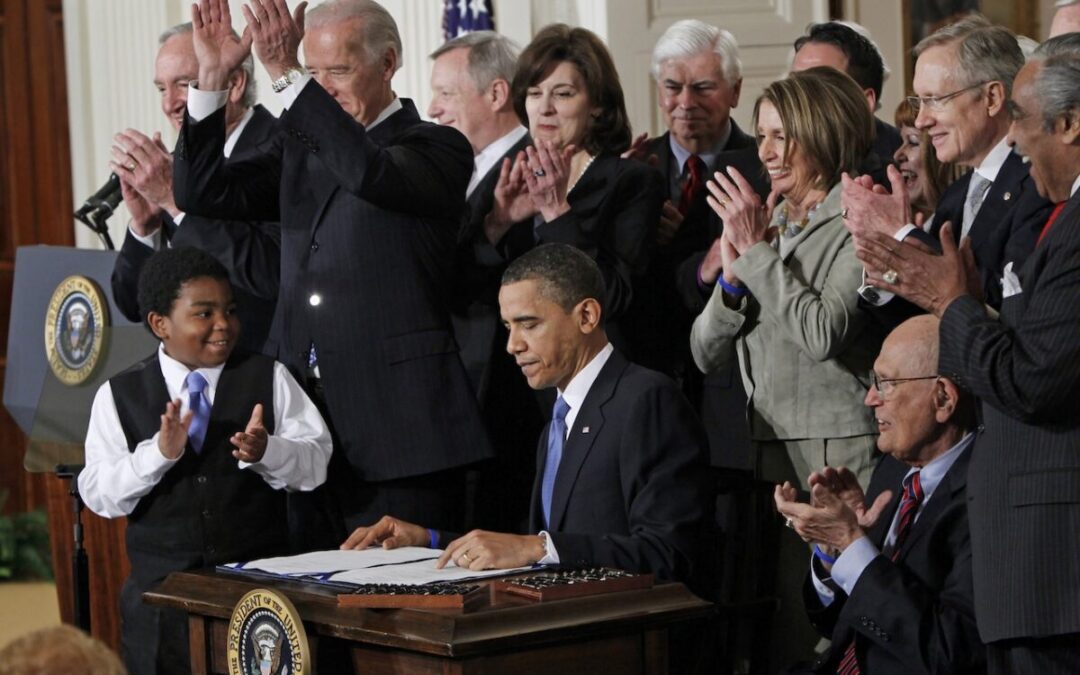
The Affordable Care Act turns 16, but the fight for affordable health care is far from over in NC
The ACA helped North Carolina expand Medicaid to more than 720,000 people, and prevented insurers from refusing to cover people with pre-existing...