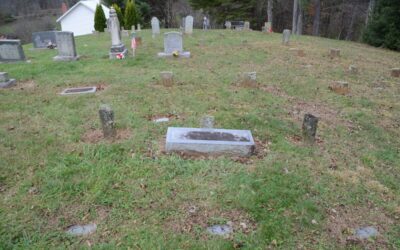
The Rankin-Walker House at 318 Orange St. is a distinctive Queen Anne-style house built by Wilmington's Howe family, which produced four or more generations of Black builders. (USA Today via Reuters)
North Carolina’s Howe family traces their lineage back to an enslaved man who was forced to work construction projects. His descendants have helped build some of Wilmington’s most distinctive buildings.
Take a random stroll through the residential streets of historic downtown Wilmington, and you’re all but guaranteed to walk past a house built by the Howe family.
But while the family, which contains four or more generations of builders, isn’t particularly well-known outside of historic or architectural circles, many of the Wilmington buildings they worked on are quite prominent, including the Bellamy Mansion at Fifth and Market streets, historic St. Mark’s Episcopal Church on North Sixth Street and the Rankin-Walker House at Fourth and Orange streets, which has been featured in many film and TV productions.
READ MORE: Government shutdown halts disaster aid for western North Carolina farmers impacted by Helene
Even the houses the Howe family built that aren’t well-known include a few of the more ornate and elaborate downtown, and the fact that well over a dozen of them are still standing is a testament to the craftsmanship that went into them.
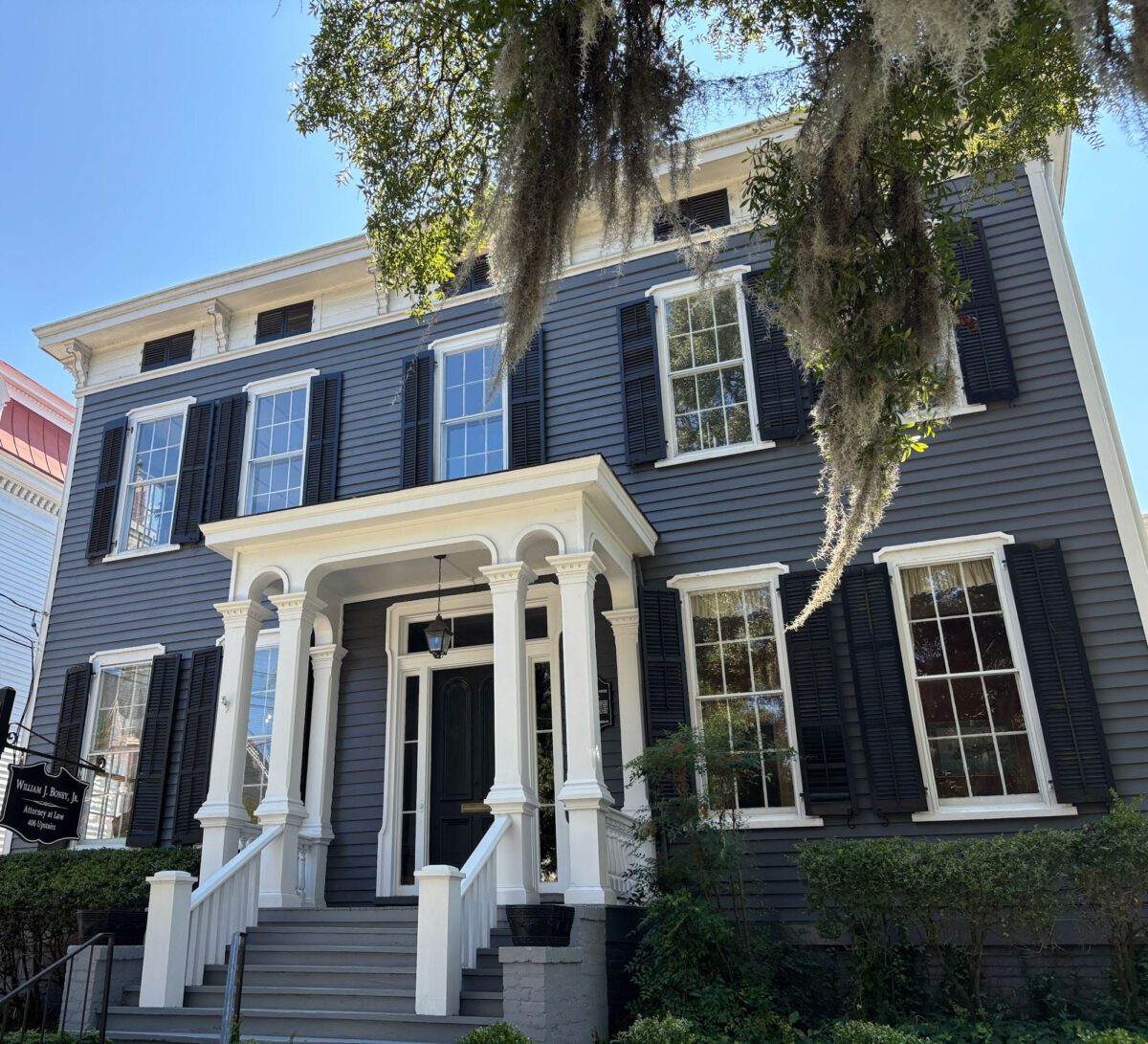
The Mary Jane Langdon House at 408 Market St., one of more than a dozen buildings still standing in downtown Wilmington built by the Howe family, which encompassed four generations of Black builders. (USA Today via Reuters)
According to the website for the North Carolina Architects & Builders project from the North Carolina State University Library, the Howe family traces its roots to Anthony Walker Howe, who was “born in Africa and was sold into slavery and transported to the Lower Cape Fear area in the 18th century,” according to the site.
Howe, who died in 1837 and is buried in Wilmington’s Pine Forest Cemetery, was used by his enslavers for construction projects. He taught his sons Anthony, Pompey and Alfred the building trade, and according to the NCSU library, Howe, his wife Tenah and his children were freed at some point by their owner, Col. Robert Howe.
Howe’s grandsons, including Washington, Valentine, John Harriss and Anthony Howe Jr. also entered the building trade, as did his great-grandsons.
The Howes were active in civic affairs, including politics, and Valentine Howe was elected to the North Carolina House of Representatives in 1887, defeating former Congressman Alfred Moore Waddell, who would go on to instigate violence by Whites against Blacks during the Wilmington Coup and Massacre of 1898.
A partial list of buildings still standing that the Howe family had a hand in building include:
- The Mary Jane Langdon House at 408 Market St., built in 1870. The two-story Italianate structure was built as a residence, and today hosts the offices of the Clark & Clark and William J. Boney Jr. law firms.
- The Alfred Howe House at 301 Queen St., a site where the family was living by the late 1860s. At one point the Howe family owned the entire block bordered by Castle, Queen, Third and Fourth streets, and the house remained in the family until 1984.
- The Rankin-Walker House at 318 Orange St., a distinctive Queen Anne-style house that’s appeared in such TV shows as “Echoes” on Netflix.
- The William B. McKoy House at 402 S. 3rd St., which dates to around 1890. Designed by an architect, James F. Post, the Howe family often worked with (Post designed the historic New Hanover County Courthouse and Thalian Hall, among others), it was one of 12 buildings presented by John Harriss Howe as examples of his work at the 1895 Atlanta Exposition, also known as the Cotton States and International Exposition, which aimed to promote investment in Southern states and show off economic progress.
- The John Harriss Howe House at 511 S. Third St., which dates to 1870 and was home to Howe and his wife, Abbie Jane Waddell, and family.
Reporting by John Staton, Wilmington StarNews / Wilmington StarNews
Author

13 times labor unions made history in North Carolina & beyond
Learn about the 13 most groundbreaking events for North Carolina’s labor unions over the years. If you’re an N.C. local who reads headlines, you may...
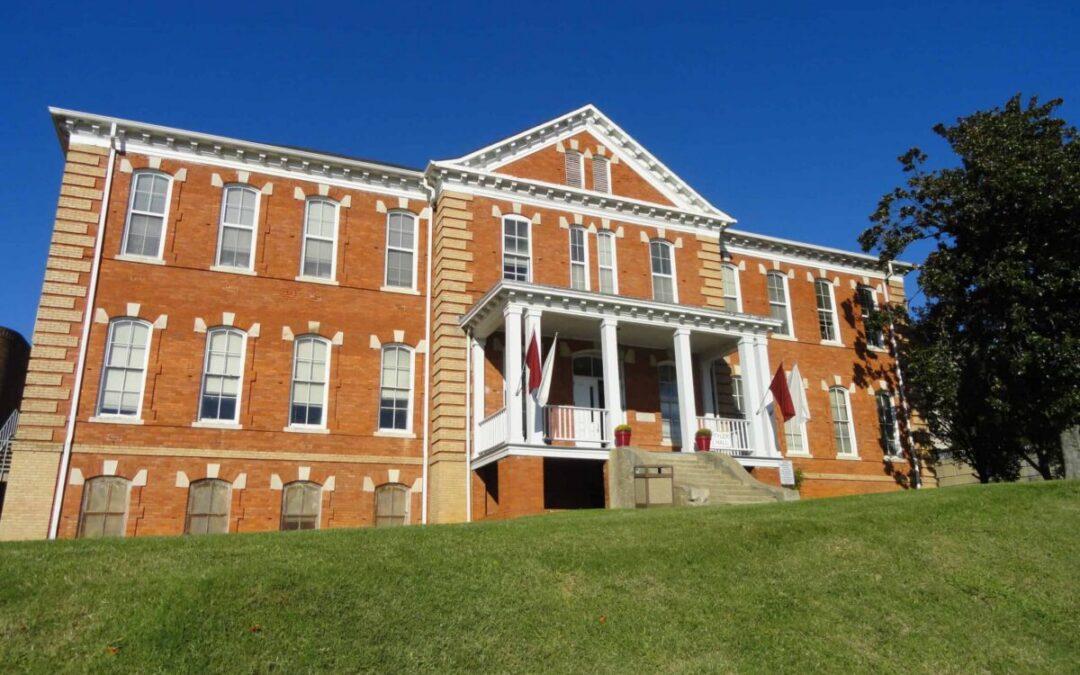
What to know about each of NC’s historically Black colleges
Discover key stats and dive into the history of each of North Carolina’s 10 historically Black colleges and universities. North Carolina is home to...
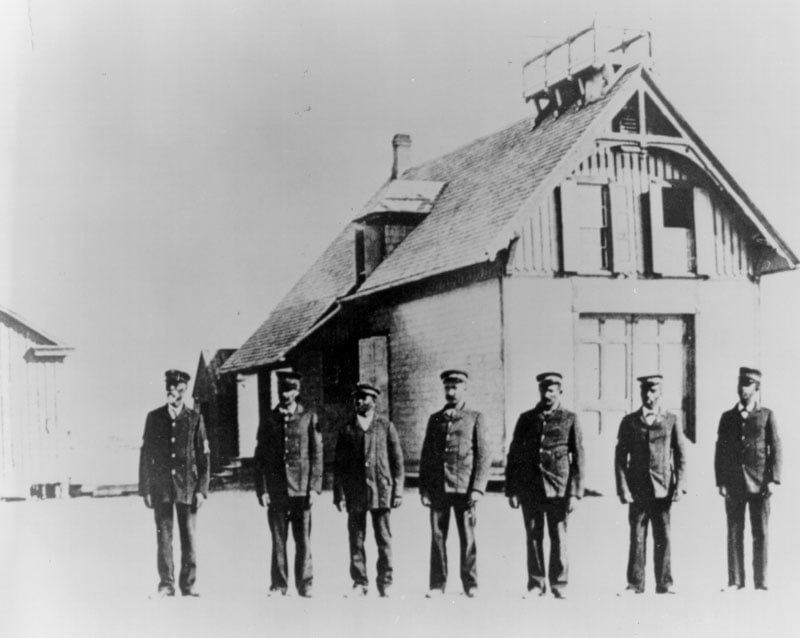
Discover the Pea Island Life Saving Station, the only all-Black station of its kind in the US
Dive into the legacy of North Carolina’s iconic Pea Island Life Saving Station and its heroic, history-making crew. Every year, North Carolina’s...
Discover the Pea Island Life Saving Station, the only all-Black station of its kind in the US
Dive into the legacy of North Carolina’s iconic Pea Island Life Saving Station and its heroic, history-making crew. Every year, North Carolina’s...
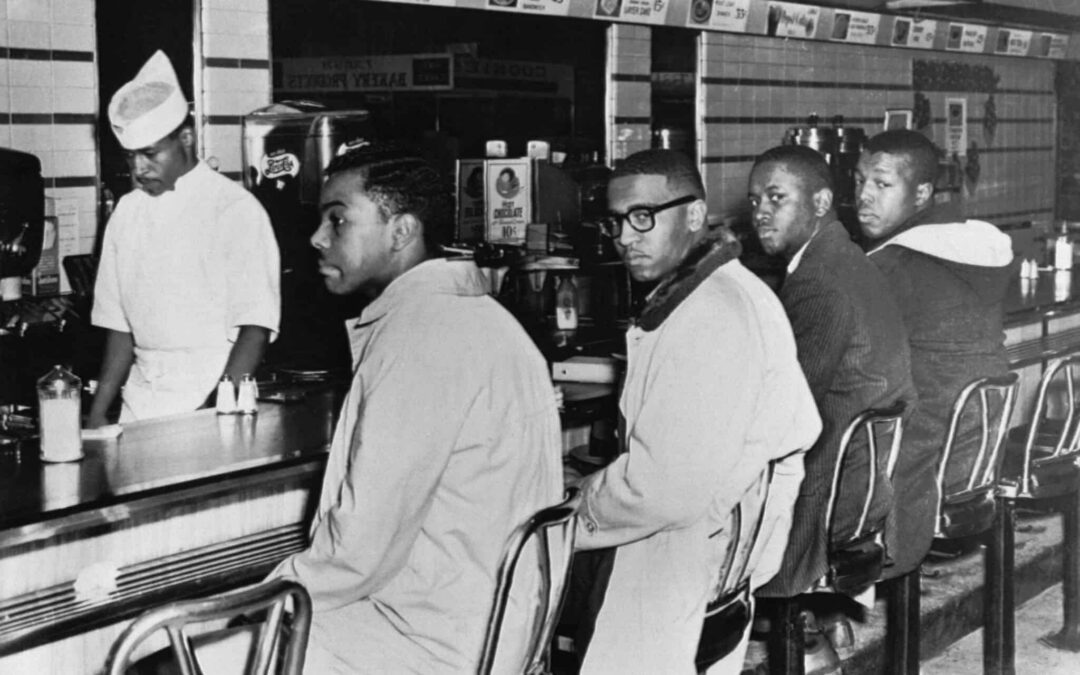
Greensboro Sit-Ins: Learn about the protest that sparked a movement
The Greensboro Sit-Ins started in North Carolina in 1960 before going nationwide. Here’s everything you need to know about this important series of...