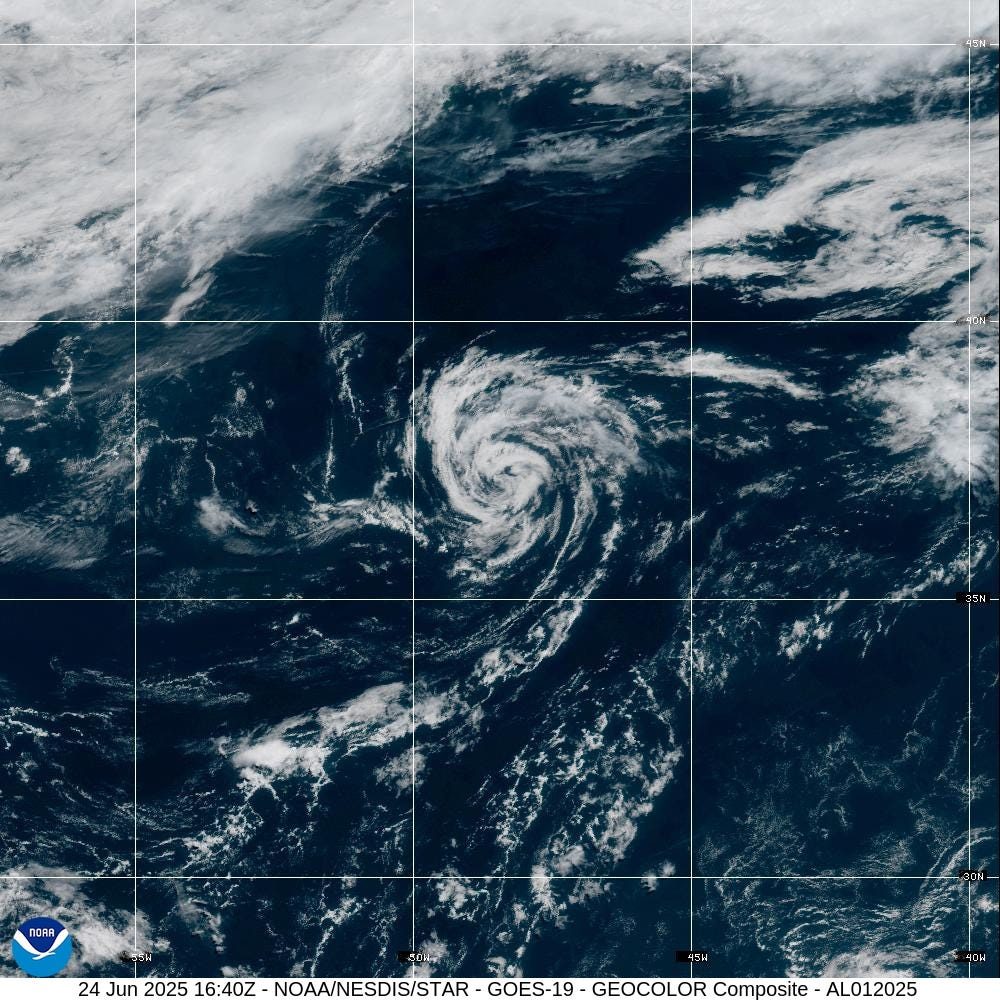
Tropical Storm Andrea, the first storm of the 2025 Atlantic hurricane season, is seen via satellite on June 24, 2025.(USA Today via Reuters)
As hurricane season peaks, it’s been an unusually quiet year in the Atlantic. But officials are warning people in North Carolina that activity is expected to pick up this month.
The peak of hurricane season is historically today — Wednesday, Sept. 10 — meaning it is typically the busiest part of the hurricane season.
Last year, a brief lull earlier in the season was followed by a rapid ramp-up in September, with several storms striking the U.S.; some of the hardest-hit storms, including Hurricanes Helene and Milton, occurred around this peak.
READ MORE: After Helene, town of Lake Lure plans to reopen lake by late spring
This year, though, the Atlantic is unusually quiet. Instead of tracking the movement of major hurricanes or tropical storms, National Hurricane Center forecasters are watching tropical waves.
“Wednesday will likely be the first climatological peak of the Atlantic hurricane season in nearly a decade without a named storm in the basin,” AccuWeather Lead Hurricane Expert Alex DaSilva said.
Are there any storms in the Atlantic right now?
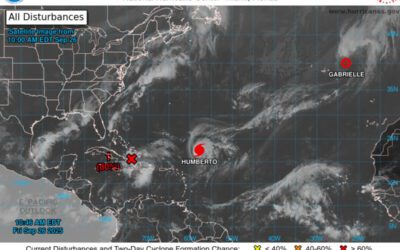
Tropical cyclone activity is not expected within the next seven days, though the National Hurricane Center is tracking two waves in the Atlantic basin.
Officials warn residents not to become complacent, though, since activity is expected to pick up later this month and conditions that have helped prevent storms from developing — dry air and wind shear — are expected to dissipate.
Of special concern are storms that develop close to the United States. Instead of being able to watch tropical waves move off the coast of Africa and make their way across the entire Atlantic, systems that form in the Gulf, Caribbean or off the Southeast coast give residents much less time to react.
Those storms, also known as “homegrown,” can rapidly intensify, especially in the extremely warm waters of the Gulf, AccuWeather forecasters warned.
The next named storm of the Atlantic hurricane season will be Gabrielle.
‘Where the heck are the Atlantic hurricanes?’
Philip Klotzbach, meteorologist with Colorado State University, took to X to comment on how unusual the lack of storms are this year during the peak of the Atlantic hurricane season.
“Where the heck are the Atlantic #hurricanes? While we don’t claim to know exactly why it’s gotten so quiet, we have written a discussion on the season to date, some drivers of the lull as well as some thoughts on the remainder of the season.”
Reasons cited for the “extremely quiet” season so far included:
- A dry and stable tropical Atlantic
- Wind shear
- Conditions in Africa suppress the formation of easterly waves
“No tropical storms or hurricanes over the Atlantic basin on Sept. 10 has only happened three times over the last 30 years,” DaSilva said.
“Since 1950, there have only been eight total years without a tropical storm or greater over the Atlantic for the peak date.”
What tropical waves, disturbances are in the Atlantic basin now?
- An eastern Atlantic tropical wave is near 30W from 18N southward. It is moving west at around 11 mph. Scattered moderate convection is found from 11N to 14N between 22W and 33W.
- A western Atlantic tropical wave is near 57W from 16N southward, moving toward the west around 11 mph. Convection previously associated with this wave has dissipated this morning.
Are any hurricanes coming to North Carolina?
No. The National Hurricane Center is predicting no tropical cyclone activity will occur over the next seven days.
It’s too early at this time to determine if there will be any impact to North Carolina or the U.S. from the tropical waves out there.
Conditions can change rapidly, though, and forecasters warn residents to not become complacent and to always be prepared.
How does the 2025 Atlantic hurricane season compare to last year in North Carolina?
For North Carolina, the season has been quiet so far, following a similar pattern to 2024, although Hurricane Erin brought some significant impacts to the Outer Banks.
Around this time last year, Tropical Storm Debby brought heavy rain, flash flooding, tropical storm–force wind gusts, minor coastal flooding and three weak tornadoes to southeastern North Carolina after making landfall in Florida’s Big Bend region on Aug. 5, 2024, and then a second landfall in South Carolina‘s Bulls Bay between Charleston and Georgetown early on Aug. 8, 2024.
By late September, the state tracked Tropical Storm Helene, which caused flash floods, landslides and hundreds of fatalities after moving through the Appalachians.
So far, no storms have directly affected the state, but Colorado State researchers say North Carolina has one of the highest odds of seeing impacts from a hurricane or named storm this season — second only to Florida.
When does the Atlantic hurricane season end in North Carolina?
The Atlantic hurricane season runs from June 1 through Nov. 30.
Ninety-seven percent of tropical cyclone activity occurs during this time period, NOAA said.
The Atlantic basin includes the northern Atlantic Ocean, Caribbean Sea and Gulf of America, as the Gulf of Mexico is now known in the U.S. per an order from President Donald Trump. NOAA and the National Hurricane Center are now using Gulf of America on its maps and in its advisories.
The peak of the season is Sept. 10, with the most activity happening between mid-August and mid-October, according to the Hurricane Center.
Prepare now for hurricanes
Delaying potentially life-saving preparations could mean waiting until it’s too late. “Get your disaster supplies while the shelves are still stocked, and get that insurance checkup early, as flood insurance requires a 30-day waiting period,” NOAA recommends.
- Develop an evacuation plan: If you are at risk from hurricanes, you need an evacuation plan. Now is the time to begin planning where you would go and how you would get there.
- Assemble disaster supplies: Whether you’re evacuating or sheltering-in-place, you’re going to need supplies not just to get through the storm but for the potentially lengthy aftermath, NOAA said.
- Get an insurance checkup and document your possessions: Contact your insurance company or agent now and ask for an insurance check-up to make sure you have enough insurance to repair or even replace your home and/or belongings. Remember, home and renters insurance doesn’t cover flooding, so you’ll need a separate policy for it. Flood insurance is available through your company, agent, or the National Flood Insurance Program. Act now, as flood insurance requires a 30-day waiting period.
- Create a family communication plan: NOAA says to take the time now to write down your hurricane plan and share it with your family. Determine family meeting places, and make sure to include an out-of-town location in case of evacuation.
- Strengthen your home: Now is the time to improve your home’s ability to withstand hurricane impacts. Trim trees; install storm shutters, accordion shutters, and/or impact glass; seal outside wall openings.
Brandi D. Addison covers weather across the United States as the Weather Connect Reporter for the USA TODAY Network. She can be reached at [email protected].
This article originally appeared on Asheville Citizen Times: ‘Where the heck are Atlantic hurricanes?’ What to know in NC as hurricane season peaks
Reporting by Brandi D. Addison and Cheryl McCloud, USA TODAY NETWORK / Asheville Citizen Times
USA TODAY Network via Reuters Connect
Author

Will it be a warm spring in NC? See NOAA 2026 long-range forecast
Just over a month before the official start of spring, here's what weather forecasters are predicting for NC. As we head into February, the National...
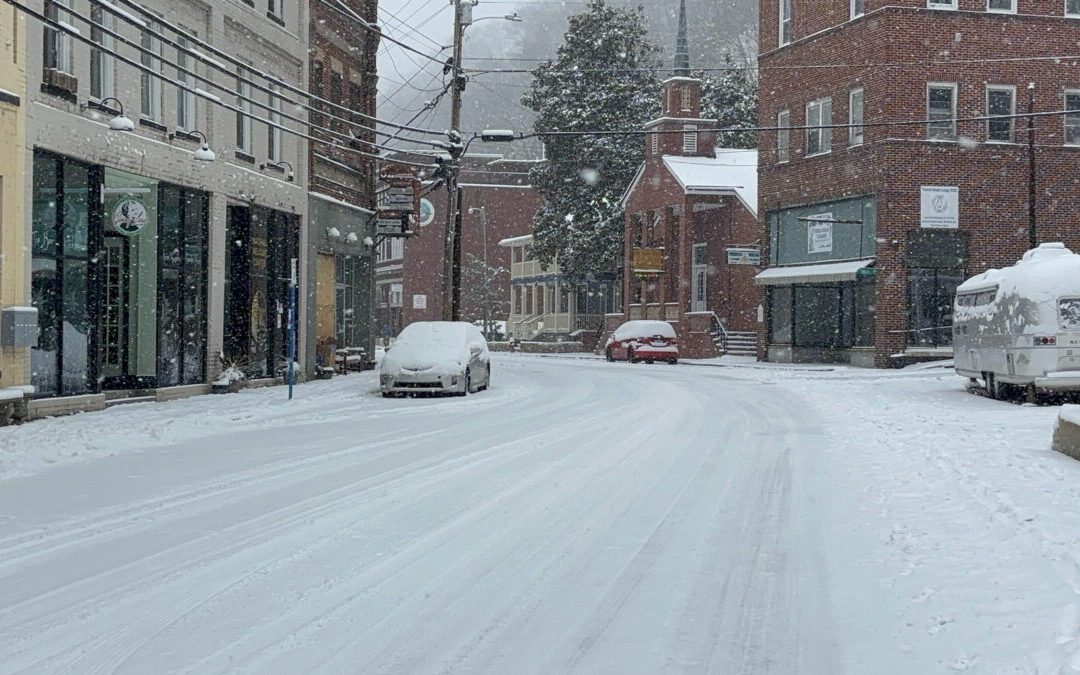
Arctic blast incoming to North Carolina. Will there be snow or ice?
North Carolina will experience a deep shot of Arctic air this weekend, bringing frigid temperatures, gusty winds, and pockets of snow across the...
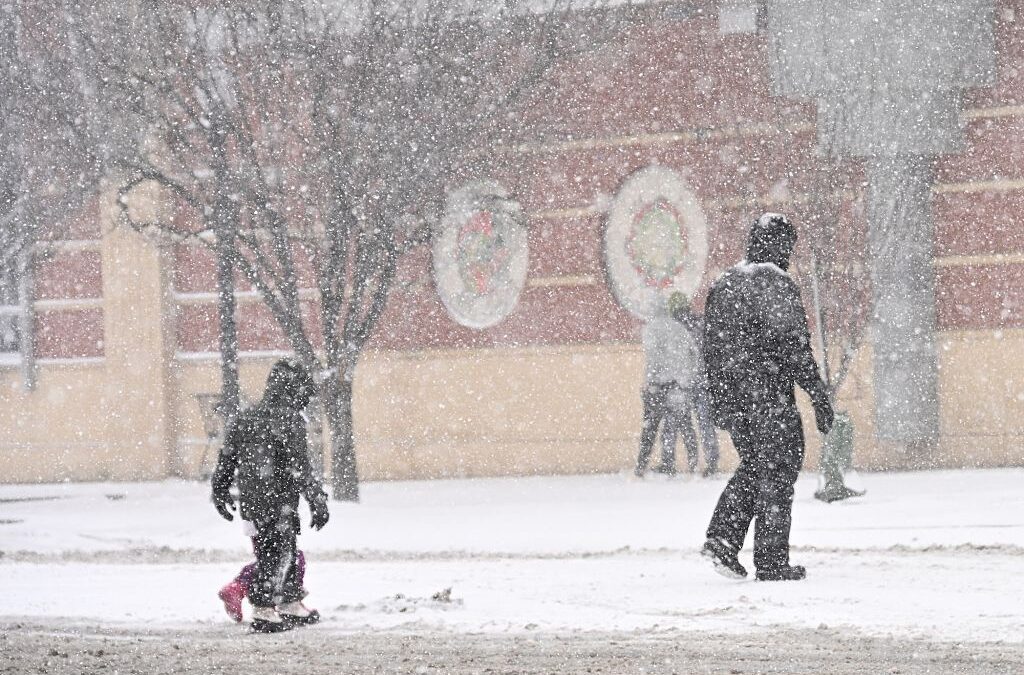
What a bomb cyclone is—and why North Carolina keeps seeing extreme weather
Back-to-back winter storms are testing North Carolina’s power grid. Across North Carolina, the signs of another winter storm were hard to miss: snow...
What a bomb cyclone is—and why North Carolina keeps seeing extreme weather
Back-to-back winter storms are testing North Carolina’s power grid. Across North Carolina, the signs of another winter storm were hard to miss: snow...
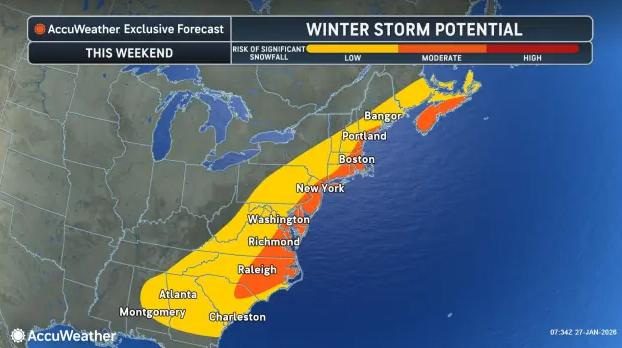
A ‘bomb cyclone’ could drop snow on North Carolina this weekend
These storms can produce heavy snow, strong winds, and coastal flooding, making them a major winter weather threat for areas along the Atlantic...