Republican presidential nominee former President Donald Trump arrives to speak at a campaign town hall at the Greater Philadelphia Expo Center & Fairgrounds, Monday, Oct. 14, 2024, in Oaks, Pa. (AP Photo/Alex Brandon)
Donald Trump’s history of punishing disloyalty and Republicans’ amplification of conspiracy theories could undermine disaster relief efforts if Trump is elected to a second term in the White House.
Recent headlines highlight the stakes for Americans hoping they can rely on the federal government for relief and clarity in the event of natural disasters like the hurricanes that have ravaged the East Coast.
According to a Politico report earlier this month, Trump “on at least three occasions hesitated to give disaster aid to areas he considered politically hostile or ordered special treatment for pro-Trump states.” Trump at first refused to give disaster aid to Democratic-leaning California in 2018 after deadly wildfires, but the former president relented after a staff member showed him that many Trump supporters lived in heavily damaged Orange County, Politico reported.
Democrats and Trump-critics have said the report suggests the dangers Trump would pose if elected back to the White House.
“He doesn’t care about America. He only cares about himself,” California Gov. Gavin Newsom posted to X, formerly known as Twitter.
Trump has already shown an unwillingness to help communities prepare for natural disasters. During his term in office, Trump got rid of federal standards intended to ensure that anything built with taxpayer money in high flood-risk areas had to have stronger protections against flooding. Biden was able to get the rules re-installed but the damage was done.
The New York Times reported that, “according to state and federal data, at least five water treatment plants in Florida that were in the path of Helene and Milton were exempt from tougher national building standards and sustained damage from the hurricane ranging from water line breaks to power losses.”
Trump’s rescinding of the federal flood risk management standard signaled a lack of understanding of the value of pre-disaster mitigation, according to Mary-Carson Stiff, executive director of Wetlands Watch, a nonprofit focused on climate change.
“Anytime anyone in government is doing something that weakens the ability for people to prepare buildings, other infrastructure, themselves for a potential future event, flood event, storm event, whatever, then you’re weakening their ability to recover,” Stiff said in an interview. “You’re weakening their infrastructure’s ability to be resilient and individuals’ ability to be economically resilient after a storm event.”
The possible uncertainty of actually getting help from the government in the event of a natural disaster is of a piece with the conspiracy theories recently pushed by right wing politicians that have caused confusion in storm-hit areas.
Most notoriously, Marjorie Taylor Greene posted to X on Oct. 3 that, “Yes they can control the weather. It’s ridiculous for anyone to lie and say it can’t be done,” and she has since doubled-down on the conspiracy theory that the government controls the weather. Meteorology experts told CBS news that it is not possible to create or control hurricanes.
Other Republicans have pushed the idea that the Federal Emergency Management Agency is spending money to aid illegal immigrants rather than American citizens hit by hurricanes. US House Rep. Michelle Steel posted to X on Oct. 4 that FEMA has spent over a billion dollars on illegal immigrants. FEMA addressed the “rumor” in an Oct. 12 post on its website, saying, “Disaster Relief Fund money has not been diverted to other, non-disaster related efforts.”
Joseph Uscinski, a political scientist at the University of Miami who studies conspiracy theories, said in an interview political leaders like Trump are to blame for the perpetuation of conspiracy theories.
“Political leaders have really big megaphones, and they reach really big audiences of people who trust them,” Uscinski said.
Author

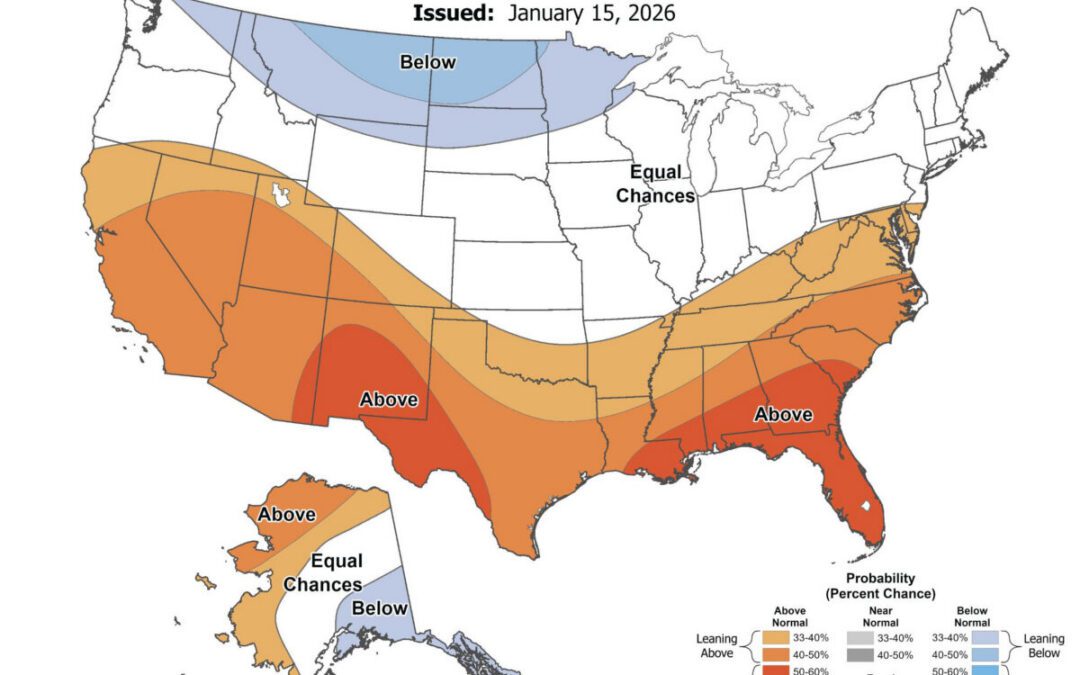
Will it be a warm spring in NC? See NOAA 2026 long-range forecast
Just over a month before the official start of spring, here's what weather forecasters are predicting for NC. As we head into February, the National...
Arctic blast incoming to North Carolina. Will there be snow or ice?
North Carolina will experience a deep shot of Arctic air this weekend, bringing frigid temperatures, gusty winds, and pockets of snow across the...
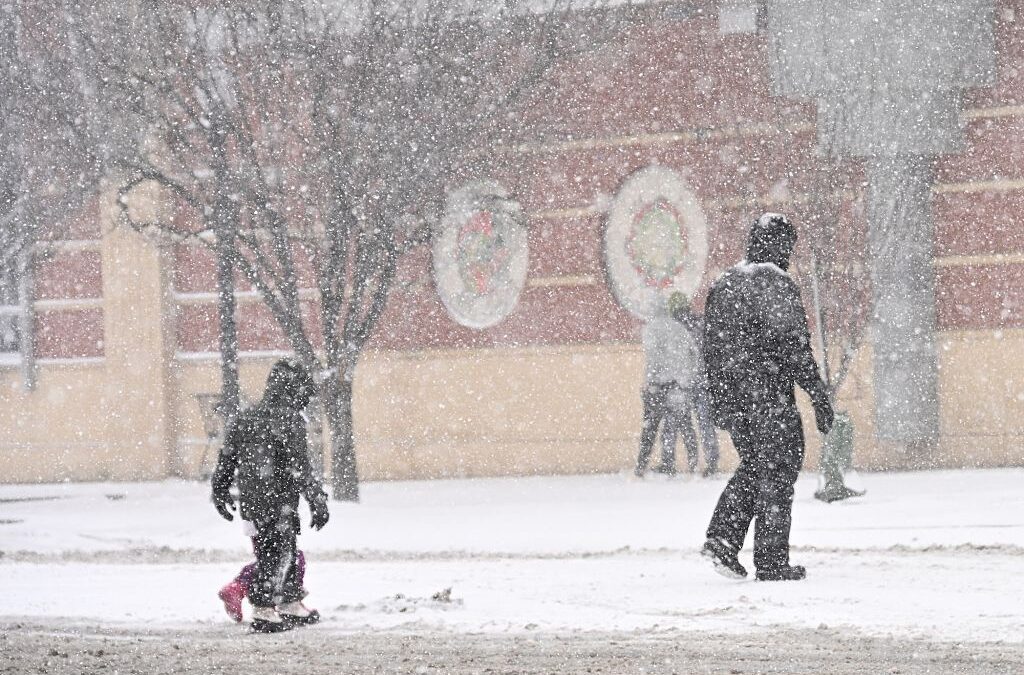
What a bomb cyclone is—and why North Carolina keeps seeing extreme weather
Back-to-back winter storms are testing North Carolina’s power grid. Across North Carolina, the signs of another winter storm were hard to miss: snow...
What a bomb cyclone is—and why North Carolina keeps seeing extreme weather
Back-to-back winter storms are testing North Carolina’s power grid. Across North Carolina, the signs of another winter storm were hard to miss: snow...
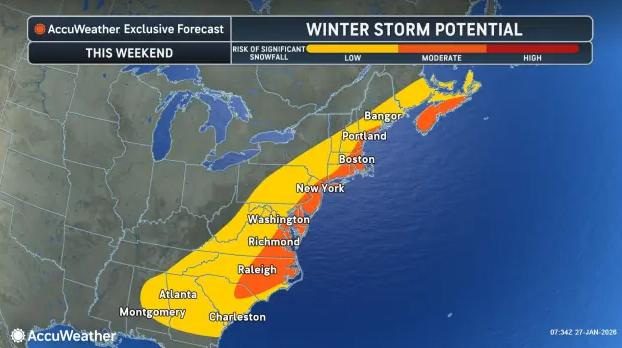
A ‘bomb cyclone’ could drop snow on North Carolina this weekend
These storms can produce heavy snow, strong winds, and coastal flooding, making them a major winter weather threat for areas along the Atlantic...