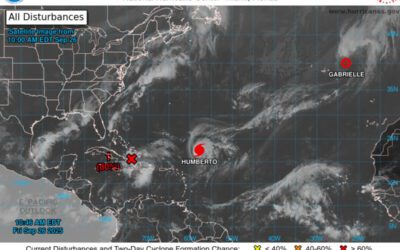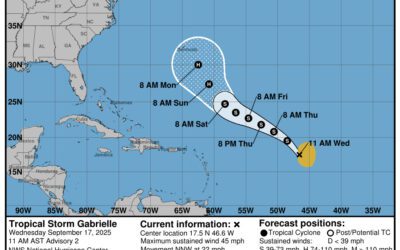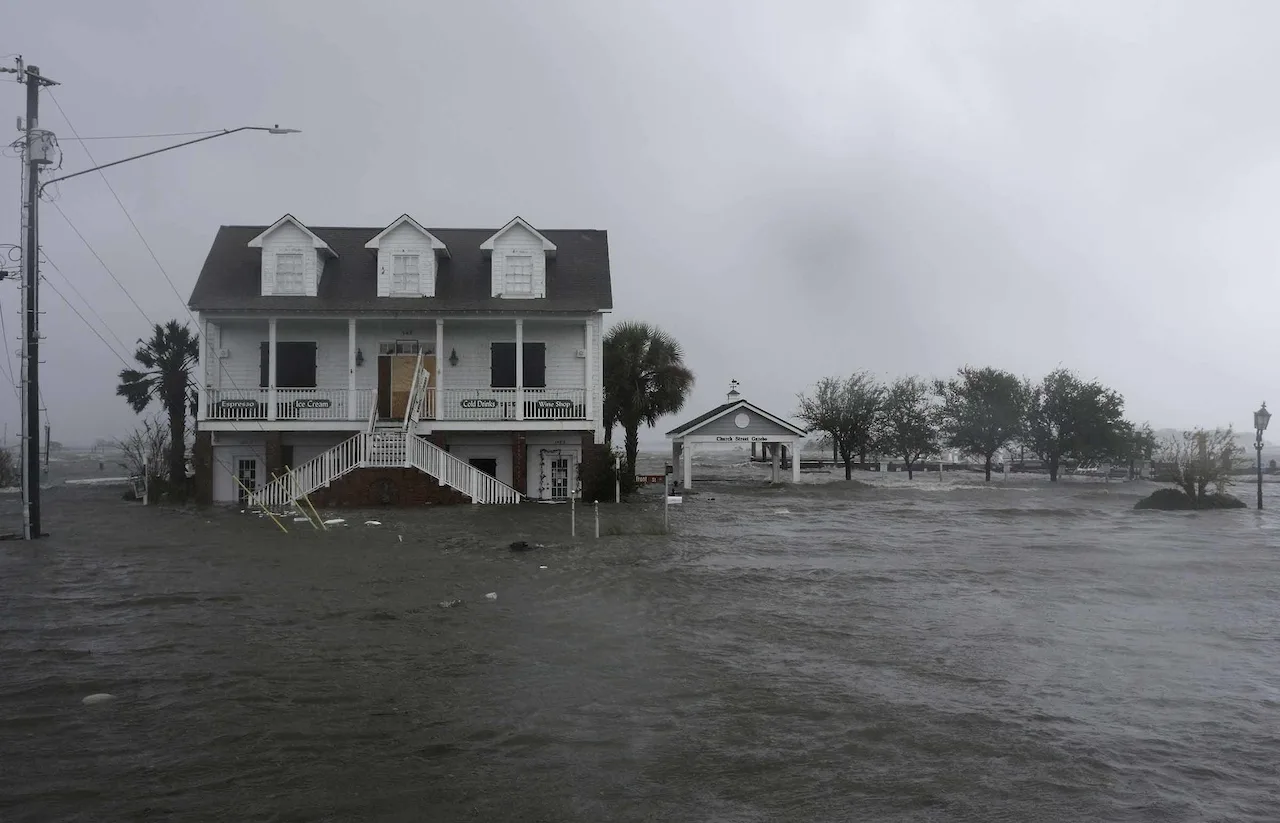
In this 2018 file photo, Hurricane Florence flooded Swansboro N.C. and several other coastal cities in 2018. Climate change is making it more likely that NC faces dangerous hurricanes. (AP Photo/Tom Copeland, File)
Warmer temperatures make it more likely that North Carolina faces a dangerous hurricane this year, climate scientists say.
by Lisa Sorg, NC Newsline
There is a 56% probability that a hurricane will come within 50 miles of the North Carolina coast this summer, according to a recent tropical forecast by scientists at Colorado State University. For named tropical storms, the probability is 85%.
For the entire East Coast, the probability of a major hurricane — a Category 3, 4 or 5 — making landfall is 34%. That figure is well above the long-term average of 21%.
Several factors are contributing to the higher-than-average probability. Record warm sea surface temperatures in the eastern and central Atlantic basin are expected to remain well above average for the upcoming hurricane season, the scientists wrote in their forecast.
These high temperatures create favorable conditions for hurricanes. The atmosphere becomes more unstable, with increased moisture and reduced wind shear, the latter of which can disrupt hurricanes’ formation and intensification.
El Niño conditions, which generally suppress hurricane formation, are anticipated to switch to La Niña conditions by the peak of the Atlantic hurricane season in late summer. La Niña conditions favor hurricane formation.
Climate change is driving the higher sea surface temperatures. When the Colorado State scientists compared other years with similar atmospheric conditions, “none had sea surface temperatures in March that were as warm as they are now.”
Hurricane season in the Atlantic basin will be “extremely active,” the scientists wrote. However, they cautioned that these general forecasts don’t predict the precise location of a hurricane landfall, and “the probability of landfall for any one location is very low.”
North Carolina has 320 miles of ocean shoreline, but as previous hurricanes have shown, inland impacts can be devastating. In 1996, Hurricane Fran made landfall as a Category 3 storm at Cape Fear, near Wilmington, then traveled northwest, devastating parts of central North Carolina.
Three years later, Hurricane Floyd hugged the North Carolina coast, but because of its size — 580 miles across — it wreaked significant damage inland.
In 2016, Hurricane Matthew also skirted the coast, but was a slow-moving storm, inundating most of the Coastal Plain. Many of those same areas were again destroyed two years later when Hurricane Florence malingered over southeastern North Carolina.
Here is a summary of the hurricane predictions for the entire Atlantic Basin this summer, compared to the long-term average:
23 named storms, average is 14.4
11 hurricanes, average is 7.2,
5 major hurricanes, in Categories 3 through 5; average is 3.2
Hurricane season starts June 1.
NC Newsline is part of States Newsroom, a nonprofit news network supported by grants and a coalition of donors as a 501c(3) public charity. NC Newsline maintains editorial independence. Contact Editor Rob Schofield for questions: [email protected]. Follow NC Newsline on Facebook and Twitter.
Author

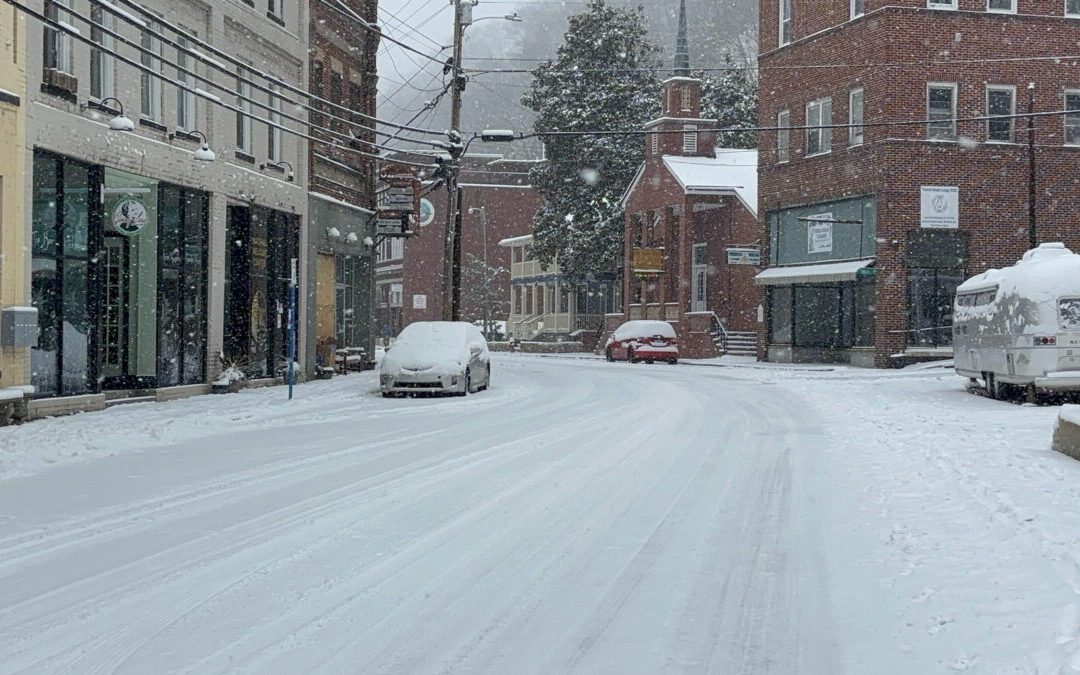
Arctic blast incoming to North Carolina. Will there be snow or ice?
North Carolina will experience a deep shot of Arctic air this weekend, bringing frigid temperatures, gusty winds, and pockets of snow across the...
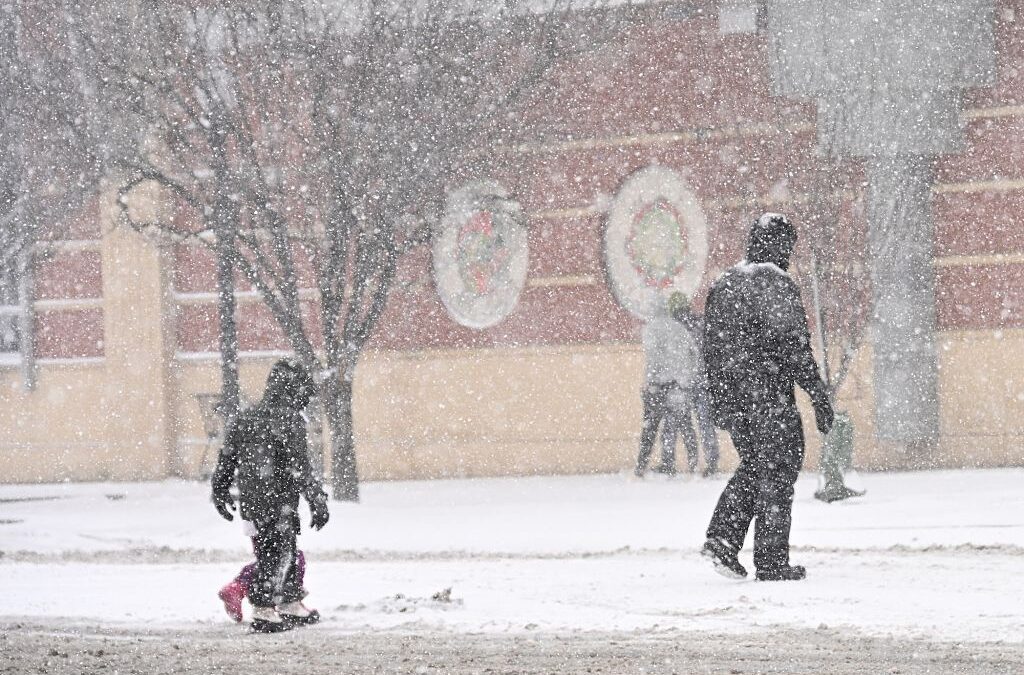
What a bomb cyclone is—and why North Carolina keeps seeing extreme weather
Back-to-back winter storms are testing North Carolina’s power grid. Across North Carolina, the signs of another winter storm were hard to miss: snow...
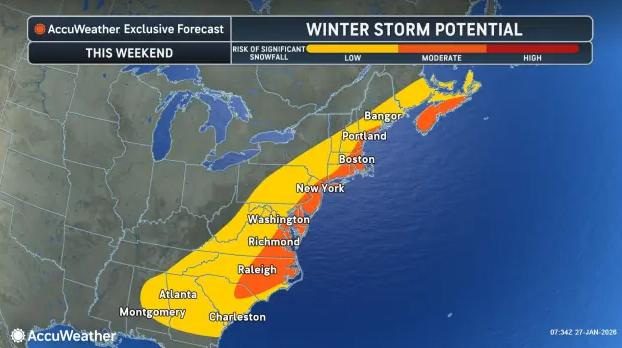
A ‘bomb cyclone’ could drop snow on North Carolina this weekend
These storms can produce heavy snow, strong winds, and coastal flooding, making them a major winter weather threat for areas along the Atlantic...
A ‘bomb cyclone’ could drop snow on North Carolina this weekend
These storms can produce heavy snow, strong winds, and coastal flooding, making them a major winter weather threat for areas along the Atlantic...
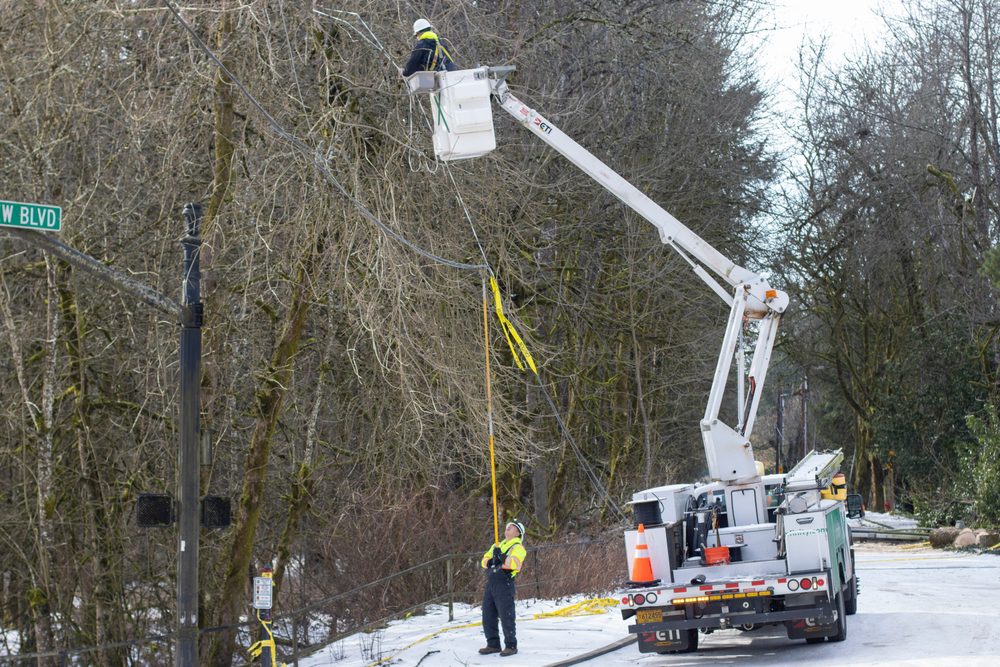
Everything you never learned about NC’s power grid—and how clean energy fits in
What keeps the lights on during winter storms has less to do with forecast, and more to do with how the state’s grid is designed. When Winter Storm...