
Harris visits NC, pledges ongoing support after Helene
Kamala Harris praised emergency responders involved in the recovery effort and promised that the federal government was “here for the long haul.”
Kamala Harris praised emergency responders involved in the recovery effort and promised that the federal government was “here for the long haul.”

A decade after the Flint water crisis raised alarms about the continuing dangers of lead in tap water, President Joe Biden is setting a 10-year deadline for cities across the nation to replace their lead pipes.

Kamala Harris has proposed increasing the corporate tax rate, expanding the child tax credit, and cutting taxes for more than 100 million working and middle class Americans. Donald Trump, meanwhile, said he wants to permanently extend tax breaks that primarily benefited the ultra-wealthy and corporations.

Just like he did in 2020, when he began attacking mail-in voting months before Election Day, Donald Trump appears to be laying the groundwork to once again challenge any election results he doesn’t like.

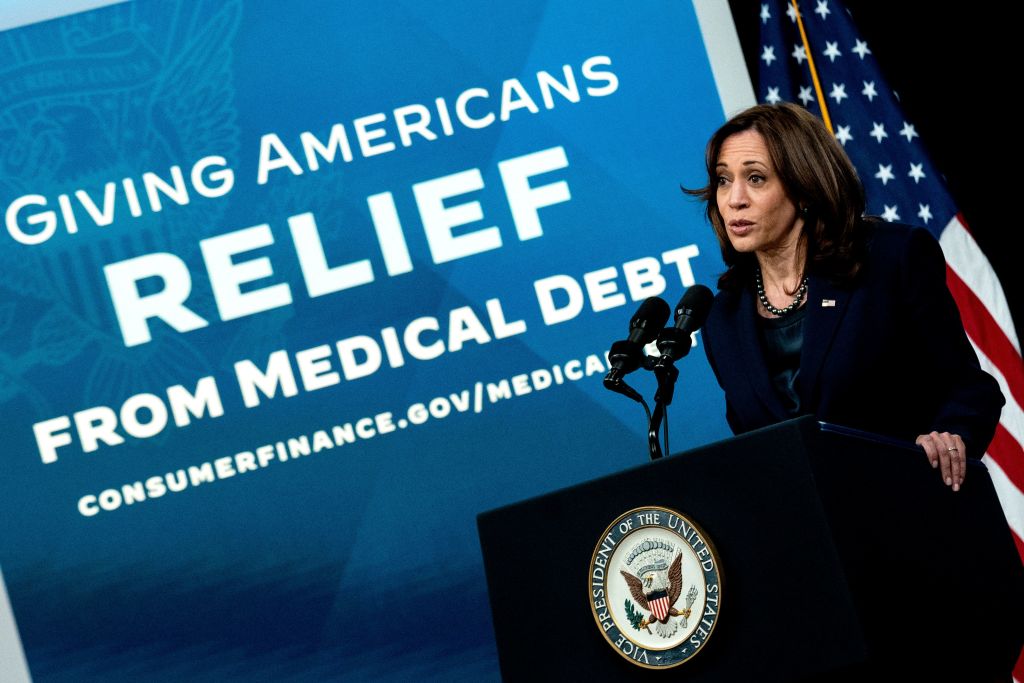
These actions include issuing advisories to prevent debt collectors from targeting families with illegal medical debt collection tactics and cracking down on certain collectors. The new efforts could have a major impact in North Carolina, where as many as three million people are affected by medical debt.
During Tuesday’s vice presidential debate, Tim Walz highlighted the importance of building more affordable homes for families and holding accountable Wall Street investors who buy up housing and treat it as a commodity, while JD Vance continued to demonize undocumented immigrants and blame them for the nation’s housing shortage.

Harris wants to expand the $35 monthly cap on insulin costs and a $2,000 annual cap on out-of-pocket drug costs so that they apply to all Americans, not just seniors on Medicare.

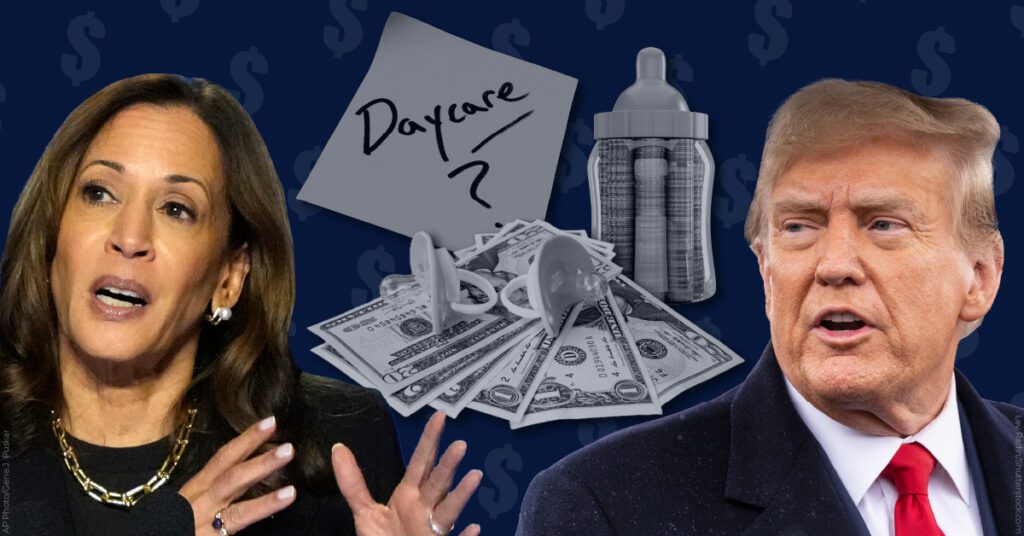
Harris has proposed capping families’ child care costs to 7% of their income and offering families of newborns up to $6,000 in the first year of the child's life. Trump, on the other hand, has focused on tariffs as a solution to the child care crisis, despite evidence showing they would only raise costs for families.
The Senate filibuster rule requires a 60-vote threshold for most legislation to pass, making it virtually impossible to pass abortion rights legislation due to Republican opposition. Without the filibuster, a law restoring Roe v. Wade could pass with a simple majority, or 51 Senate votes.

Kamala Harris has said that she will call on Congress to pass a federal ban on price gouging and give the federal government more authority to prevent consolidation in the food industry, if elected. Donald Trump, on the other hand, wants to impose tariffs and reduce food imports, a plan that would cause food prices to increase.


| November 20, 2024

| November 15, 2024

| November 14, 2024

| November 14, 2024

| November 12, 2024