
In a gridlocked Congress, a rare show of bipartisanship to prevent stillbirths
U.S. Rep. Alma Adams from North Carolina partners with Republicans to fund research in preventing stillbirths, which happen about 58 times a day in America.
U.S. Rep. Alma Adams from North Carolina partners with Republicans to fund research in preventing stillbirths, which happen about 58 times a day in America.

Huge portions of North Carolina are without local options for maternity care. Here's why that matters.

NC has major gaps in maternal care, especially for rural communities of color. Here's how you can help.
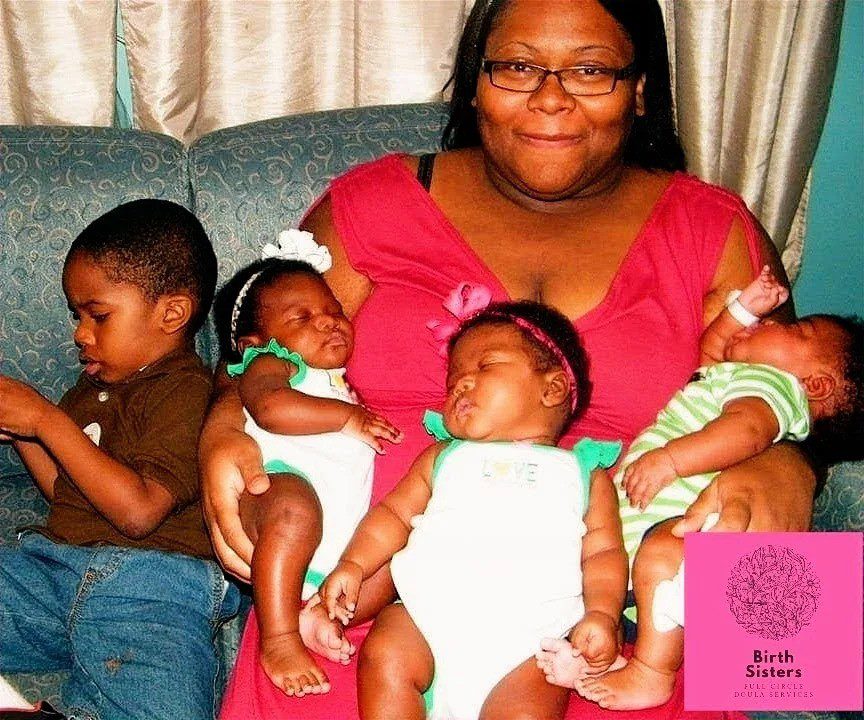
It can be difficult and expensive to be a pregnant person in NC, especially if you’re Black or live in a rural community. We talked with a NC doula about the gaps in care and making doulas more accessible to all.
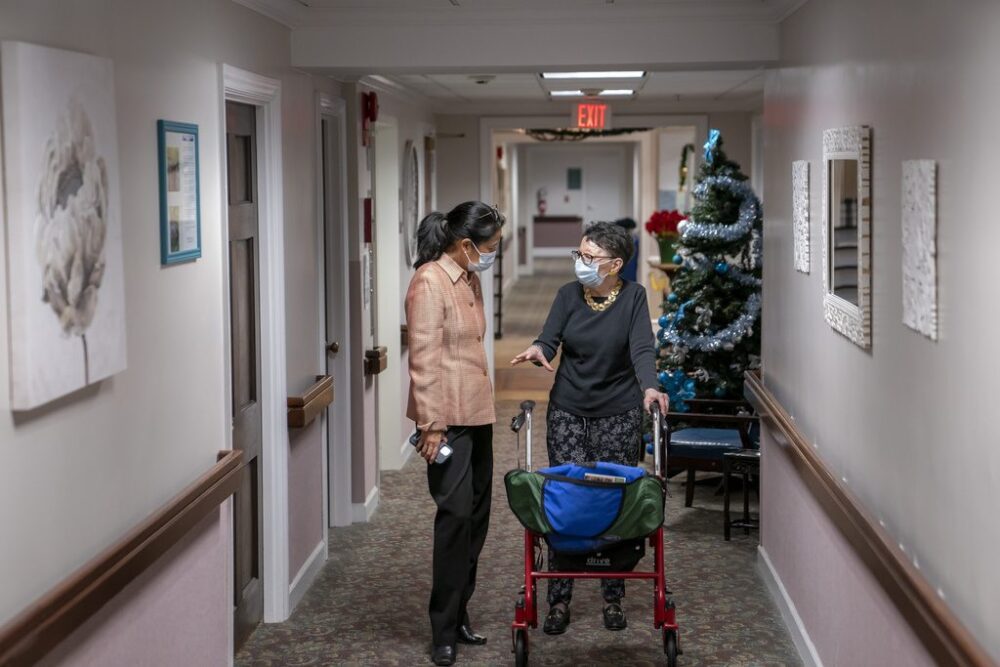
The rules issued last month establish national minimum staffing requirements for federally-funded nursing homes, enact national appointment wait time standards for Medicaid and CHIP enrollees, and more.
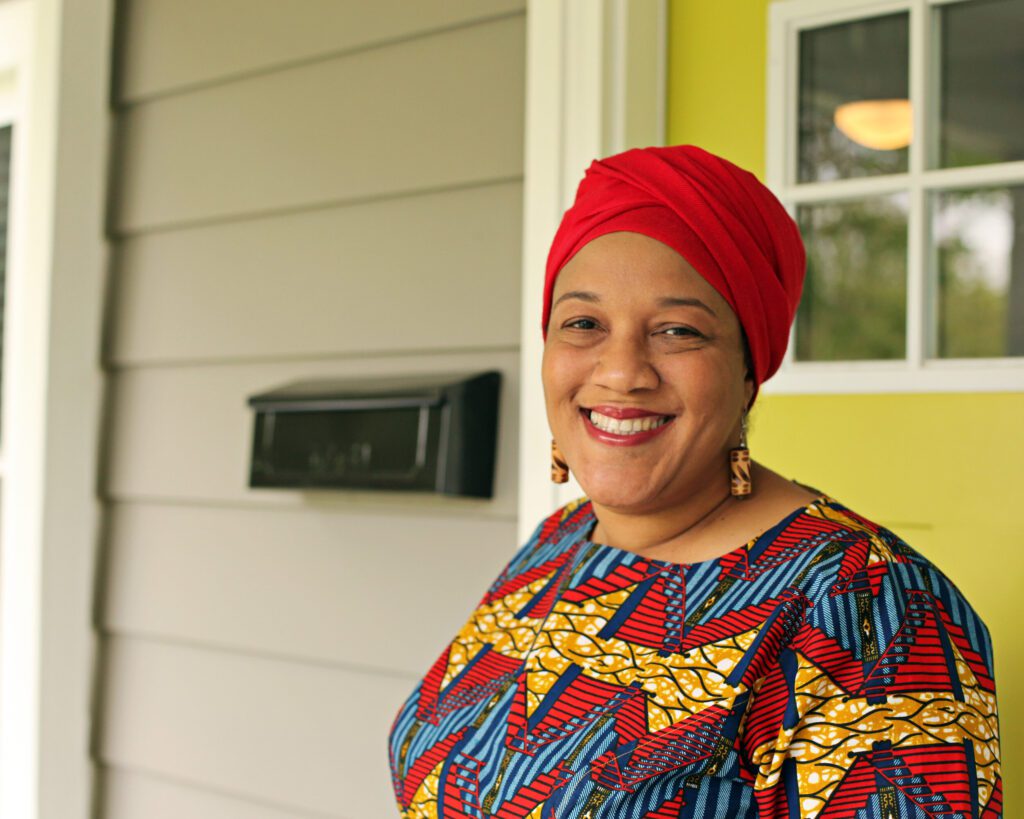
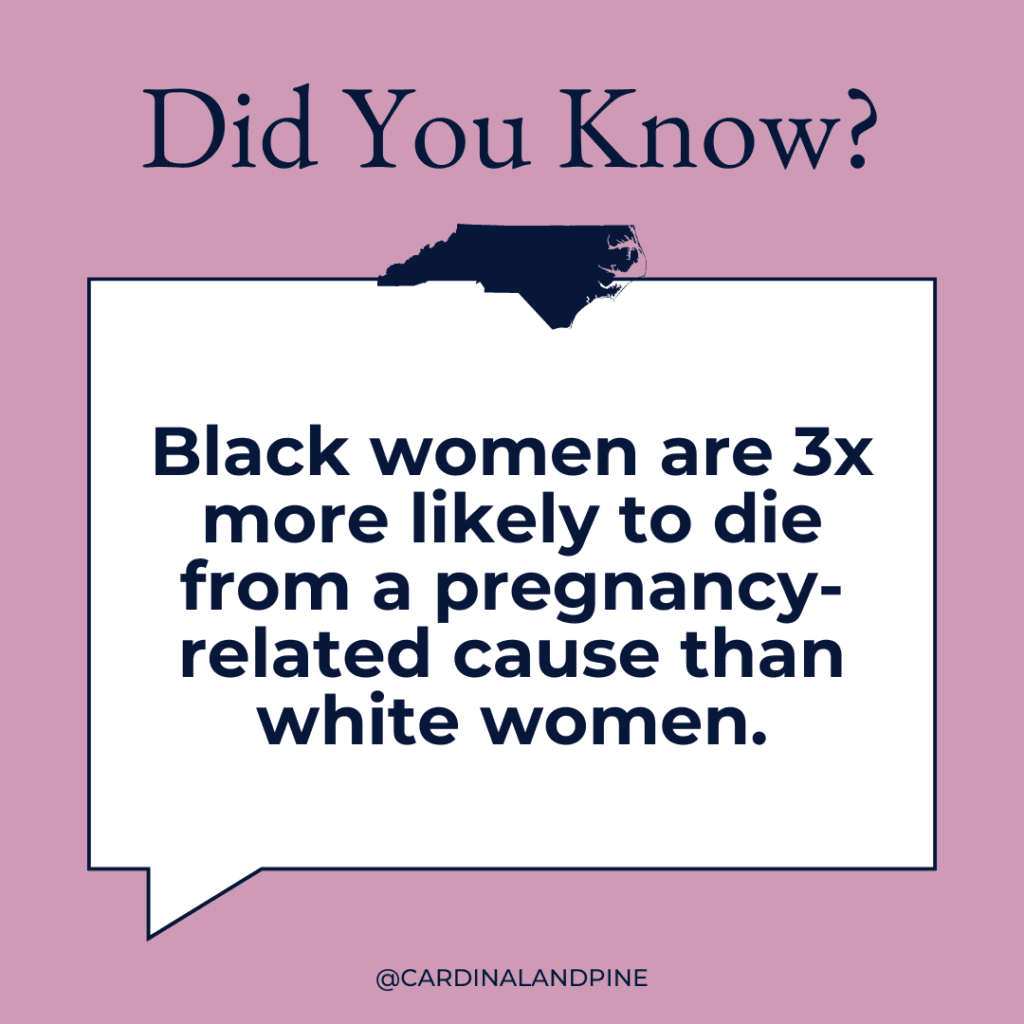
As NC’s health leaders grapple with a maternal health crisis that’s particularly impactful for Black women—who are three times more likely to die from pregnancy-related complications than white women—midwives could play a huge role.

The leaders of a groundbreaking birthing center in North Carolina on the Black maternal health crisis, what they do, and the racist roots of prejudice against midwives.
It's crucial to challenge harmful myths. One especially harmful one is the idea that Black individuals have higher pain thresholds.
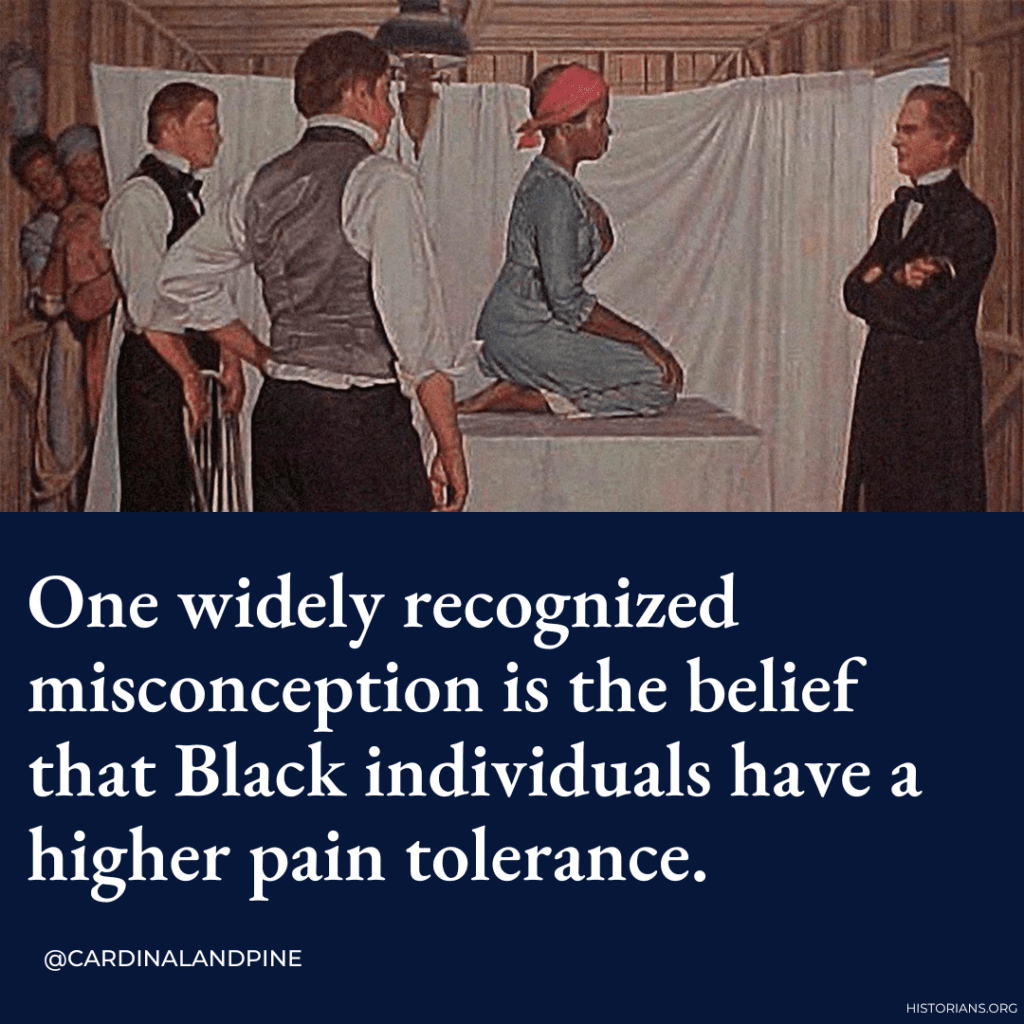
It's time to confront the harsh realities of systemic inequities in maternal healthcare. According to the Centers for Disease Control and Prevention, Black women are three times more likely than white woman to die from causes related to pregnancy. There's a lot...
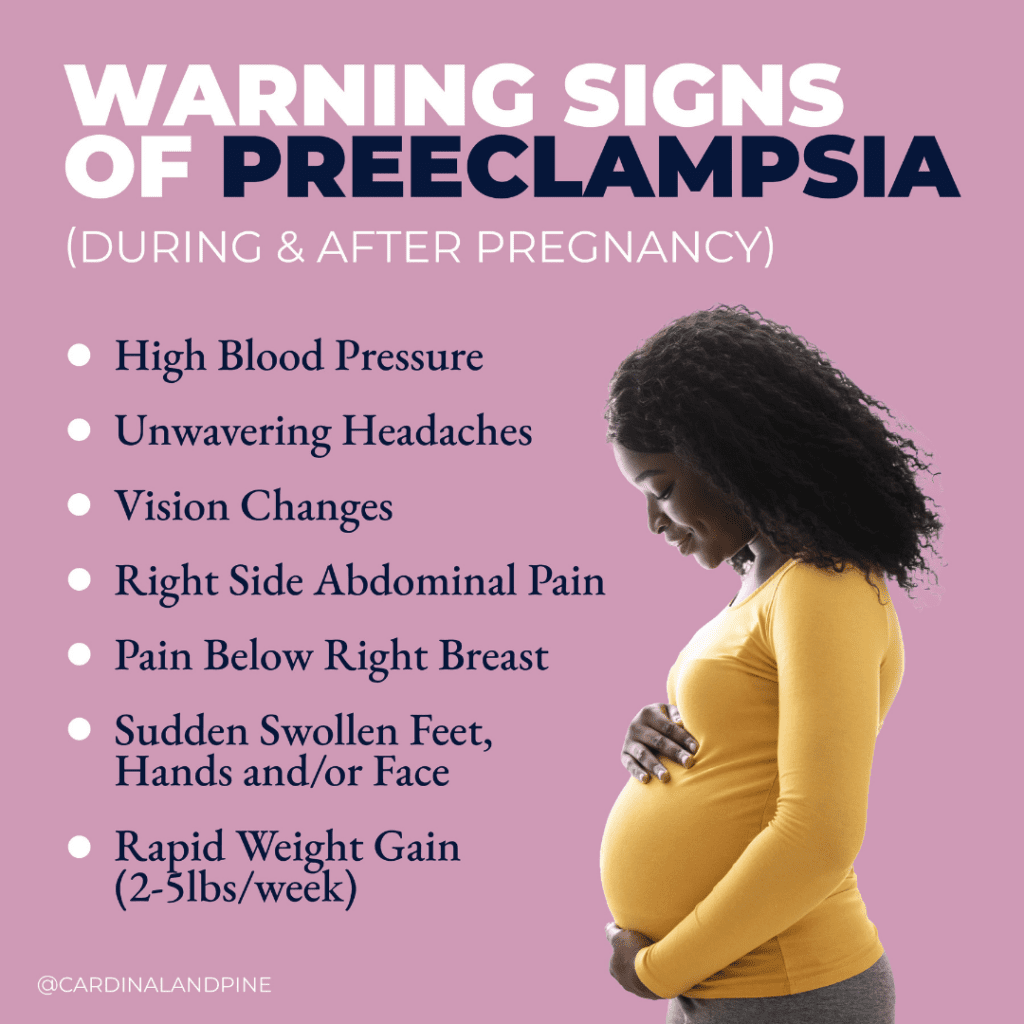
Let's confront the stark reality: too few understand the challenging experience of preeclampsia in Black maternal health.

| February 5, 2025
| January 8, 2025

| December 23, 2024
| December 17, 2024

| December 1, 2024